From battlefield to breakdown: Mental health crisis in Israeli military
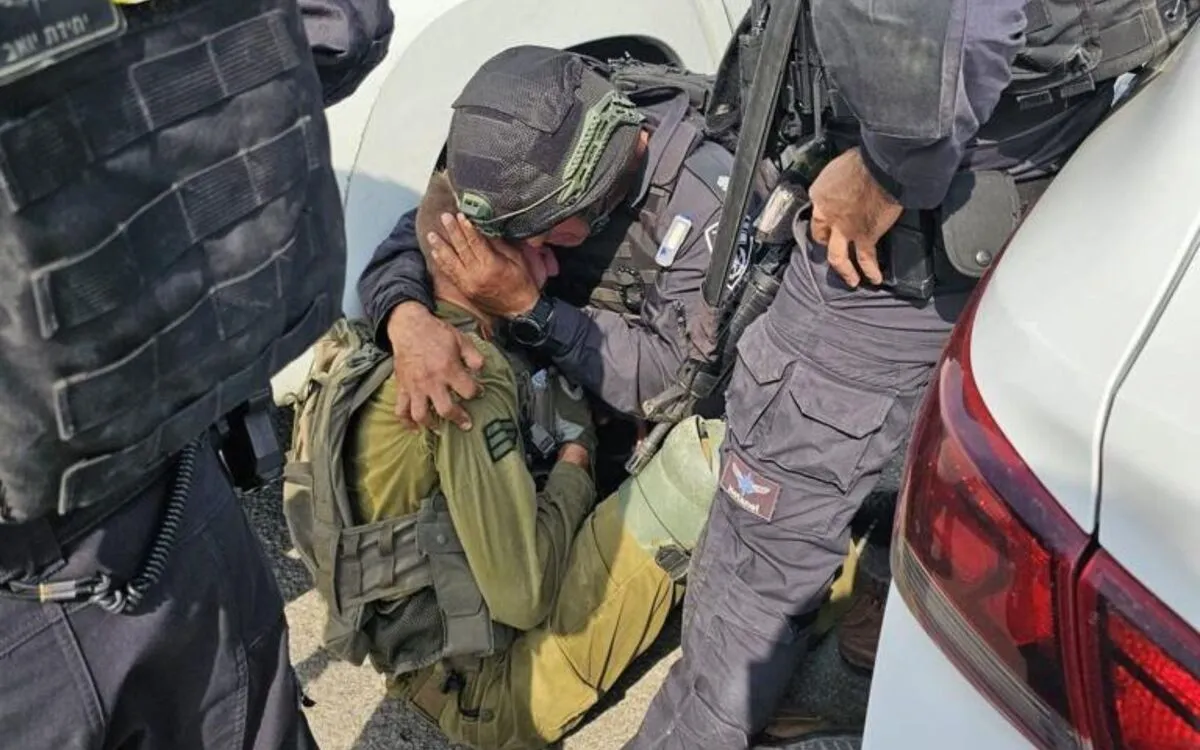
The report recounts the story of Daniel Edri, a reservist in the Israeli army, who set himself on fire in his car near the city of Safed after returning from military missions in Gaza and Lebanon.
Haunted by the images of burned corpses, Edri could no longer bear the trauma. His act of self-immolation symbolized the transformation from executioner to victim, and the flames not only ended his suffering but also burned away the official justifications for a war that left soldiers committing daily killings—and later abandoned them to their nightmares.
Edri’s mother said her son was destroyed from within by guilt after his military service. He was constantly haunted by the smells and images of burned flesh, dead bodies, and the wounded from the battlefields.
According to InsideOver, in the final days before his suicide, Edri pleaded for psychiatric hospitalization due to insomnia and intrusive war memories. However, he was told he would have to wait a long time for treatment.
From November 2023 to November 2024, Edri was responsible for transporting the bodies of his fallen comrades—a duty that plunged him into unending psychological torment. In a message to a friend, he wrote: “My brain is falling apart. I’ve become a threat. I’m a ticking bomb.”
Despite his family’s request that he be buried with military honors, Israel’s Ministry of War has not approved it. The military bureaucracy considers post-discharge suicide a disqualifying factor for ceremonial honors typically granted to soldiers killed in combat.
The report adds that suicide rates among Israeli soldiers have sharply risen. In 2023–2024, there were 38 suicides, 28 of which occurred after the war on Gaza began—compared to 14 suicides in 2022 and 11 in 2021.
The mass mobilization of 300,000 reservists exposed them to extreme violence and psychological pressure in Gaza and along the Lebanese border. Now, the Israeli army is grappling with the consequences of pushing its forces beyond their mental limits.
Official statistics show that suicide is now the second leading cause of death among Israeli military personnel. Of the 558 soldier deaths in 2023, 512 were during operations, and 17 were suicides. In 2024, 295 out of 363 deaths were operational, and 21 were suicides. Since the start of the Gaza genocide, at least 11 reservists have taken their own lives due to war-related mental health issues.
The number of soldiers withdrawing from combat due to severe psychological disorders is also rising. As of January 2024, around 1,600 soldiers were undergoing treatment for acute stress disorder, and 75% of veterans required psychological support.
InsideOver also reported 3,900 calls to psychological support hotlines since October 2023 and the deployment of 800 mental health professionals, but families and civil organizations insist that these measures are insufficient.
The report concludes with the case of Eliran Mizrahi, a reservist who developed serious mental health issues after serving in Gaza. Upon receiving a new call-up notice, he committed suicide.
His case exemplifies the dire situation. Veteran organizations such as Breaking the Silence have long criticized the lack of mental health support for discharged soldiers and the censorship of their testimonies in a society where the military holds a central role.