12-day war exposes fragility of Israel’s economy
This brief conflict served as a real test of Israel's economic resilience and brought to light critical vulnerabilities.
Recently, Israel’s finance minister confidently claimed that the Israeli economy was strong in every respect and capable of sustaining the full scope of the war effort—both on the front lines and the home front—until victory is achieved.
According to the Middle East Monitor, Israel’s direct military expenses during the war averaged $725 million per day, more than eight times its previously estimated daily defense expenditure.
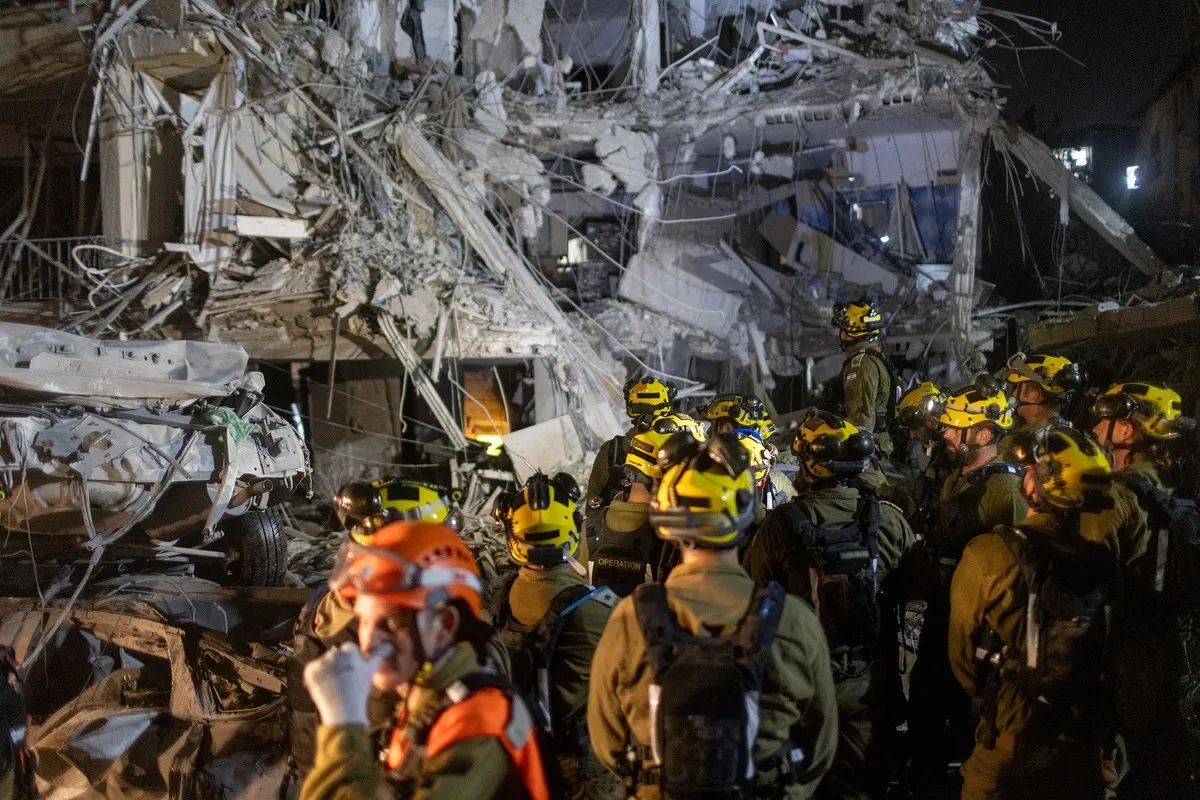
Despite this enormous cost, Israel's air defense systems failed to prevent Iran's retaliatory strikes, resulting in over $1.5 billion in direct damages, including hits to key financial and economic centers.
The Tel Aviv Stock Exchange building, a critical hub of Israel's financial market, was directly hit. Attacks also targeted research and development centers, which are central to Israel’s high-tech sector—the core of its economic engine—leading to the loss of decades of research, development, and investment.
In particular, the Weizmann Institute, known for its military-related projects, suffered the destruction of 45 laboratories. One of the targeted labs reportedly contained materials from 22 years of research.
A 12-day war causing such significant economic fallout underscores just how vulnerable and fragile Israel's economy has become.