UN Rapporteur: Israeli attacks on Iranian women and girls constitute targeted and discriminatory violence
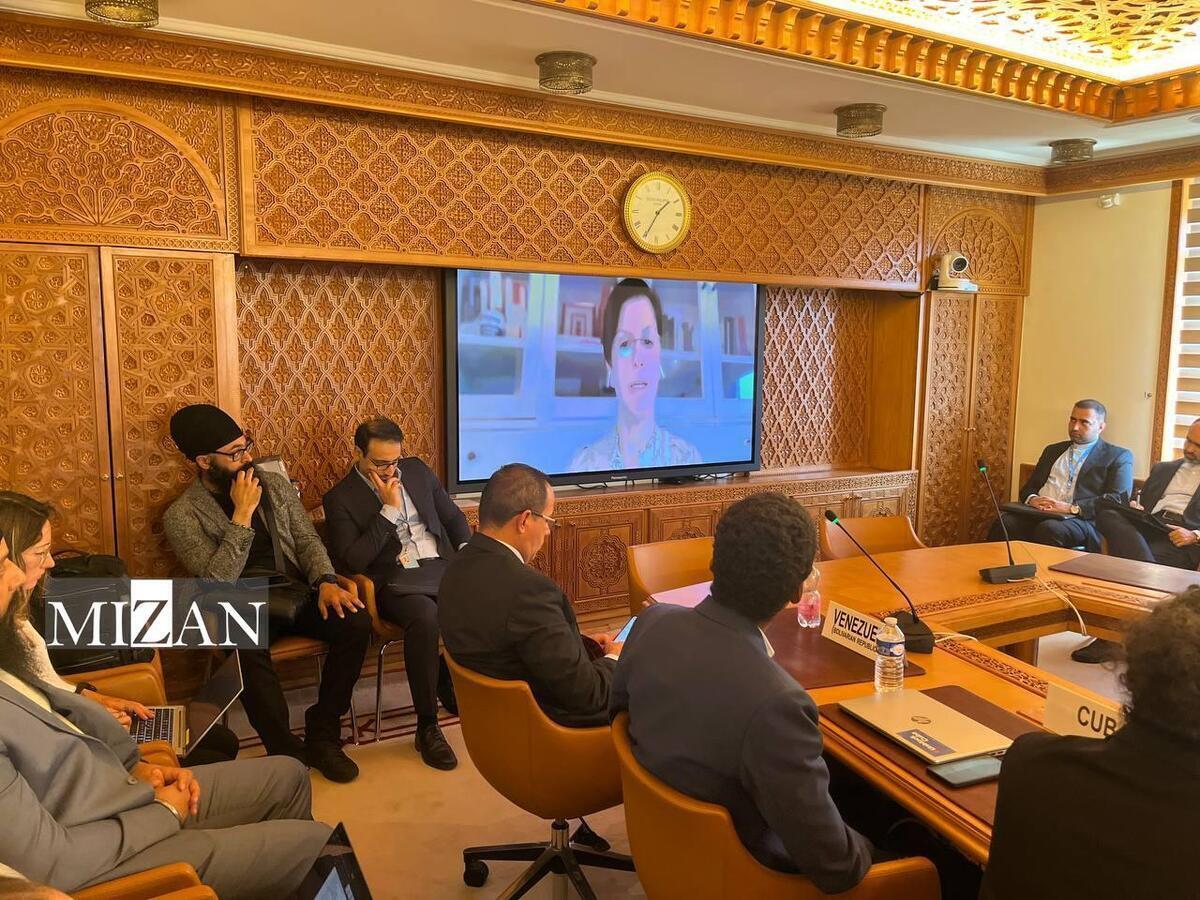
Reem Al-Salem, UN Special Rapporteur on Violence Against Women, participated in a side event hosted by Iran titled “Human Rights Impacts of the 12-Day Israeli and U.S. Attack on Iran” at the sidelines of the 60th annual session of the Human Rights Council.
She thanked Iran’s permanent mission for organizing the event and inviting her to speak, and outlined the scope and impact of Israel’s aggression on Iran, particularly its consequences for women and girls.
Al-Salem noted that Iranian colleagues present could provide more detailed statistics and analysis on the attacks’ effects on women and girls. She focused her remarks on three main points:
First: Israeli attacks against Iranian civilians, including women and girls, constitute targeted and discriminatory violence because of their Iranian identity, with serious, long-term, and gender-specific consequences.
Second: The violence and crimes endured by Iranian women and girls during the Israeli attacks are part of a broader pattern. Since October 2023, Israel has attacked at least five other countries besides occupied Palestine; in four of these, women and children, including girls, were killed indiscriminately, sometimes in large numbers.
Regarding Iran, she pointed to the Israeli Defense Minister’s statement in June 2025 claiming that “residents of Tehran will pay the price for these attacks,” which clearly indicates intent to punish civilians. Verified information from Lebanon and Iran shows that hundreds of women and girls have been killed or injured, including pregnant women, such as in the June 15, 2025 attack on Tajrish. Surviving women, particularly pregnant and breastfeeding women, have suffered specific harms.
Al-Salem emphasized that these attacks constitute clear violations of international humanitarian law and serious breaches under the Geneva Conventions, including intentional killing, disproportionate attacks, unnecessary destruction of civilian property, and causing severe suffering. They also violate obligations under UN Security Council Resolution 1325, which emphasizes protection of women and girls in conflict zones.
Third: As many colleagues have warned, the systematic genocide committed by Israel in Gaza, including the deliberate killing of thousands of Palestinian women and the perpetration of horrific crimes against them, has significantly undermined the international legal order. “What happens in Gaza does not stay in Gaza,” she noted.
Weakening international protections for civilians, particularly women and children, in conflict zones has far-reaching consequences worldwide. The normalization of mass killings of Palestinian women sets a precedent for unlawful and brutal attacks against women and girls in other countries, such as Iran, without eliciting an adequate international response. Al-Salem noted that the widespread media coverage of the genocide in Gaza has normalized violence against women and girls globally.
Al-Salem asked: “What should be done?” She emphasized that a principled, human rights-based response requires the international community to unequivocally condemn Israeli crimes against women and girls in Iran and other countries. These indiscriminate attacks must be explicitly recognized as violence against women and girls, and accountability and justice must be ensured.
She further stressed that current and future accountability mechanisms must consider the gendered impacts of these crimes. Unfortunately, international and regional judicial processes have not sufficiently applied a gender-sensitive approach, and this must change.
In conclusion, with only six weeks remaining until the 25th anniversary of UN Security Council Resolution 1325, Al-Salem urged: “If we are to remain credible in our assessments, we must seriously acknowledge the risks of ignoring Israeli crimes against women and girls in other countries.”