From Victoria to Gaza: How Australian technology fuels civilian deaths
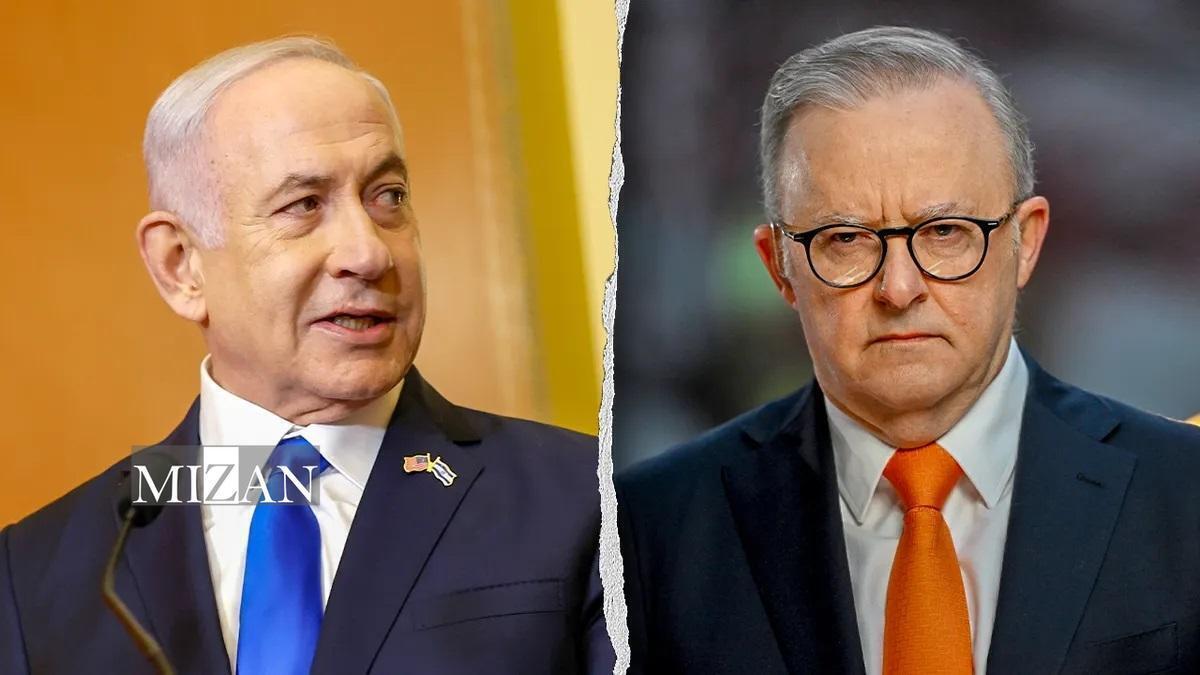
The Australian government has announced that it will recognize the State of Palestine, but many politicians and human rights groups are demanding tougher measures to end the humanitarian crisis in Gaza.
The Greens have urged Prime Minister Anthony Albanese’s government not only to impose direct sanctions on senior members of Benjamin Netanyahu’s cabinet but also to stop the supply of F-35 fighter jet parts into the global supply chain that Israel can access.
The federal government, however, denies sending weapons to the occupied territories.
Does Israel use F-35s?
Zionist military officials have confirmed that F-35 aircraft are used to strike targets in Gaza and support ground troops in close-range operations.
In February last year, a Dutch appeals court ruled that there was a clear risk that F-35s were being used in Gaza, and that Dutch-exported parts could be contributing to serious violations of international humanitarian law.
Danish media also reported last September that Israel had confirmed the use of an F-35 in a missile strike on southern Gaza that killed 90 people and wounded hundreds more.
Lawyers from the Palestinian human rights group Al-Haq told a British court that F-35 jets played a major role in Gaza, linking them to airstrikes that killed more than 400 people, including 183 children and 94 women.
What does Australia supply?
According to the Australian Department of Defence, more than 75 Australian companies are involved in the global F-35 supply chain. The Victorian state government says over 700 critical components of these jets are produced in Victoria alone.
An Australian company, RUAG, is the sole global supplier of the F-35 uplock actuator system, which allows the jet to rapidly open its bay doors, launch missiles, and remain stealthy. Australia also hosts a regional distribution center for F-35 parts.
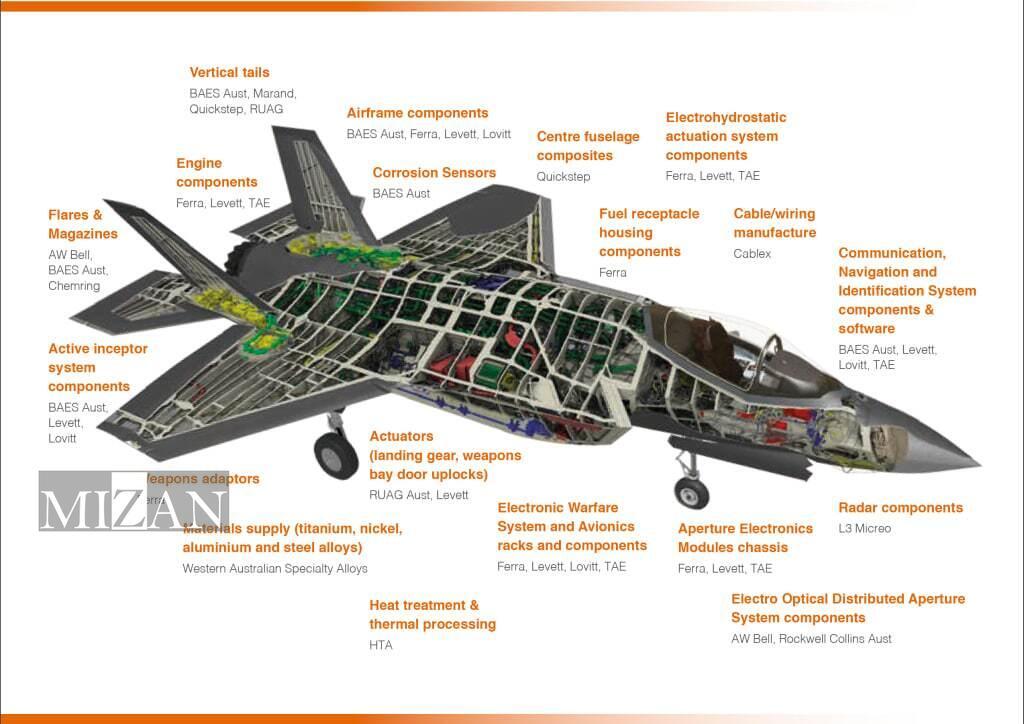
In April (Mar/Apr 2025), the Department of Defence said Australian companies had received around $5 billion for their role in the F-35 supply chain—a relatively small share of the program. The U.S. Government Accountability Office reported last year that F-35s will cost more than $2 trillion over several decades.
In total, more than 1,900 companies worldwide participate in the supply chain, coordinated by the primary contractor Lockheed Martin in the U.S. The fighter is used by the U.S. and 19 allies, including the U.K., Canada, Australia, Germany, Japan, and South Korea.
Manufacturers do not contract with specific countries like Israel; instead, they supply parts for larger batches of F-35s purchased from Lockheed Martin.
In July, Declassified reported that both civilian and military aircraft parts had been shipped from Sydney to Tel Aviv, citing transport records that listed Lockheed Martin as the source for some parts and described them as components for the F-35 Joint Strike Fighter.
An Australian government spokesperson insisted: “There is no direct bilateral agreement with Israel regarding the F-35 program.” They also claimed that Australia has not supplied weapons or ammunition to Israel during the Gaza conflict, nor in the past five years.
Would withholding parts make a difference?
It depends on the parts. Several Australian companies are the sole global suppliers of certain F-35 components. Restricting these could have significant short-term impacts on maintenance and delivery.
Lockheed Martin told a U.S. court last year that if even a relatively small supplier stopped providing titanium products, it would cause unavoidable and significant delivery delays, threatening U.S. national security and Lockheed Martin’s credibility.
Josh Paul, a former U.S. State Department official who resigned over American arms transfers to Israel, has said that if countries unite in protest against the Gaza massacres, the impact would be much greater.
What have other countries done?
So far, no country has withdrawn from the F-35 supply chain. However, some companies have made symbolic moves to limit or halt military equipment deliveries to Israel.
Germany has claimed it stopped exporting materials that could be used by Israel in its Gaza operations—but in reality, Germany remains Israel’s second-largest arms supplier after the U.S.
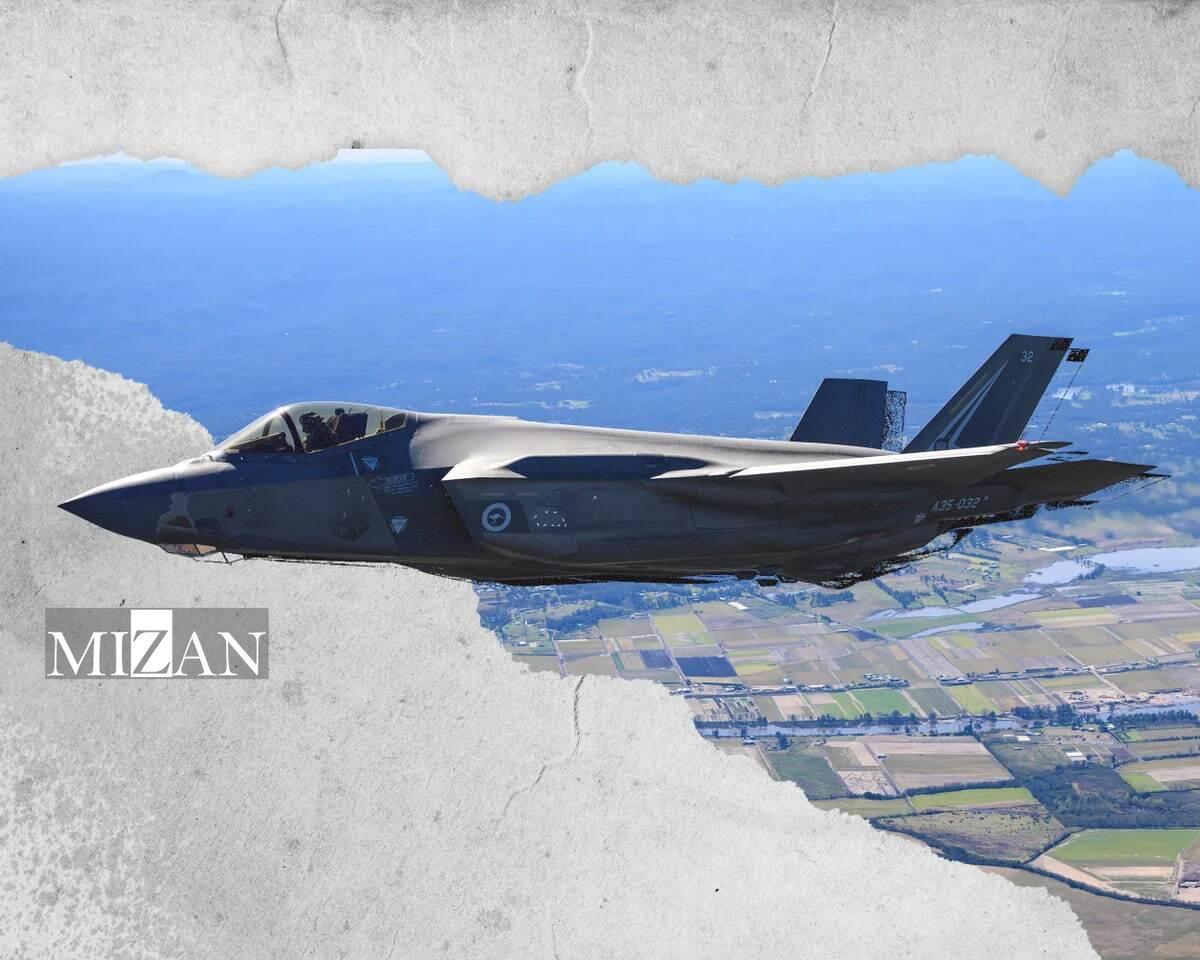
Australian Defence Minister Richard Marles has argued that Australia cannot take similar steps because it does not directly supply Israel. He emphasized that F-35 parts come from a multilateral supply chain organized by Lockheed Martin, involving multiple suppliers.
Germany’s Rheinmetall manufactures F-35 fuselages as part of the supply chain, and these contributions have not been suspended.
In September, the U.K. announced that it had suspended most arms export licenses to Israel.
What does the law say?
Under the Arms Trade Treaty, to which Australia is a party, supplying weapons to a group engaged in armed conflict, where they could be used to commit war crimes, can entail criminal liability.
In January last year, the International Court of Justice ruled that genocide in Gaza was plausible.
Australian Greens Senator David Shoebridge argues that F-35 parts qualify as weapons, meaning Australia is violating international law.
Other experts say Australia’s supply of F-35 components—used by Israel—directly facilitates war crimes.
The U.K. government itself has admitted that supplying F-35 parts for Israel’s use violates its own arms export controls. Roughly 15% of F-35 parts, including ejection seats, are made in Britain.
What do human rights groups say?
The Australian Centre for International Justice (ACIJ), an NGO, says Australia’s role in the supply chain raises serious concerns that Australian components are implicated in atrocities in Gaza.
Another rights body has criticized Australia’s lack of transparency on arms exports, making it difficult to assess the scale of its involvement in genocide and war crimes.
Human Rights Watch, along with 232 other organizations, has urged countries in the F-35 supply chain to immediately halt all arms transfers to the occupied territories.