A knife crime every 5 minutes: Inside Britain’s growing urban violence

The growing surge in knife-related crimes in recent years has posed serious challenges for the UK. Measures taken so far have failed to curb this escalating trend.
On Monday, a knife attack in London, the British capital, left two men aged 58 and 27 dead. Another man remains in life-threatening condition in hospital due to serious injuries. The Metropolitan Police stated that a man in his 30s has been arrested in connection with the incident and is currently hospitalized.
UK tops global knife crime rankings
According to Reolink, the UK ranks highest among all countries in terms of knife-related violent crimes.
The prevalence of knife crime in the UK reveals an ongoing crisis, with police recording an average of 282 knife-related incidents daily.
This equates to a Violent Crime Rate (VCR) of 8.4 incidents per 1,000 residents annually, with knife crimes accounting for 12% of all violent crimes.
A fatal stabbing occurs every 17 hours across the UK. Teenagers aged 15–19 are at the highest risk — four times more likely to be stabbed than adults aged 30–44.
Urban areas account for 78% of these incidents. Knife crimes rise by 32% on weekends compared to weekdays and increase by 28% during summer months (June to August) compared to winter.
While overall knife crimes have declined by 9% since 2021, knife crimes involving youth under 16 have risen by 14%.
Hospital data also shows that 42% of stabbing victims never report the incident to police, skewing official statistics.
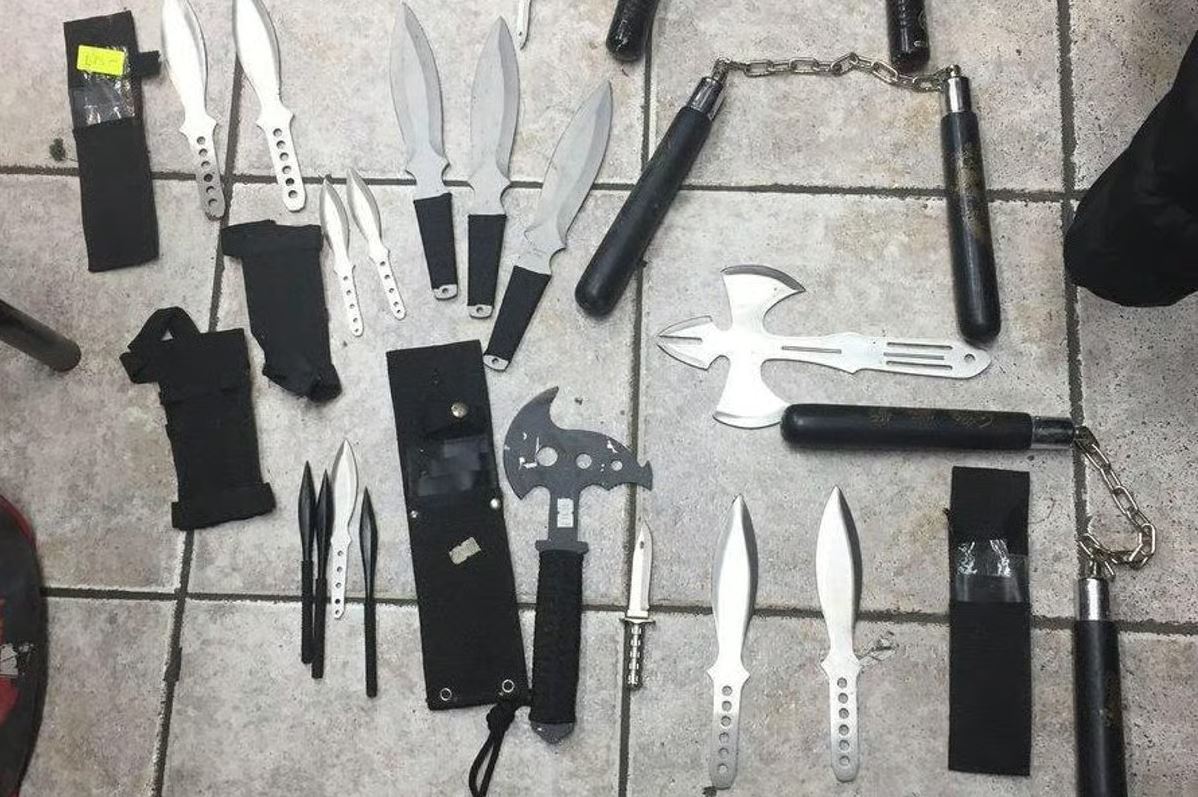
Cities most affected by knife crime in the UK
Knife violence in the UK is highly concentrated in specific urban centers. The top 10 cities with the highest rates of knife crime show alarming trends:
- London records 14,577 annual knife crimes, almost twice the national average. The capital sees about 40 stabbings per day, 3–4 of which require hospitalization.
- Manchester follows with 3,842 yearly incidents, mostly occurring in recreational zones.
- Birmingham logs 3,215 incidents per year, with police reporting increased stabbings near transportation hubs during peak hours.
- Liverpool, with 2,876 knife crimes, suffers from youth violence and gang-related repeat offenses.
- Sheffield reports 1,943 stabbings annually, often tied to turf wars between gangs. Domestic and school violence are also on the rise.
- Other cities such as Nottingham, Leeds, Bristol, Glasgow, and Leicester also suffer from the serious knife crime crisis.
The deadly knife problem in London
According to Deutsche Welle, knife crime among British youth is rising sharply.
The UK now sees over 50,000 knife attacks annually, a figure that alarms experts.
London alone records more knife-related incidents each year than the entire country of Germany.
Social media is flooded with videos of rival gang fights or lone youths wielding machetes, swords, or kitchen knives.
The ease of access to knives and widespread possession has created a dangerous cycle of weaponization and violence.
Although UK lawmakers have tried to combat knife crime through bans, harsher penalties, and police crackdowns, social workers and experts argue that tougher laws alone are not enough.
They emphasize the need for a holistic approach — a combination of enforcement and social interventions — to provide youth with alternatives to violence and crime.
Knife violence is not just a public safety issue; it is a deeply rooted social problem.
The high rate of knife crime in the UK stems from underlying social issues.
Organized crime groups increasingly exploit minors — over 12,000 children are reportedly used by gangs each year, often armed with knives.
Poverty and economic deprivation create fertile ground for violence, while policing challenges add to the complexity.
The Southport knife crime incident and its aftermath
On July 30, 2024, a deadly knife attack in Southport shocked the UK, leaving 3 children dead and over 10 others injured.
The incident led to the intentional spread of misinformation campaigns, triggering nationwide anti-immigrant unrest that targeted vulnerable communities, including migrants, ethnic minorities, and Muslims.
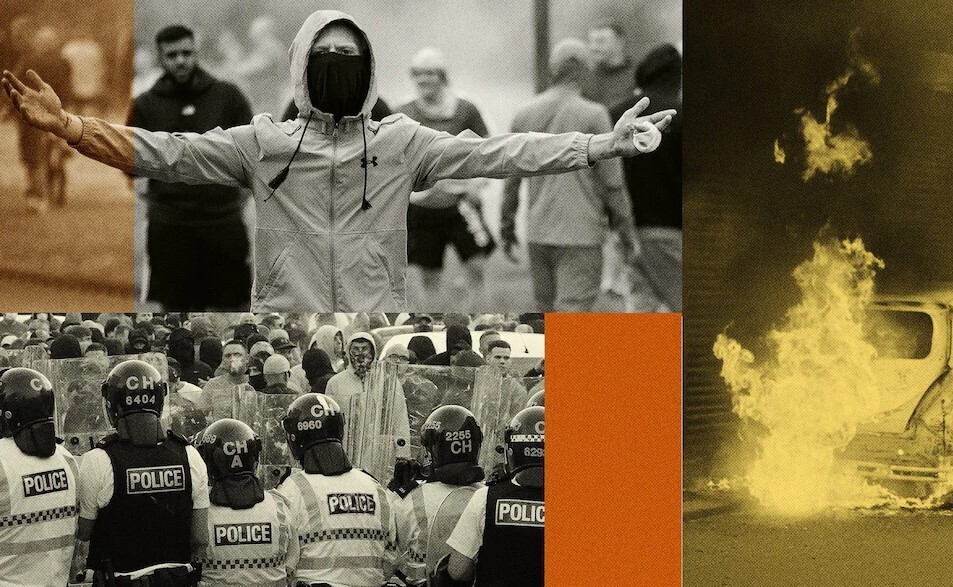
The 17-year-old perpetrator, Ruda Kubana, was sentenced to life in prison and must serve at least 52 years before parole eligibility.
The head of the public inquiry committee called the Southport stabbing “one of the most horrific crimes in UK history.”
According to Sky News, one of the surviving girls from the attack said she feels anger and grief. Describing her experience, she said she has since launched a campaign to support the victims, adding: "Carrying a knife is disgusting."
Impact of the Southport attack
A year later, the UK still reels from the far-reaching consequences of the Southport incident, as meaningful action remains absent.
The fallout extended beyond the victims and the region — affecting policing, sentencing guidelines, immigration laws, knife regulations, freedom of expression, and the right to protest.
Despite numerous statements and promises, nothing has changed, and the societal wounds remain unhealed.
Recent protests at two UK psychiatric hospitals highlight the ongoing echoes of the Southport tragedy.
Whenever misinformation spreads online before authorities can respond, or when someone is arrested over a social media post, or when a peaceful protest edges toward something more ominous — we hear the terrifying reverberations of that attack.
One major outcome of Southport was the trend of protests turning into violent unrest.
The outbreaks of public violence in late July and early August 2024 became the worst civil disturbances since the 2011 riots.
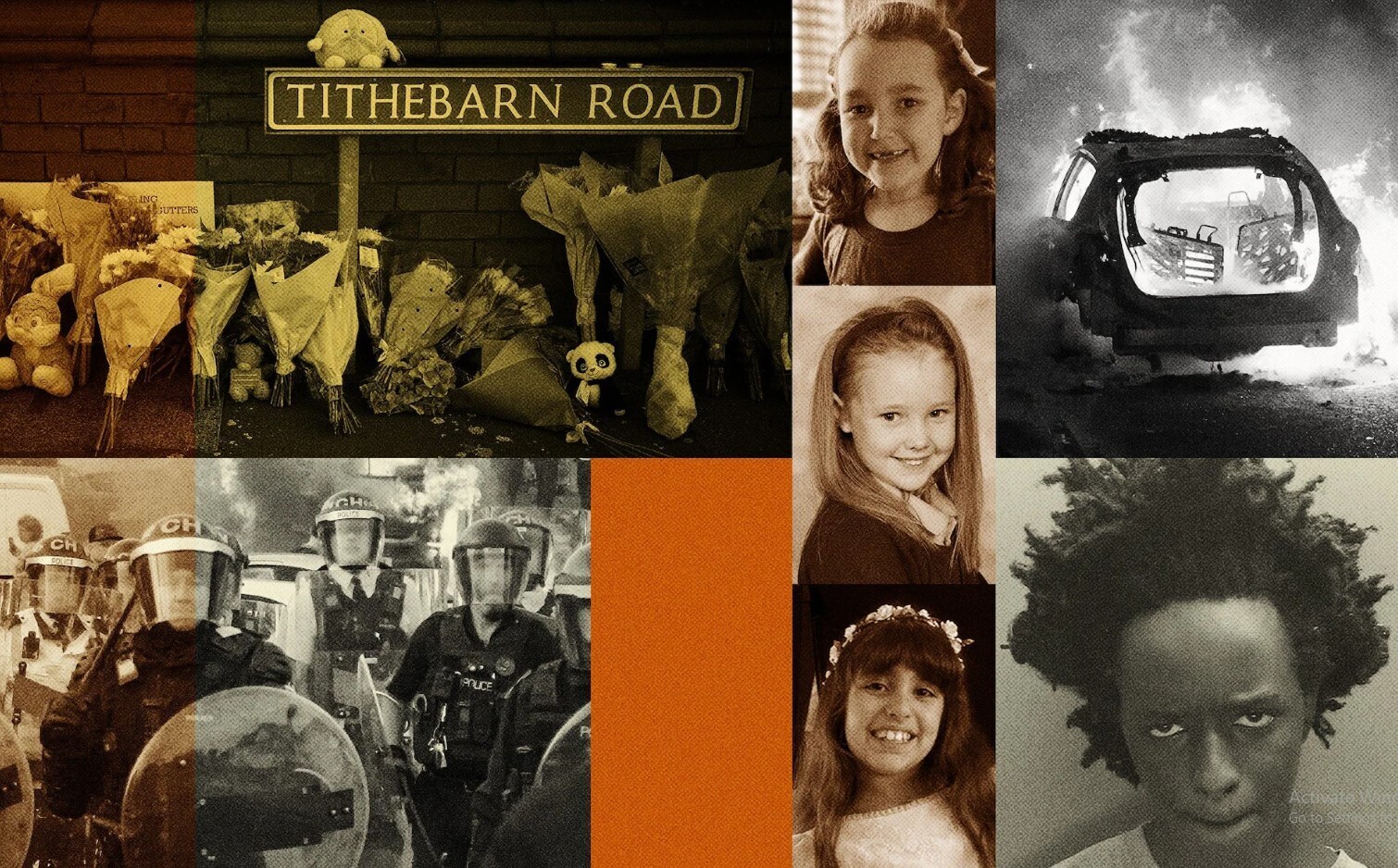
A social psychology professor at the University of Sussex argued that the Southport riots more closely resembled the 1958 race riots in Notting Hill and Nottingham than the 2011 disturbances.
The protests in response to Southport were less about traditional dissent and more akin to an assault.
Recent demonstrations in the UK have followed the Southport pattern — viral misinformation, amplified by far-right groups, leading to targeted mob actions.
The director of communications at Hope Not Hate believes the far right has become bolder since the killings, and that post-Southport protests have intensified the open expression of racist views, reinforcing everyday racism.
Concerns around knife crime, migration, public protest, and child safety didn’t begin with Southport — but the attack laid bare existing fractures in society.
No other crime in recent memory has had such a catastrophic impact on public order.