Gaza after 600 days; death, destruction, and global silence
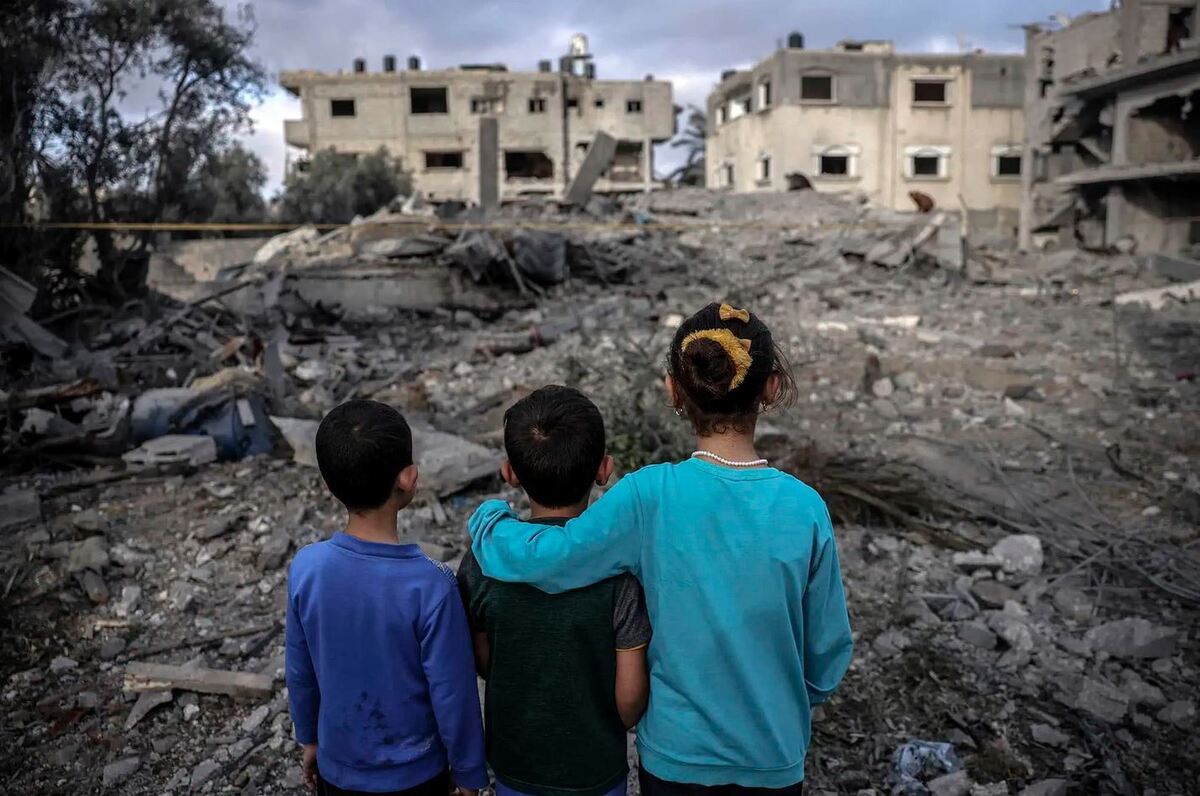
As the Gaza war reaches its 600th day, the toll on human lives, infrastructure, and the basic livelihoods of Palestinians is staggering.
On Wednesday, May 28, 2025, marking 600 days since the onset of the Israeli regime’s large-scale assault on Gaza, nearly all aspects of civilian life in the region have collapsed under relentless bombardment.
Reports indicate that the Israeli regime’s genocide in Gaza since October 2023 has led to the martyrdom of over 54,000 Palestinians and injured more than 123,000 others.
Israeli forces continue to shell residential areas across various regions even after 600 days of war.
Collapsing healthcare and food systems
Experts note that the humanitarian crisis in Gaza continues to worsen after more than 600 days. The United Nations reports that over 80% of Gaza’s agricultural land has been damaged, heightening the risk of famine.
The UN Office for the Coordination of Humanitarian Affairs (OCHA) estimates that approximately 95% of Gaza’s agricultural land is unusable. Meanwhile, only 6 out of 22 UNRWA health centers remain operational. Medical supplies are critically low, and aid groups warn that the destruction of healthcare infrastructure has made even routine care impossible.
Access to water in Gaza has dropped to less than 5 liters per person per day, far below emergency minimums, while sewage treatment plants, hospitals, and desalination facilities remain non-functional due to shortages of fuel and electricity.
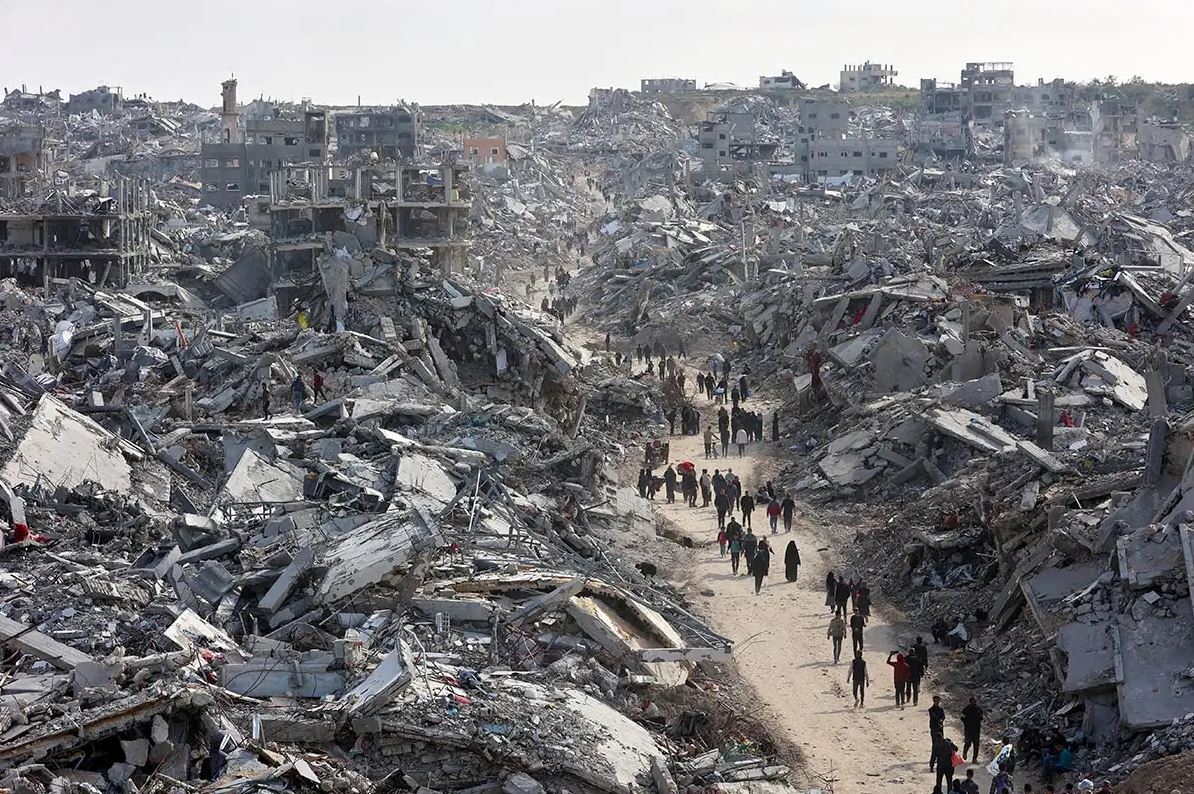
The scale of destruction is unprecedented. By January 2024, up to 62% of Gaza’s buildings were damaged or destroyed, surpassing the level of destruction seen in many war-torn regions in recent decades.
The UN estimates that 42 million tons of debris now litter the region. At the current pace, clearing and rebuilding Gaza could take 80 years and cost over $80 billion.
The war has not only destroyed homes and schools but entire cities.
Legal experts have used terms like “urbicide” and “massacre,” with a Forensic Architecture investigation concluding that the Israeli regime’s campaign was a systematic effort to destroy Gaza’s critical infrastructure.
Their 827-page report, titled Mapping Genocide, details targeted destruction as part of a deliberate military strategy.
Global outcry and legal scrutiny
The Israeli regime’s conduct in this war is under intense international legal scrutiny.
The International Criminal Court (ICC) has issued arrest warrants for Israeli Prime Minister Benjamin Netanyahu and former War Minister Yoav Gallant on charges of war crimes and crimes against humanity. The Israeli regime also faces genocide allegations at the International Court of Justice (ICJ).

According to UN data, approximately 70% of Palestinian casualties have been women and children. Gaza’s Ministry of Health reported that over 4,000 children were martyred in the first month of the war alone.
UN Secretary-General António Guterres expressed sorrow that Gaza has become a “graveyard for children.”
A study published in The Lancet suggests that the actual death toll, including those indirectly killed due to starvation, lack of healthcare, and displacement, may exceed 186,000.
Meanwhile, international aid organizations have rejected a U.S.-Israeli humanitarian plan to distribute food through centers controlled by the occupying army. Critics argue that the plan weaponizes aid, violates neutrality, and exacerbates mass displacement.
The war’s impact extends beyond the humanitarian catastrophe, shaking diplomatic foundations worldwide. At least nine countries have downgraded or severed diplomatic ties with the Israeli regime over these 600 days. Public opinion has also shifted sharply against the regime.
UN reports accuse the Israeli regime of committing war crimes, including using starvation as a weapon of war, systematically targeting medical personnel, and destroying Gaza’s healthcare system in what some legal experts describe as genocidal acts. These findings are based on over 7,000 pieces of evidence submitted to the ICC.

Human Rights Watch and Amnesty International have also accused the Israeli regime of genocide, particularly through the deliberate deprivation of Palestinians’ essential resources like water and healthcare.
In December 2024, Amnesty International stated that the Israeli regime was intentionally destroying Palestinian reproductive capacity by targeting women’s healthcare facilities.
As the war enters its 600th day, the people of Gaza face a harsh reality: there is neither safety nor significant international support. What remains is rubble, famine, and grief, while the international community continues to debate, negotiate, and watch.