Political deadlock in Washington pushes millions toward crisis
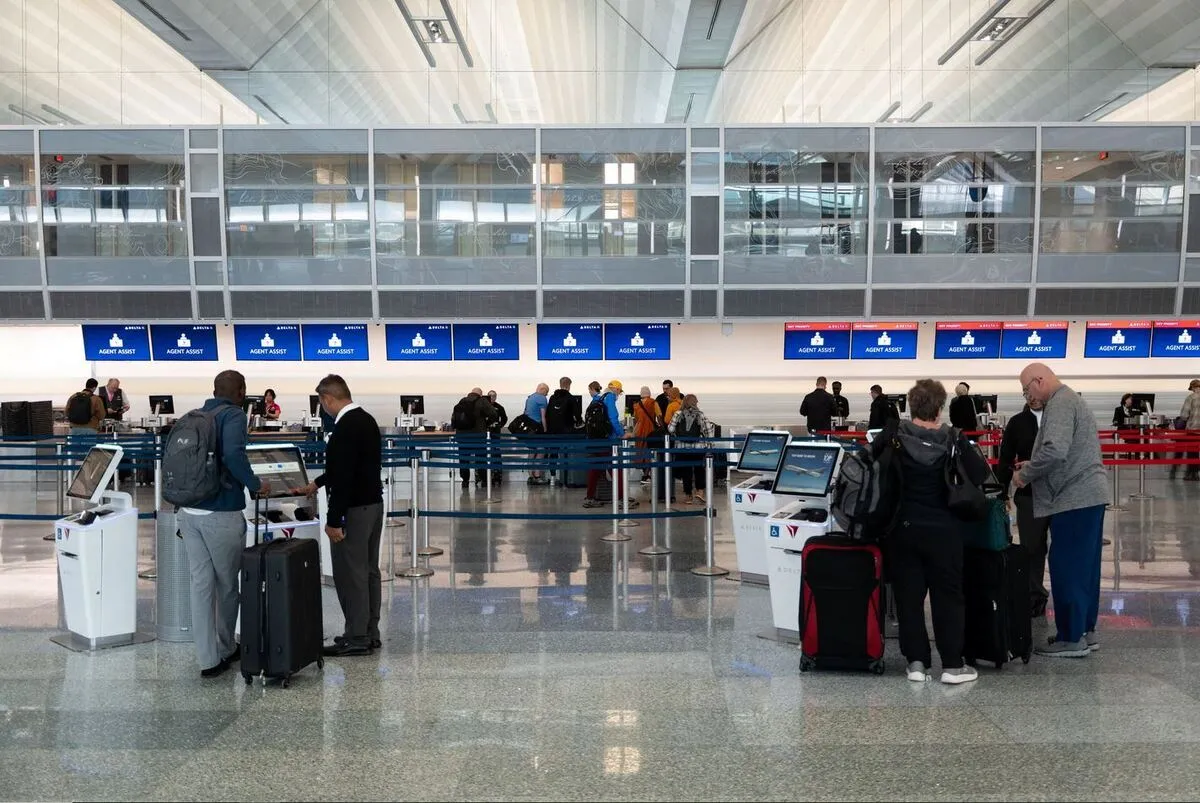
If no deal is reached soon, the shutdown will mark a major turning point—becoming the longest government shutdown in U.S. history.
From federal employees missing paychecks to the lack of key economic data hampering the Federal Reserve’s policy decisions, the impact is increasingly being felt throughout the American economy—with no end in sight.
The strain is expected to intensify, as the expiration of food stamp funding has pushed millions of Americans into food insecurity.
By Tuesday night (local time), this shutdown will officially surpass the 35-day record from December 2018 to January 2019, becoming the longest in U.S. history.
With the year-end holiday travel season fast approaching—and Thanksgiving flights already ramping up—some warn that if the shutdown continues, “a disaster is imminent.”
Those were the words of U.S. Vice President J.D. Vance, who met with executives from major American airlines earlier this week.
The Federal Aviation Administration (FAA) recently announced that nearly half of the 30 busiest U.S. airports are facing a shortage of air traffic controllers, causing flight delays nationwide.
According to the FAA, last Friday saw the most widespread absences of controllers since the shutdown began, with New York suffering the worst disruption—where up to 80% of air traffic controllers were absent.
At least 35 FAA facilities, including several major U.S. airports, have reported staffing issues. Impacted hubs include New York City, Austin, Newark, Phoenix, Washington, Nashville, Dallas, and Denver.
At some airports, flight delays have averaged an hour or more.
The shutdown has forced roughly 13,000 air traffic controllers and 50,000 Transportation Security Administration (TSA) officers to continue working without pay.