White House shuts its doors to reporters
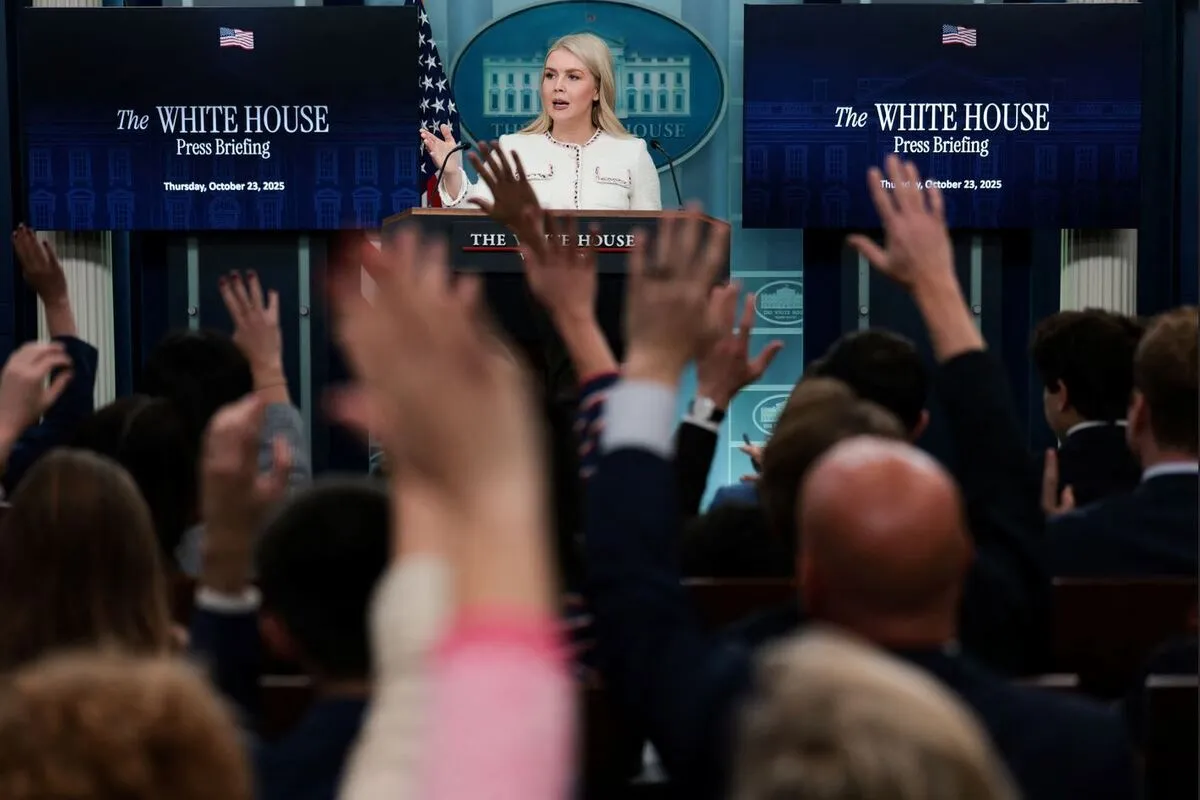
Under the new policy, reporters who do not already hold authorization to access the West Wing area—known as the “Upper Press”—are no longer permitted entry. This section houses the office of Karoline Leavitt, the White House press secretary.
Previously, accredited journalists were allowed to enter this area without prior coordination in order to speak with or question officials.
White House officials claim that some reporters recorded video or took photos of confidential meetings or information without authorization.
Steven Cheung, the White House deputy press secretary, wrote on the social media platform X that “some reporters have been wandering into restricted areas, taking pictures and videos of private meetings, and even listening in on closed-door conversations.”
The White House Correspondents’ Association (WHCA) has strongly condemned the decision, calling it an attempt to silence critical media.
Weijia Jiang, the association’s president, stated in a press release: “This move hinders questioning, transparency, and government accountability. The White House should not distance itself from the press—it should become more transparent to the public.”
This is not the first time a U.S. administration has limited its engagement with the media. A similar measure was taken during Bill Clinton’s presidency, but was later rescinded following a wave of criticism.
Analysts warn that this latest restriction could erode public trust in the government and raise concerns about press freedom in the United States.