End of the line for Prince Andrew’s royal status
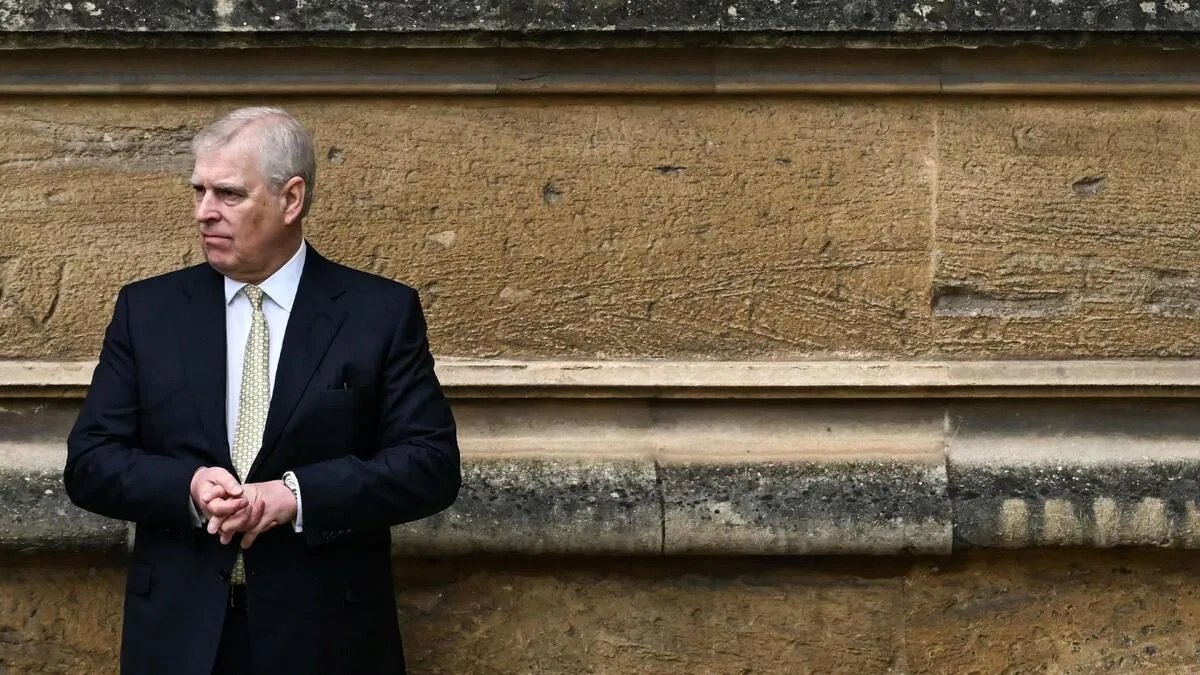
Buckingham Palace announced that Andrew, 65, the second son of the late Queen Elizabeth II and brother to the King, will no longer be permitted to use any royal titles, including that of “Duke of York.” He will henceforth be known simply as “Andrew Mountbatten-Windsor.”
Andrew has repeatedly denied allegations of sexual misconduct in the past.
According to the Associated Press, a statement from Buckingham Palace confirmed that Andrew has also been ordered to relinquish the lease on his luxurious Royal Lodge residence, located on the Windsor estate, and move to a private home in eastern England.
The palace emphasized that these decisions were made personally by the King, who has the support of other senior royals, including the Prince of Wales.
In an unusually direct statement, Buckingham Palace declared:
“These sanctions, despite Andrew’s denial of the allegations, have been deemed necessary. The King and Queen have always expressed, and will continue to express, their deepest sympathy for victims and survivors of all forms of abuse.”
The Times of London reported that Andrew had not paid any rent for the 30-room Royal Lodge in over two decades, though he had spent at least £7.5 million on renovations. These revelations have drawn intense media scrutiny of his financial situation and sparked public outrage.
In recent weeks, pressure had been mounting on Buckingham Palace to evict Prince Andrew — the late Queen’s second son — from Royal Lodge.
Earlier this month, the 65-year-old prince also announced that he would no longer use the title “Duke of York,” originally granted to him by Queen Elizabeth II, following renewed criticism over his ties to Jeffrey Epstein and accusations by Virginia Roberts Giuffre, one of Epstein’s victims.