Book Introduction: Development and Elite Management ;A new and pragmatic perspective on the role of elites in Iran’s development
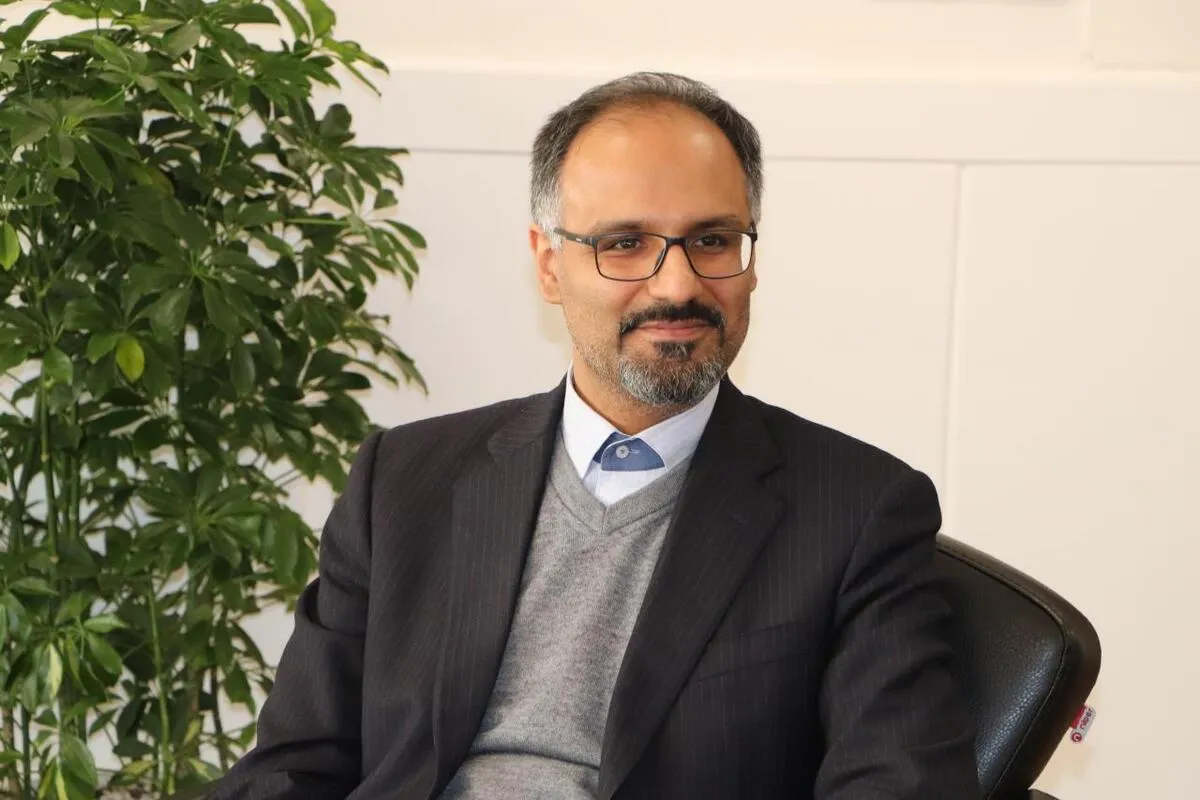
In the field of elite management and its relationship to comprehensive national development, numerous valuable works have been published. One such work is the book Development and Elite Management, authored by Dr. Meysam Kermani, a business development expert, and published earlier this year by Negarestan Pars Publishing with a foreword by Dr. Alireza Najafzadeh.
This insightful work is composed of six chapters, each focusing on the status, significance, and functions of elites in the country’s development process:
- Chapter 1 provides definitions of the concept of “elitism,” from foundational definitions to reinterpretations of its contemporary meaning.
- Chapter 2 examines the concept of “development” and its related aspects, defining “human beings” as the core of development and elites as its driving force.
- Chapter 3 addresses the challenges in the circulation of elites within Iran. This includes a realistic look at issues such as the “illusion of elitism” and the “costs of elite migration.”
- Chapter 4 explores elitism on a global scale and its relationship to development, offering examples and models from countries such as Finland, Japan, and others.
- Chapter 5 outlines national strategies for fostering and advancing elite-driven development in Iran, highlighting the role of “jihadi management” and referencing initiatives such as “brain hunting.”
- Chapter 6 concludes with motivational quotes on elitism, supported by the idea that elite management plays a critical role in development.
The core message of Development and Elite Management is that development cannot be achieved merely by building roads and factories. The country needs to cultivate dynamic and talented minds capable of steering these capacities toward a bright future.
This grand aspiration will not be realized without the intelligent recognition and management of national resources and assets. In this equation, elites should not be viewed merely as tools but embraced as living assets of society. Achieving this requires breaking away from clichés and, with a combination of realism, innovation, and pragmatism, uncovering, defining, and activating the intricate relationship between national development and elite management.