Making Iftar and Suhoor is a difficult task for Gazans these days
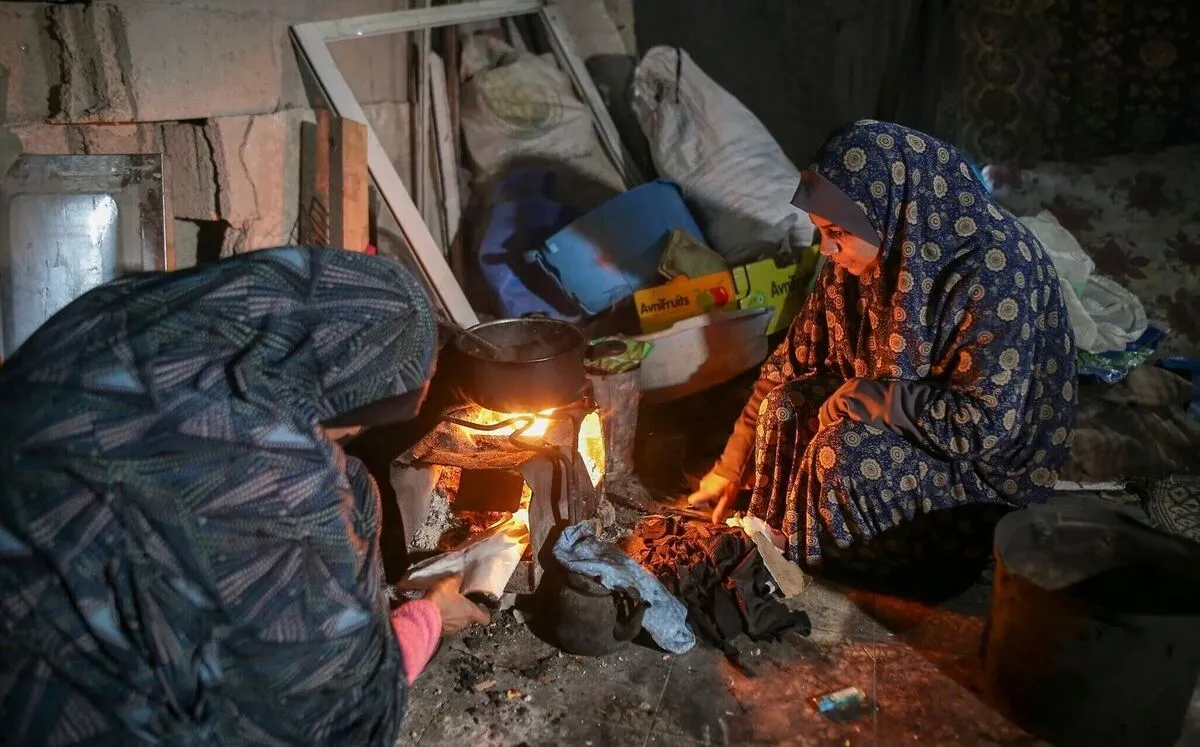
Al-Arabi Al-Jadeed News Agency reported on Tuesday on the painful conditions of the residents of Gaza during the month of Ramadan as a result of the continued displacement and shortage of food and water and electricity, and wrote: In the ruins of their homes and in dilapidated tents in the settlement centers, the displaced in Gaza are spending the holy month of Ramadan, hoping that Ramadan will be a balm for their pain and the sorrow of losing their loved ones and homes.
The report states: The residents of the Gaza Strip are in a dire situation due to the lack of water and electricity and the shortage of food, and long lines have formed in front of bakeries and water tankers, and many are struggling to get water while fasting, and many are waiting in front of charity centers to get food. In addition to countless suffering, the high cost of living is also bothering the residents of Gaza. As the weather gets dark due to the lack of electricity, there is no sighting of the residents and no regular visits to the mosques, especially since the mosques have been destroyed.
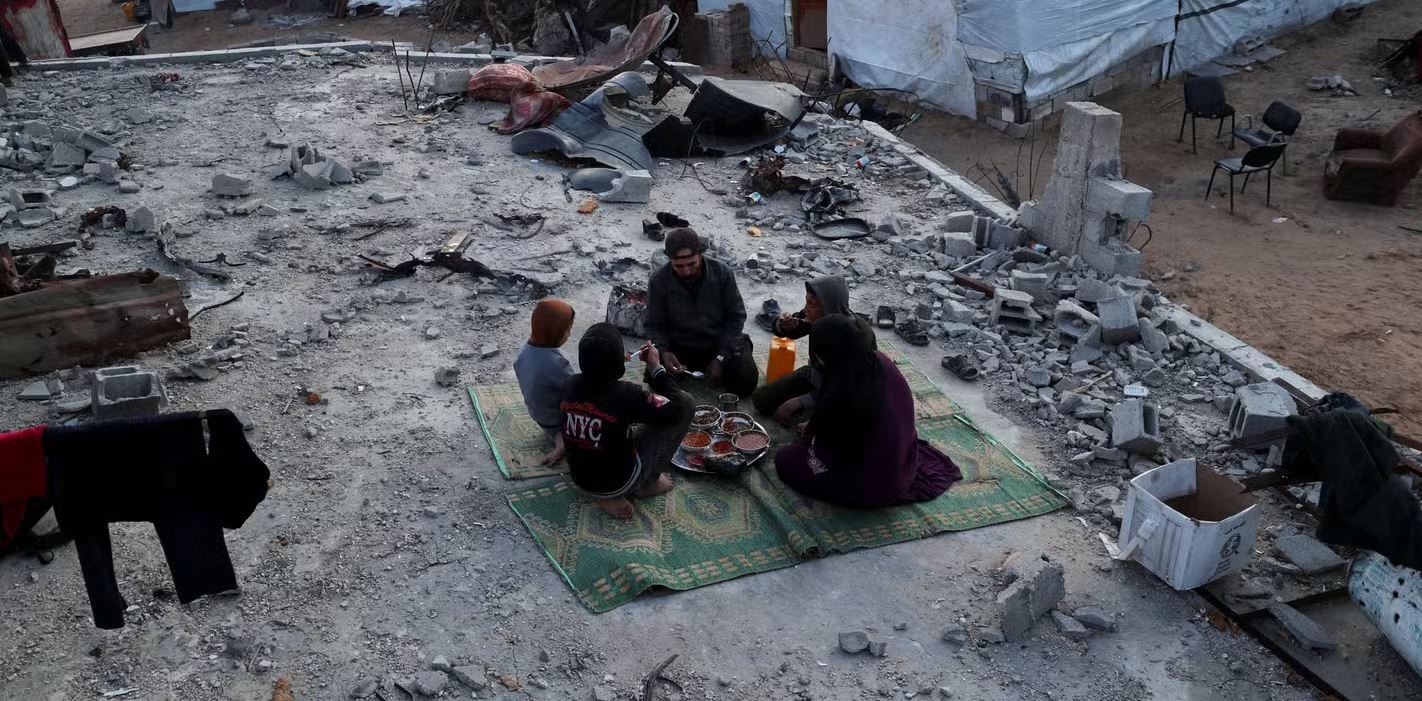
Al-Arabi Al-Jadeed reported on the hardship of "Samara Nabara", a Palestinian woman in one of the shelters in western Gaza City, who is facing great difficulty in preparing the pre-dawn meal and lighting a fire to prepare the pre-dawn meal.
This Palestinian woman woke up at 2 am to prepare a small pre-dawn meal and light a fire in front of the tent, but the cold winds did not allow her to light the fire. After twenty minutes of fruitless efforts, she turned to her fifteen-year-old son, Muhammad, to light the fire, but he was also not getting anywhere and asked his mother to stop the pre-dawn meal. However, in her last attempt, the fire was lit and Samara was able to light it, but another problem began, which was a sudden heavy rain.
She told Al-Arabi Al-Jadeed: "I couldn't go to the tent without preparing Suhoor, so I sat in front of the fire for a few minutes until I finished preparing tea, and by then the rain had soaked all my clothes."
The media outlet continued its report: "Most of the residents of Gaza do not have the opportunity to prepare iftar, and the little iftar they have, they have to eat in the dark. They talk with regret about the years before the war, when mosques were built and they would go to the mosque."
Al-Arabi Al-Jadeed continued by reporting on women who, with an hour left before the Maghrib prayer, have no food for iftar and are in difficult conditions. They are sitting inside a school in the Al-Shuja'iya neighborhood in Gaza City, hoping that someone will come and give them food."
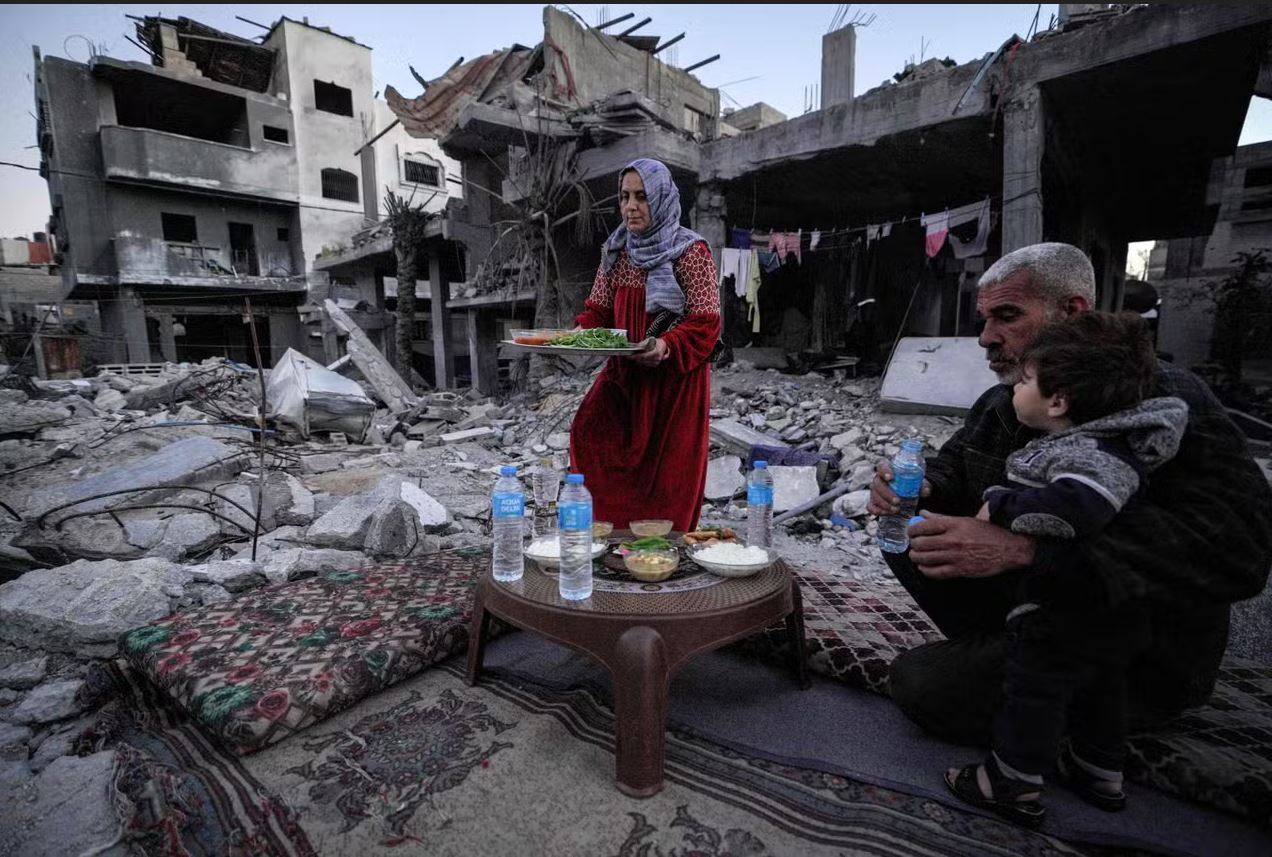
"Nana Jundiya," another Gazan woman, also said about the problems of Palestinian families: "We don't know what to do, the situation is not easy. We don't have the opportunity to prepare food, and prices in the market have skyrocketed, our men are unemployed, and we have no source of income due to the war."
Al-Arabi Al-Jadeed continues its report: The occupying army has destroyed 1,106 mosques out of a total of 1,244 mosques in Gaza during the war against Gaza. When the time for the Isha prayer arrives, the streets of Gaza are empty, unlike before the war when they were filled with joy, because people go to sleep in the dark and most families do not have the opportunity to pray in congregation in the few remaining mosques.