Gaza children's horrific accounts of occupation prisons
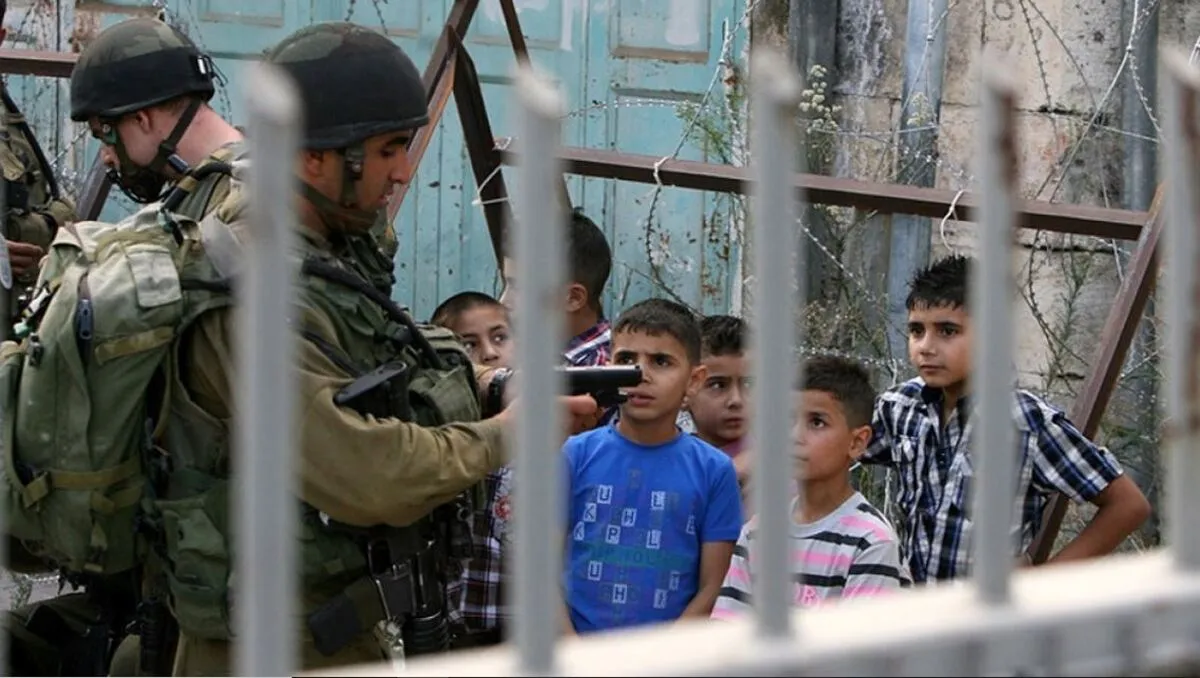
After their release in a prisoner exchange deal on Thursday, the children confirmed that they had lived in difficult conditions inside the prison, where they were beaten and humiliated and were denied any human rights.
"They fought us mentally and physically, there were four elderly men who had suffered strokes and were unable to move," Salah al-Muqid, one of the released prisoners, told Anadolu Agency.
"We slept on the floor without blankets or medical care, and the elderly were dying of hunger," he added.
The child noted that the torture was not limited to a specific age group, according to him, everyone was tortured and starved.
Torture and Death
Also, the child "Ahmad Khreis", who was arrested in January 2024 from the city of Khan Yunis in the southern Gaza Strip, recounted what he had experienced inside Israeli prisons: "The treatment was very bad and the torture was cruel, I saw with my own eyes that people died under torture."
He added: "The Israeli interrogator brought with him severed hands and fingers, which he believed was part of the intimidation of the Palestinian prisoners."
Beatings, cruelty and humiliation
Another child, "Mohammed Al-Saqa", expressed his pain and suffering in painful words: "The situation was very bad, beatings, cruelty and humiliation, I cannot describe it in words."
He added to Anadolu Agency that the Israeli occupying forces told them: Gaza has been destroyed and you will not return to it.
He continued: We thought we were born in prison; we no longer remember our lives before our arrest.
But the child "Ahmad Samar", he spoke about the cruelty of the prison guards in Megiddo and Seddi Timan prisons, saying that the occupying army forced them to always sit on their knees in a painful position.
He noted: Our legs were about to break; they were prisoners who were martyred under torture.
On Thursday evening, a number of Palestinian prisoners released from the occupation prisons, including children and women, entered the Gaza Strip through the Karam Abu Salem crossing, which is part of the first phase of the exchange and ceasefire agreement.