Britain on the verge of increasing military spending
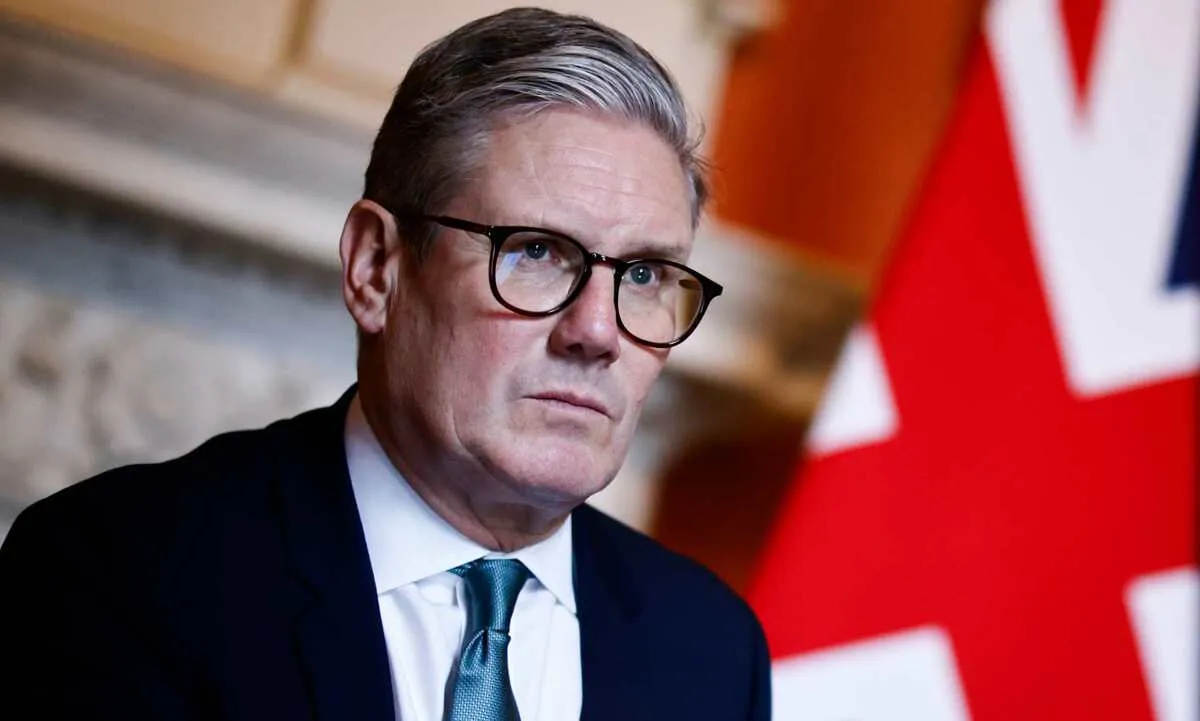
Starmer’s government has promised to increase the military budget to 2.5 percent of GDP, but pressure is now mounting to increase it to 3 percent. Britain’s Chancellor of the Exchequer Rachel Reeves has said the increase could come sooner than expected, even if it means cutting other public sector budgets. She stressed that difficult decisions must be made to protect the country’s national security.
This comes as the Conservative Party (the government’s largest political opposition party) and British military officials have also stressed the need to increase military spending. Former British Chancellor of the Exchequer Jeremy Hunt has called for an increase in the military budget to 3.2 percent of GDP, and former British Foreign Secretary James Cleverley has declared that “there is no excuse for shortfalls in this area.”
The increased pressure on Britain comes at a time when US President Donald Trump is pushing for increased military spending by NATO member states. He has repeatedly stressed that European allies should contribute more to securing the continent and has even suggested that this amount should be increased to 5 percent of GDP.
General Richard Shirreff, former NATO deputy head for Europe, has warned that if Starmer does not present a concrete plan for increasing military spending when he meets Trump, he may not be taken seriously by Washington. According to him, “Europe must prepare itself for a reduced role for the United States, and this will only be possible by increasing military spending.”
However, the increase in military spending comes at a time when the UK is facing an economic crisis and pressure on the public budget. High inflation, slowing economic growth and the challenges of Brexit have put the Starmer government under severe financial constraints. Many economists have warned that increased military spending could lead to cuts in key sectors such as health and education.
Tanmanjit Singh Desai, chairman of the British Parliament's defence committee, also warned in this regard, saying: "Increasing the military budget is a necessity, but it needs to be clear how this spending will be financed. Is it going to be taken from the taxpayer? Is there a budget cut in other sectors?"
Starmer's difficult test
The increase in the British military budget is also directly related to the process of peace talks in Ukraine and the possibility of sending European troops to the country. British Defense Secretary John Haley has announced that London is ready to play a key role in ensuring the security of Ukraine in the form of a peacekeeping force after any peace agreement.
However, Trump's recent statements about Volodymyr Zelensky and the future of Ukraine have raised concerns in Europe. Trump has previously called the Ukrainian president a “dictator” and warned that if Zelensky does not act soon, he may have no country left. The move has added to concerns among European leaders and has Britain and other European countries scrambling to prepare for a range of scenarios, including a reduced US role in the Ukraine crisis.
Britain now faces a difficult decision. On the one hand, increasing military spending could appease the US and enhance Britain’s role in securing Europe. On the other, it could exacerbate domestic economic pressures and lead to cuts to public services.
As Starmer tries to balance the two, his meeting with Trump in Washington will be a key test of the future of British defence policy. If London fails to take a clear stance on increasing military spending, its standing in international alliances could be weakened; but if financial pressures are ignored, the social and economic consequences could deepen domestic crises.