A Mossad souvenir on the shores of Sydney
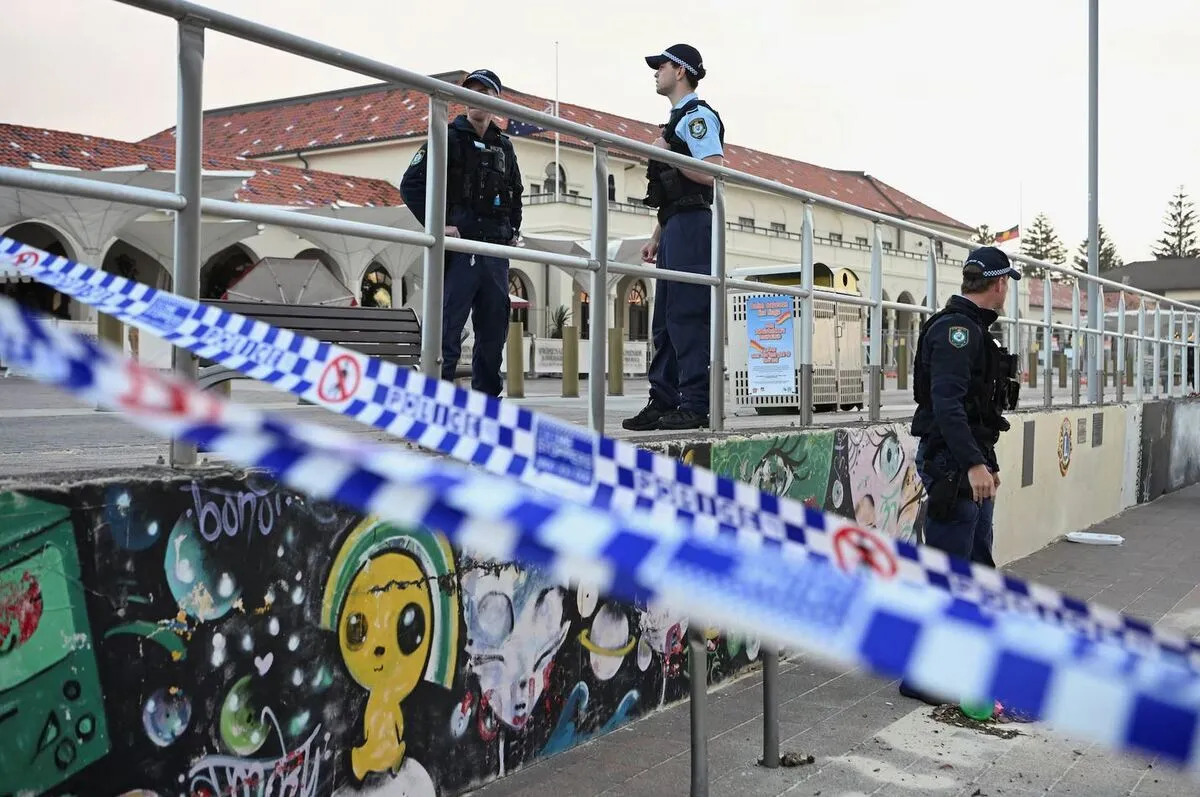
The recent incident in Sydney, which occurred during a Hanukkah celebration at a Jewish gathering, was not merely a local security event. It took place against a far more complex backdrop and amid a crisis that the Israeli regime has been grappling with internationally over the past two years. In fact, the occurrence of such an event in a peaceful country, far from the West Asian region, cannot be seen separately from global developments and the intelligence calculations of Israel—especially when signs point to full coordination between pro-Tel Aviv media and Israeli intelligence agencies following the incident.
First, it should be noted that the Israeli regime, and particularly Benjamin Netanyahu’s cabinet, is now in one of the most fragile positions in its history. The Gaza war, which is arguably the most catastrophic campaign in the regime’s history from a humanitarian and ethical perspective, has not only damaged Israel’s image globally but has also generated a wave of anger and hatred against it among Western public opinion.
From U.S. universities to European streets, anti-Zionist and pro-Palestinian freedom movements are growing daily. In such circumstances, Netanyahu was in urgent need of crafting a new narrative—a narrative that could portray Israel as the “victim” and thereby mitigate or divert some of the widespread anger. Designing a staged security incident in a Western country, which could be used to drum up sympathy, seemed like the most cost-effective option for Tel Aviv.
Second, the astonishing speed with which the media operation began after the Sydney incident speaks to the premeditated nature of the event. Even before the spent bullets had been collected from the Sydney shore, Mossad-linked sources and regime-affiliated media were pointing fingers at others.
From the very first hours after the incident, terms such as “anti-Jewish terrorism” and “organized religious hatred” were already set as headlines, almost like a pre-prepared directive. This haste is no accident; it is a signal of a continuous scenario—one that has both a “pre-incident” phase (preparing public opinion and selecting the right time and place) and a “post-incident” phase (the narrative and media exploitation). Past experience has shown that Israeli intelligence always follows this dual-phase approach: carrying out the operation on the ground and immediately shaping the image of victimhood in global perception.
Third, reports on the activities of security think tanks in Tel Aviv and Washington in the weeks leading up to the incident are particularly significant. Experts close to these centers repeatedly warned that “anti-Zionism” was rapidly evolving into a widespread social movement, and if no immediate measures were taken to contain it, Israel’s image in Western public opinion would become even darker.
During the same days, Israeli media also reported on behind-closed-doors meetings between Mossad, Shin Bet officials, and CIA representatives in Tel Aviv. Putting these pieces together, it seems the response to that “urgent warning” took shape on the quiet shores of Sydney—a response accompanied by human blood and suffering, aiming to temporarily revive sympathy for Israel through the influence of Western media.
Ultimately, the Sydney incident can be seen as a souvenir of Mossad’s efforts to reverse reality—a token intended to mask the global disgust toward Zionism. It is a desperate attempt by a regime seeking to evade responsibility for its crimes in Gaza through a dangerous performance of victimhood. Yet, as past experiences have shown, in the era of public awareness and independent media, such staged performances are short-lived and ultimately ensnare their directors.