The collapse of the mirage of immigration to the U.S.
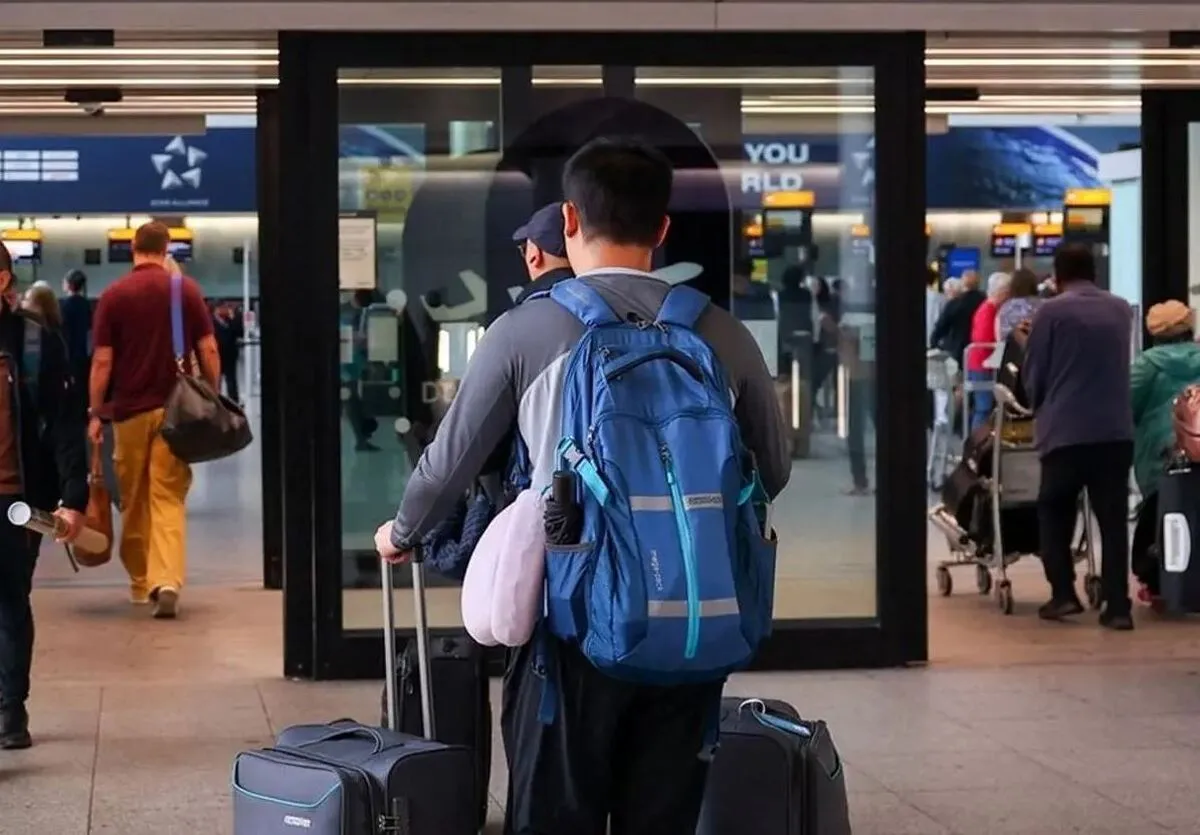
For years, a group of Iranians have pictured the United States as their dream destination—a country that, in the minds of many, symbolized freedom, opportunity, and security. Western media and anti-Iranian movements have continuously reinforced this perception, portraying migration to the U.S. as a way out of hardship and a path toward a brighter future. However, Trump’s decision to deport Iranians has shown that this image was less an external reality than a media-created mirage.
The reality is that the U.S., especially during certain political periods, has consistently adhered to selective immigration policies: admitting skilled and exploitable individuals while rejecting groups that do not fit domestic interests. In the wake of internal crises and political pressures, the country has repeatedly shifted its policies, turning yesterday’s supporters into potential threats.
For some Iranians who, trusting the “beautiful, media-crafted image” of the U.S., left behind their assets, positions, or families, the current reality is bitter: a country that presented itself in false and illusory claims as a sanctuary for suffering peoples now expels them without hesitation.
In fact, U.S. immigration policies, particularly under Trump, have repeatedly shown that the concept of “asylum” in this country is governed less by human values than by domestic political and economic calculations.
This event is not merely a political decision; it is a social warning for those still living in the dream of the West, particularly the U.S., as a paradise of freedom. For many migrants today, it has become clear that in the logic of American rulers, immigrants are only valuable as long as they can be used instrumentally; when circumstances change, they become the first victims of discriminatory policies.
This instrumental view is now understood by hundreds, if not thousands, of Iranians living in the U.S., yet it offers little relief to them. The mirage that has now collapsed was the warning that had been spoken of for years. Nevertheless, staunch defenders of the U.S. claimed that their “land of promise” had no social, legal, or human flaws and that human beings were inherently respected there.
Now, these claims have been objectively invalidated, making it evident that in the Western governance system, “immigrant,” “refugee,” and even “citizen” are not equated with “human being.” This instrumental perspective increasingly manifests itself in Western social, political, and cultural policymaking, often in disturbing ways.