Iranian migrants trapped by a madman
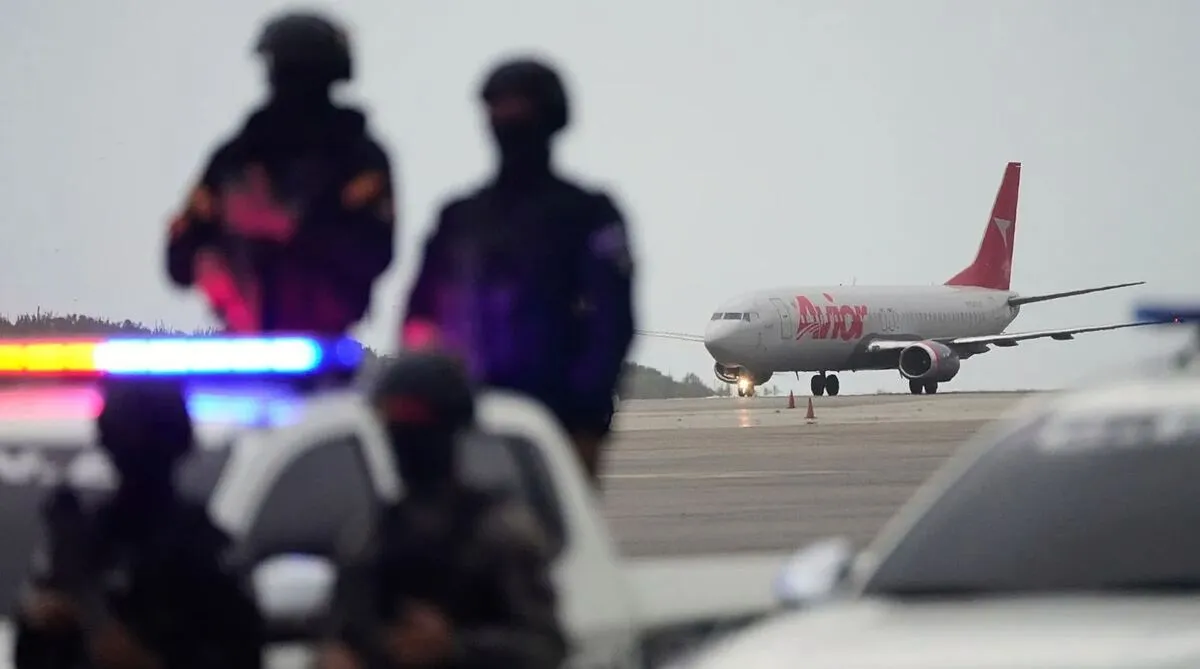
Trump’s approach to major social, immigration, foreign, and domestic policy issues has always been based on showmanship, spectacle, and the principle of “surprise.” From the very beginning of his presidency, Trump sought to present the image of an unpredictable politician—someone who breaks the usual rules of diplomacy to demonstrate personal power and embraces controversial decisions to capture public attention.
In this context, the mass deportation of Iranians can be seen as a performative act rather than a security necessity. This decision, more than being based on expert intelligence or real danger, is part of a political theater aimed at strengthening Trump’s political identity domestically, a strategy that aligns particularly well with the approach toward upcoming electoral competitions. For Trump, it seemingly matters little that many Iranians suffer as victims of emotional policymaking and impulsive decisions, as he fundamentally places no value on human dignity or humanity itself.
Trump’s behavioral contradictions become evident here: at times, he portrays himself as an anti-war, people-centered leader in speeches, yet sudden executive orders disrupt the lives of thousands of families. In reality, for Trump, people and nations are tools in a game of power. This inhumane approach is precisely what separates his decisions from legal and ethical reasoning and turns them into instruments for demonstrating personal authority.
Trump’s behavior toward migrants is an extension of a mindset that views diplomacy not as dialogue, but as a bargaining arena. He is willing to take decisions that contradict U.S. national interests, human principles, and international norms in order to display “unpredictable authority.” As a result, the foreign policy of his administration has increasingly become a stage where instability and conflict serve as tools of political legitimacy.
The recent deportation of Iranians from the U.S. is not merely an administrative event or executive decision; it is a sign of moral and legal crisis within the Western power structure. The core aspects of this event reflect a stark reality: a world in which power dominates justice and the fate of human beings depends on the will of those who treat politics as a game rather than a responsibility.
At a time when many around the world still view the U.S. as a standard-bearer of law and liberty, such actions reveal that the power system in Washington is guided more by transient political interests than ethical principles. Although this decision directly targets Iranians, its consequences will extend beyond national borders, as instability in the U.S. immigration system could further undermine global confidence in Western human rights structures.