Border tensions escalate: Thailand and Cambodia on the brink of war
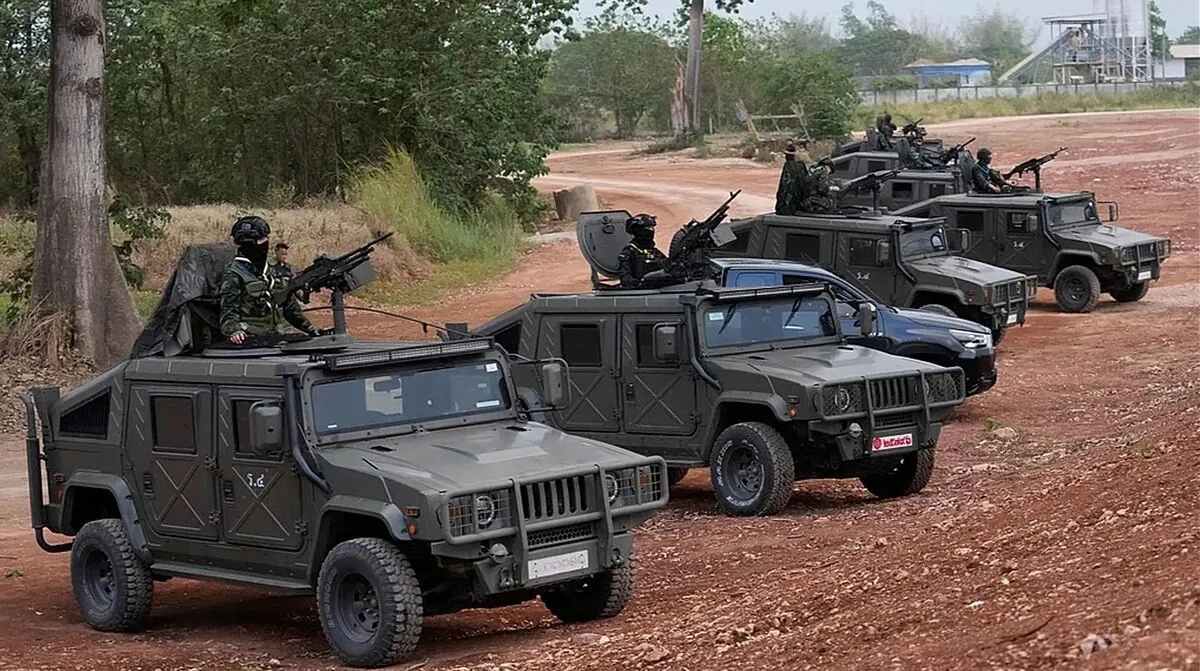
The longstanding tension between Thailand and Cambodia has returned with unprecedented intensity. Fighting reignited this week, and according to Cambodian local media, Thai military forces have advanced toward the large city of Boeung Trakun along the Poipet axis.
This city, which previously hosted two Cambodian military bases, reportedly came under Thai control in July and is once again the focal point of the frontline.
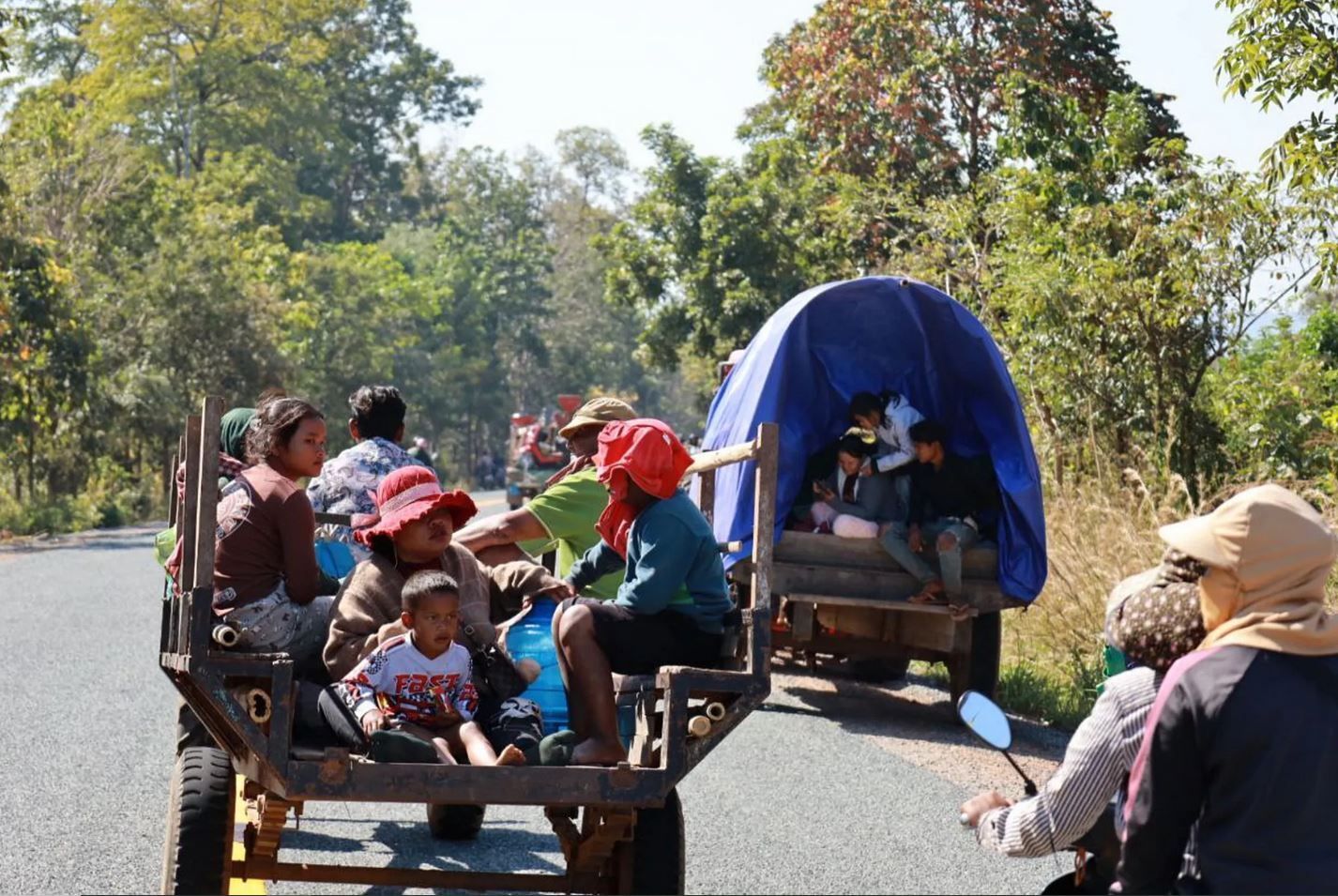
Local media reports indicate that artillery, fighter jets, tanks, and drones have turned the border areas into a full-scale battlefield once again. Over half a million residents from the border regions of both countries have sought refuge in safe centers—a staggering figure reminiscent of the worst waves of violence in the past decade.
Reports show that five Thai soldiers and seven Cambodian civilians were killed in the latest wave of clashes.
On Wednesday morning, journalists present in Cambodia’s northwestern Samrang Province heard heavy artillery explosions near ancient temples in the disputed areas—temples that have long been a source of border contention between the neighbors.
By noon, dozens of families who had taken shelter in a pagoda since Monday were forced to leave.
An unnamed police officer said, “The situation is clear; this is no longer safe. The flight of several Thai fighter jets near our area forced us to evacuate.”
Niam Puda, a 62-year-old woman from Sakaeo, Thailand, recounted that she was washing clothes when an explosion occurred near her home. She said, “I just ran… I didn’t even have time to gather my medicines. This is the second time in five months I’ve had to leave my home. I just pray for peace so I can care for my sugarcane farm again.” She is now sheltered with hundreds of other families in an emergency evacuation center.
Meanwhile, Mali Suchata, spokesperson for Cambodia’s Ministry of Defense, stated that over 101,000 Cambodian citizens had been moved to relatives’ homes or shelters. She claimed, “The Thai army has indiscriminately fired at civilian areas, schools, and especially Ta Krabi Temple, a site sacred to the Cambodian people.”
Despite Cambodia’s claims, Thailand presents a different narrative. The Thai army stated that Cambodian forces fired rockets toward Surin Province on Wednesday morning, landing near Phanom Dong Rak Hospital, a center previously targeted during the July clashes this year and in 2011. Thai forces immediately evacuated staff and critical patients.
A century-old dispute
The roots of this conflict lie in an 800-kilometer border dispute and the ownership of historic temples—issues dating back to the colonial era that have repeatedly sparked armed clashes.
The July clashes displaced over 300,000 people, and a temporary ceasefire was achieved only after mediation by the U.S., China, and Malaysia. Donald Trump, seeking to present himself as a peacemaker, also claimed at the time that his intervention helped reduce tensions.
Now, with the ceasefire broken and fighting expanding across five provinces in both countries, Trump is reportedly seeking intervention again. On Tuesday, speaking to supporters, he said, “I need to make a call tomorrow… and I think this matter will be resolved. Who can stop a war between two big countries with just one call?”
Although Cambodia welcomes mediation, Thailand has so far ruled out negotiations. Thai Foreign Ministry spokesperson Nikorn Dej Balankura stated, “After our citizens were killed, it’s not time for talks. Trust must be rebuilt first.”
Regional consequences: Even sports affected
Amid rising tensions, Cambodia has withdrawn from the Southeast Asian Games being held in Thailand. The Cambodian National Olympic Committee issued a brief statement: “Due to the serious concerns of athletes’ families and requests for their return, participation is no longer possible.”
Analysts warn that if the conflict continues, cross-border trade, tourism, and economic relations between the two countries could be severely impacted—at a time when Southeast Asia is already facing economic and climate crises.