High Council for Human Rights statement on the occasion of World Human Rights Day
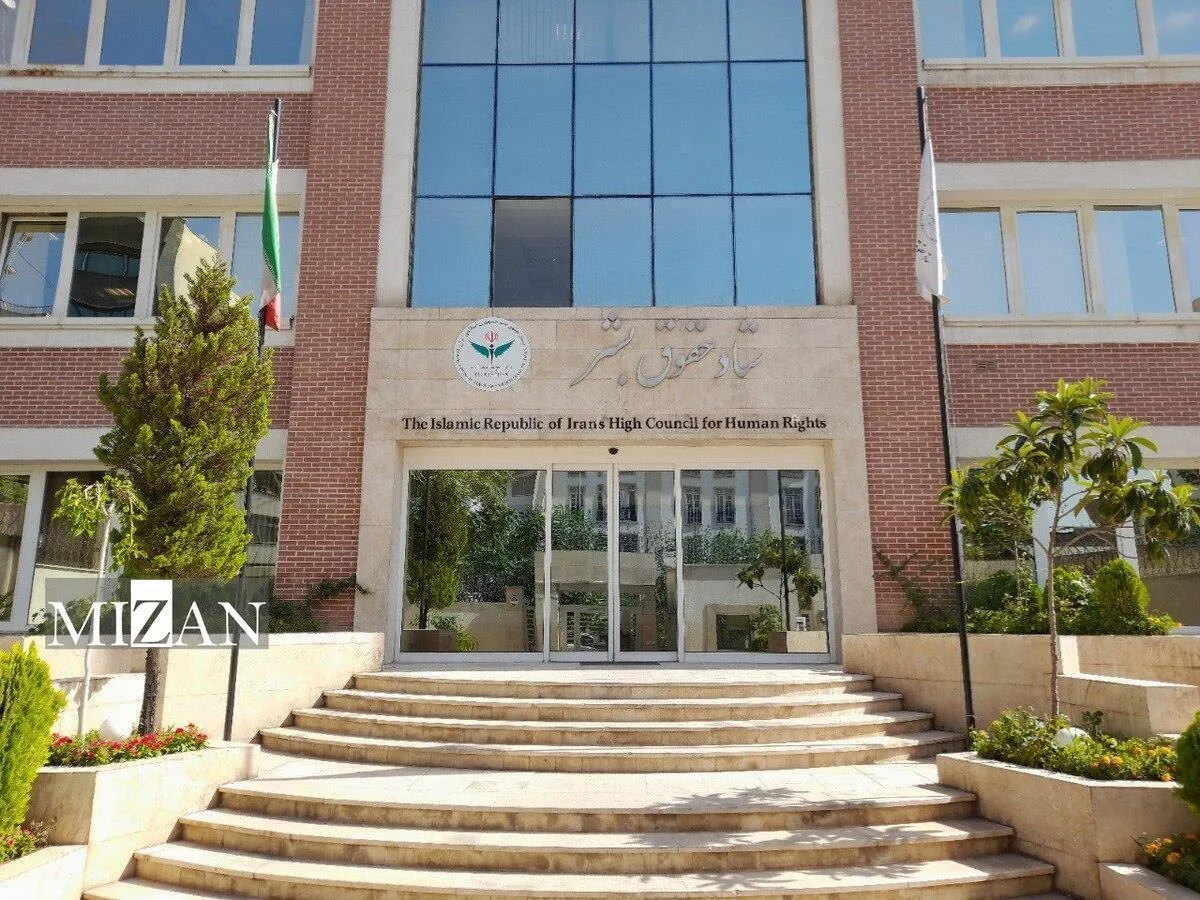
On the occasion of “World Human Rights Day,” the High Council for Human Rights of the Islamic Republic of Iran, in a statement commemorating this day, stressed the importance of setting aside political and selective approaches in human rights and returning to the real, impartial, and non-instrumental enforcement of international obligations.
The full text of the statement is as follows:
On the anniversary of the adoption of the Universal Declaration of Human Rights (1948), the High Council for Human Rights of the Islamic Republic of Iran, while commemorating this day as a reminder of shared human values, once again emphasizes the necessity for the international community to adhere to the principles and obligations enshrined in the UN Charter, international human rights covenants, and other binding international humanitarian law instruments.
At a time when the global community more than ever needs sincere, non-selective action based on shared human rights standards, the people of Iran and many oppressed nations in the region continue to face serious challenges arising from illegal actions and violations of fundamental human rights.
The High Council for Human Rights of the Islamic Republic of Iran, on the occasion of World Human Rights Day, reminds that the international community can only remain faithful to the spirit of the Universal Declaration of Human Rights when the principles of the UN Charter, the International Covenants on Civil, Political, Economic, Social, and Cultural Rights, and other binding international instruments are implemented without discrimination, instrumentalization, or double standards. This day provides an opportunity to reflect on the shared commitment of countries to the inherent equality and inalienable dignity of all human beings. However, the reality is that millions of people worldwide, including the people of Iran and Palestine, continue to be victims of policies that blatantly violate the fundamental principles of human rights, international humanitarian law, and peremptory norms of international law.
The High Council for Human Rights emphasizes that the unlawful and unilateral international sanctions imposed on the Islamic Republic of Iran—contrary to the principles of non-intervention, the prohibition of collective punishment, and the right to development—constitute clear violations of Articles 1 and 2 of the UN Charter and contradict the provisions of the International Covenant on Economic, Social, and Cultural Rights. These coercive unilateral measures, repeatedly condemned in reports by the UN High Commissioner for Human Rights and UN Special Rapporteurs, have effectively disrupted millions of Iranians’ access to medicine, medical equipment, banking services, vital resources, and essential technologies, directly affecting the right to health, welfare, education, a decent life, and even the right to life.
These measures clearly violate peremptory norms of international law and contravene the spirit of human solidarity. Accordingly, the High Council for Human Rights of the Islamic Republic of Iran calls on countries that claim to uphold human rights to abandon double standards and political approaches and to adhere to universal human rights principles.
In addition, the 12-day military attack by the U.S. and the Israeli regime against the Islamic Republic of Iran once again demonstrated that violations of international law and international humanitarian law are not merely regional issues but a direct threat to international peace and security. This attack, which lacked any legitimate justification under international law, constitutes a blatant violation of the prohibition on the use of force enshrined in Article 2(4) of the UN Charter, the principle of non-intervention in the internal affairs of states, territorial integrity, and other peremptory norms of international law. The attacks failed to distinguish between military and civilian targets, posed a direct threat to citizens in various areas of Iran, and used methods inconsistent with the principles of proportionality, military necessity, and the prohibition of indiscriminate attacks, in violation of the 1949 Geneva Conventions and their 1977 Additional Protocols, constituting severe breaches of international humanitarian law. The High Council for Human Rights emphasizes the necessity of holding the perpetrators of these attacks accountable.
Meanwhile, the ongoing and systematic violation of the rights of the Palestinian people remains one of the largest contemporary human rights crises. The continuation of occupation, settlement expansion, property destruction, mass arrests, denial of self-determination, and the illegal blockade of the Gaza Strip—which international bodies recognize as “collective punishment”—all constitute explicit violations of peremptory international law norms and the Fourth Geneva Convention. Deliberate obstruction of humanitarian aid, targeting civilian infrastructure, and discriminatory policies continuously violate the fundamental rights of the Palestinian people, including the right to life, health, freedom, human security, and a dignified life. Silence or inaction by the international community perpetuates the impunity of Israeli perpetrators and exacerbates the humanitarian crisis.
In conclusion, the High Council for Human Rights of the Islamic Republic of Iran, while commemorating World Human Rights Day, reiterates the necessity of abandoning political and selective approaches in the human rights field and returning to the genuine, impartial, and non-instrumental implementation of international commitments. The High Council for Human Rights expresses its readiness for constructive cooperation and dialogue with international mechanisms and once again emphasizes the urgent need to end human rights violations against the Iranian people, fully lift unilateral coercive measures, end the blockade of Gaza, provide effective support for all victims of human rights and humanitarian law violations, and hold accountable the perpetrators of the U.S. and Israeli military attacks on the Islamic Republic of Iran.