Gaza buried under 68 million tons of war debris
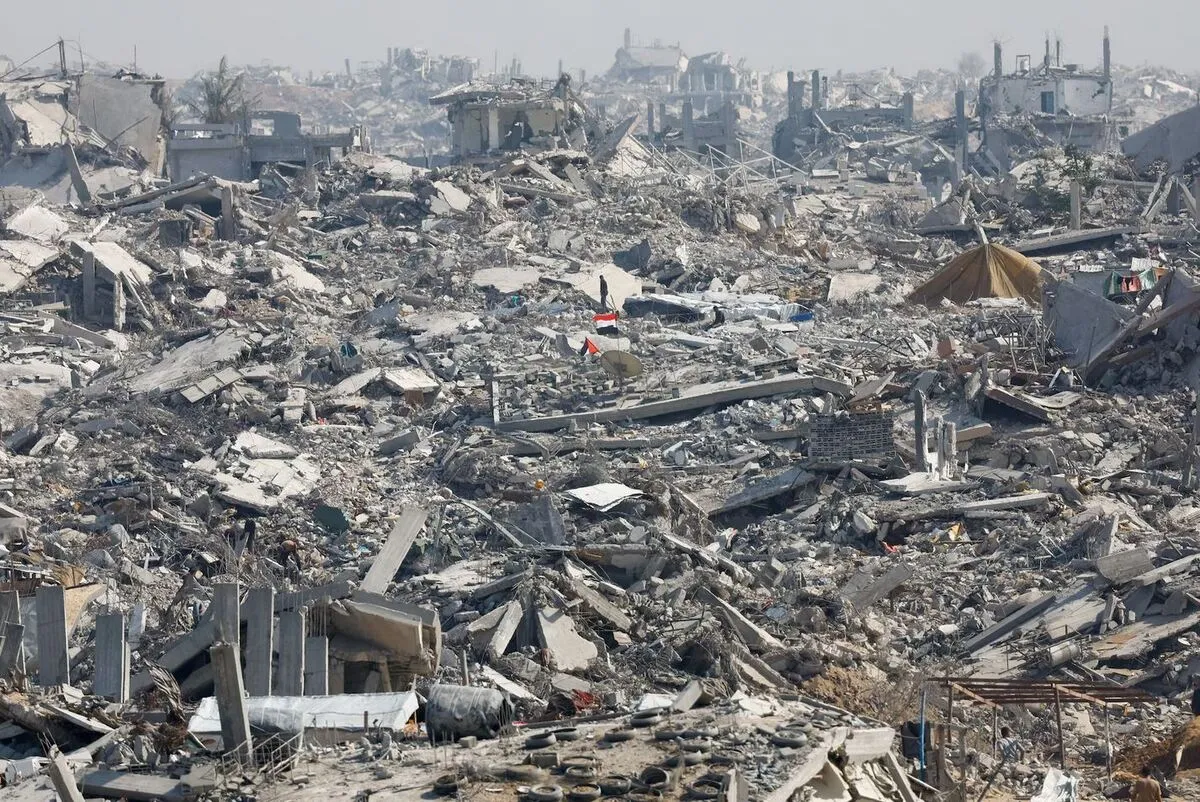
The Wall Street Journal reported that the conflict has turned large parts of Gaza into a mass of ruins, with most buildings either destroyed or damaged. The newspaper noted that “clearing the rubble to make way for reconstruction will be an enormous task expected to take years and cost over $1 billion.”
According to the report, thousands of Israeli airstrikes, ground attacks, and deliberate demolition operations have destroyed more than 123,000 buildings in Gaza and damaged another 75,000 to varying degrees. The United Nations says this accounts for 81 percent of all buildings in Gaza, based on the latest satellite imagery analysis.
The UN Development Programme estimates that this level of destruction has produced approximately 68 million tons of rubble—equivalent to the weight of roughly 186 Empire State Buildings, the 102-story commercial tower in Manhattan, New York. “If this rubble were evenly distributed across Manhattan, about 1,030 kilograms of debris would settle per square meter,” the report notes.
Among the rubble are unexploded munitions, including bombs, missiles, and artillery shells. The Palestinian Ministry of Health also reports that the remains of about 10,000 martyrs remain trapped under the debris.
Serious clearance operations will only begin once Israel allows heavy machinery, equipment for moving rubble, and tools for neutralizing unexploded ordnance into Gaza.
Meanwhile, the living conditions of over two million residents in Gaza remain dire. Most people live in tents set up in overcrowded refugee camps or amid streets filled with rubble. The onset of winter has worsened the situation, with heavy rains flooding the camps. Even after clearing begins, the process will take a long time.
5–7 years needed for rubble clearance
Jacques Silber, head of operations for the UN Development Programme in the Palestinian territories, said: “We hope this process starts as soon as possible, but it will take years… at best, it will take at least five years, and may extend to seven.”
According to the Wall Street Journal, the timeline depends on funding availability, Israel’s willingness to allow the entry of essential equipment, and the political will of both sides to maintain a ceasefire.
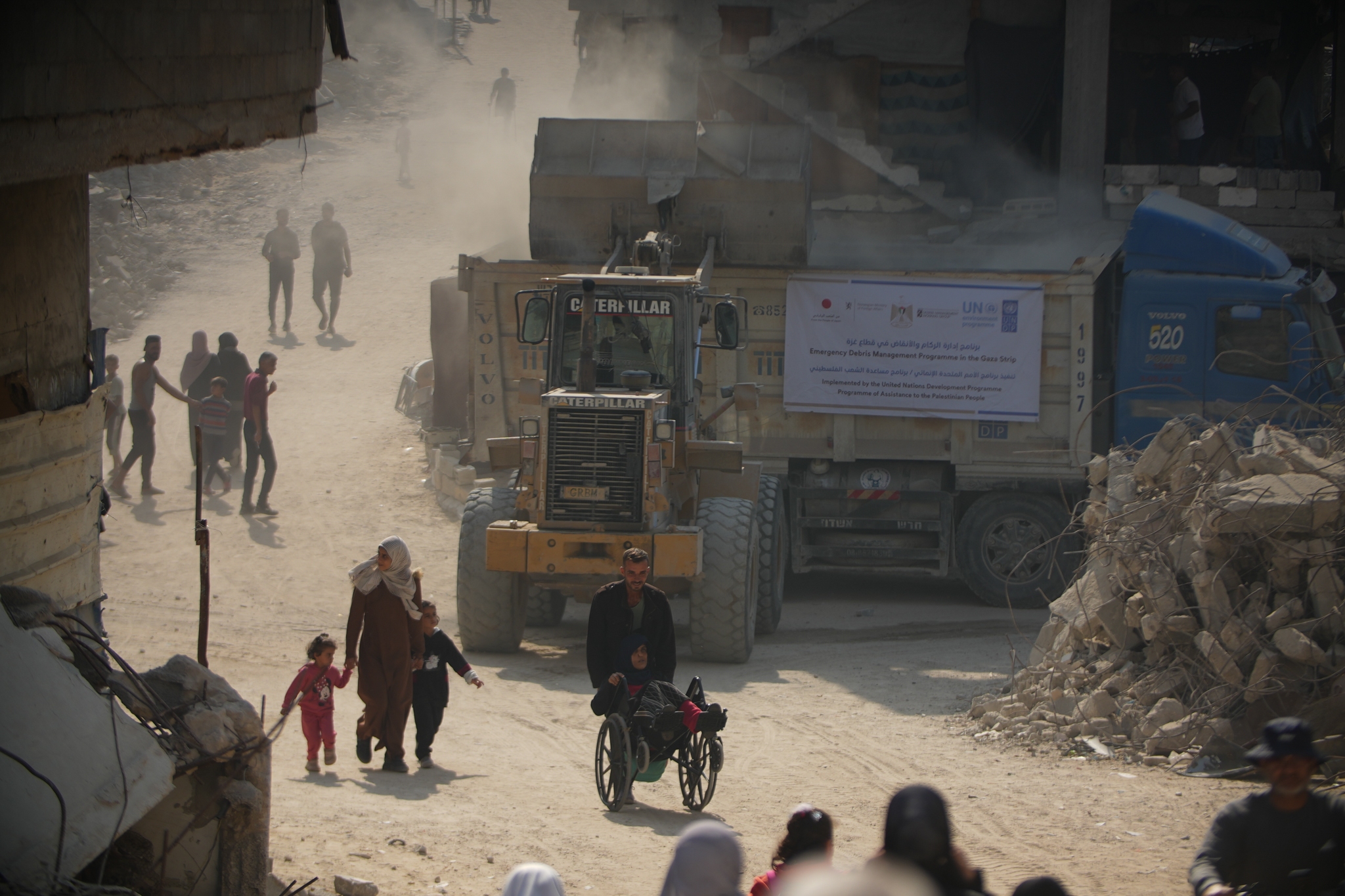
Currently, Gaza has only nine excavators, 67 forklifts with buckets, 75 dump trucks, and one crusher—the primary machine for turning rubble into usable construction materials. To achieve the UNDP’s ideal scenario, more equipment must enter Gaza.
The UN has requested that Israel allow the entry of 120 dump trucks, 80 forklifts, 20 excavators, and several additional crushers to expand operations.
Meanwhile, the U.S. hopes Persian Gulf Arab states will cover a significant portion of the $70 billion reconstruction cost for Gaza, but no agreement has yet been reached.
According to the UNDP report, limited operations to clear rubble began nearly a year ago but were repeatedly halted as fighting intensified. So far, approximately 209,000 tons of debris have been collected, recycled, or repurposed.