From detention to death: Inside Israel’s systematic abuse of Prisoners
Qassam al-Barghouti, the son of Marwan al-Barghouti—one of the prominent figures of the Palestinian resistance who is imprisoned by the Israeli regime—published a shocking account of what his father is enduring in Israeli prisons and called on the international community and human rights organizations for help.
He stated that he had received a call from a recently released prisoner who said: “Your father has been physically destroyed. His teeth have been broken, his ribs crushed, part of his ear cut off, and his fingers have been broken at different stages for amusement.”
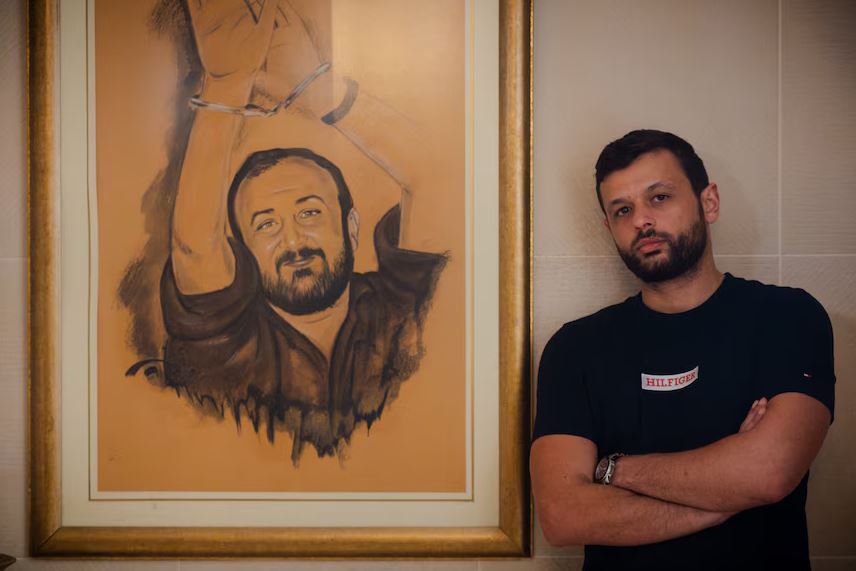
In his message, Qassam wrote in a tone filled with pain and confusion: “What should I do? Who should I speak to? Where should we seek refuge? We live with this nightmare every day. God, have mercy on us.”
He also emphasized that his father is now 66 years old and questioned how he could possibly endure such extreme pain and torture.
Meanwhile, more than 200 prominent international artistic and literary figures—including writers, actors, and musicians—have called for the release of Marwan al-Barghouti in an open letter.
Torture and humiliation: The inhumane reality of Palestinian prisoners
The situation of Marwan al-Barghouti is just one example of the conditions faced by other Palestinian prisoners in Israeli regime jails.
For Palestinians held across the Israeli prison network, torture, abuse, and humiliation have become routine and recurring experiences.
Since the start of the Gaza war in October 2023, the number of Palestinian prisoners in Israeli jails has risen sharply, reaching approximately 11,000 detainees by the end of September 2025.
This surge—largely driven by administrative detentions without charge or trial—has caused severe overcrowding in Israeli prisons. Many detainees, including pregnant women, children, and the elderly, are held without access to lawyers or family contact, constituting a clear violation of international law.
Palestinian prisoners face inhumane conditions inside Israeli prisons. These include extremely small and unsanitary cells, usually lacking proper ventilation, natural light, or adequate sleeping facilities.
Reports indicate that prisoners are confined in these cells for 23 hours a day, sleep on the floor, and suffer from conditions such as skin infections and lack of clean water. These conditions have worsened since the Gaza war, with even official inspectors describing the situation as unprecedentedly deteriorated.
Severe hunger is one of the most acute problems, as Palestinian prisoners are provided with insufficient and often spoiled food.
Systematic violence by prison guards is another grave violation committed against Palestinian detainees. This violence includes daily beatings, the use of attack dogs, and various forms of torture.
110 Palestinians martyred in Israeli torture camps
At the same time, a new report by Hebrew-language media reveals that the security policies of Itamar Ben-Gvir have turned Israeli prisons into deadly environments, with at least 110 Palestinian prisoners killed over the past three years.
The Hebrew website Walla reported that since Ben-Gvir assumed office as Israel’s Minister of National Security in December 2022, at least 110 Palestinian “security prisoners” have died in Israeli prisons. The report—titled “A Lethal Policy? 110 Security Prisoners Have Died Since Minister Ben-Gvir Took Office”—describes prison policies as a “deadly policy.”
According to Walla, these figures refer to detainees classified by Israeli authorities as “security prisoners,” meaning Palestinian fighters engaged in resistance against occupation.
While the outlet did not provide detailed causes of death, it emphasized that fatalities have increased dramatically since Ben-Gvir took office. Ben-Gvir, leader of the far-right “Jewish Power” party, has implemented brutal policies against Palestinian prisoners over the past two years and has repeatedly emphasized cutting prison amenities and services.
Additionally, reports by outlets such as CNN and The Guardian have confirmed at least 98 deaths, citing causes including torture, medical neglect, and starvation.
In a separate report, the Israeli human rights organization B’Tselem described Israeli prisons as a “network of torture camps” and published testimonies from 55 Palestinian prisoners detailing widespread abuse and mistreatment.
Meanwhile, the Palestinian Prisoners’ Society stated that Ben-Gvir is seriously continuing efforts to destroy and crush Palestinian prisoners and called for international investigations.
A former prison guard, in an interview with Walla, said that prisoner deaths “occur routinely” and that prison commanders themselves participate in the beatings of detainees.
Palestinian activists describe Itamar Ben-Gvir as a symbol of true Zionist extremism. He has repeatedly expressed pride in placing Palestinian prisoners under extremely harsh conditions.
On July 17, 2025, during a session at the Israeli Supreme Court in occupied Jerusalem, Ben-Gvir openly boasted about his policy of systematically reducing food for Palestinian prisoners, saying:
“I am here to ensure that the terrorists receive the absolute minimum of food.”
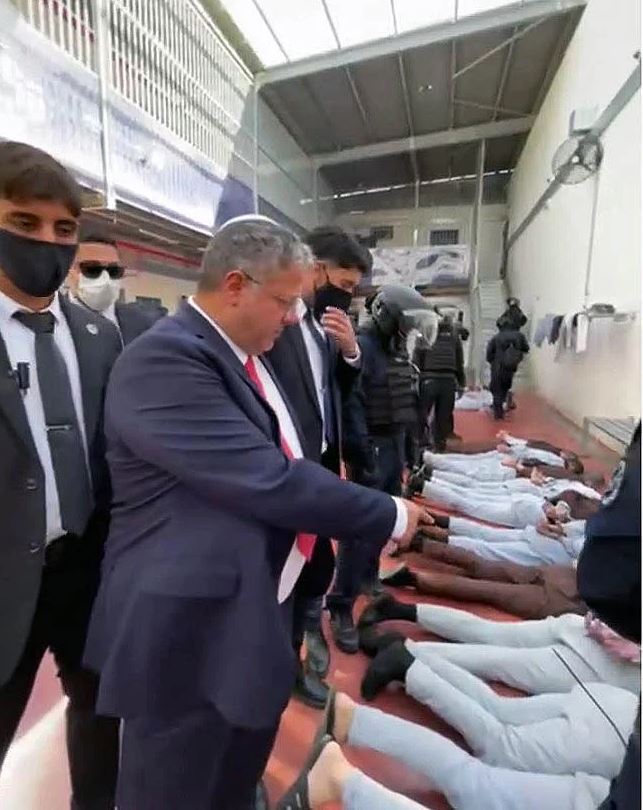
Two months earlier, in October 2025, Ben-Gvir published a video on his Telegram channel showing himself standing next to handcuffed Palestinian prisoners lying on the ground while humiliating them. In the video, he called for executions and harsher measures against Palestinian detainees—footage that sparked outrage among human rights organizations.