Germany’s complicity in Gaza: Arms, money, and political cover for Israel
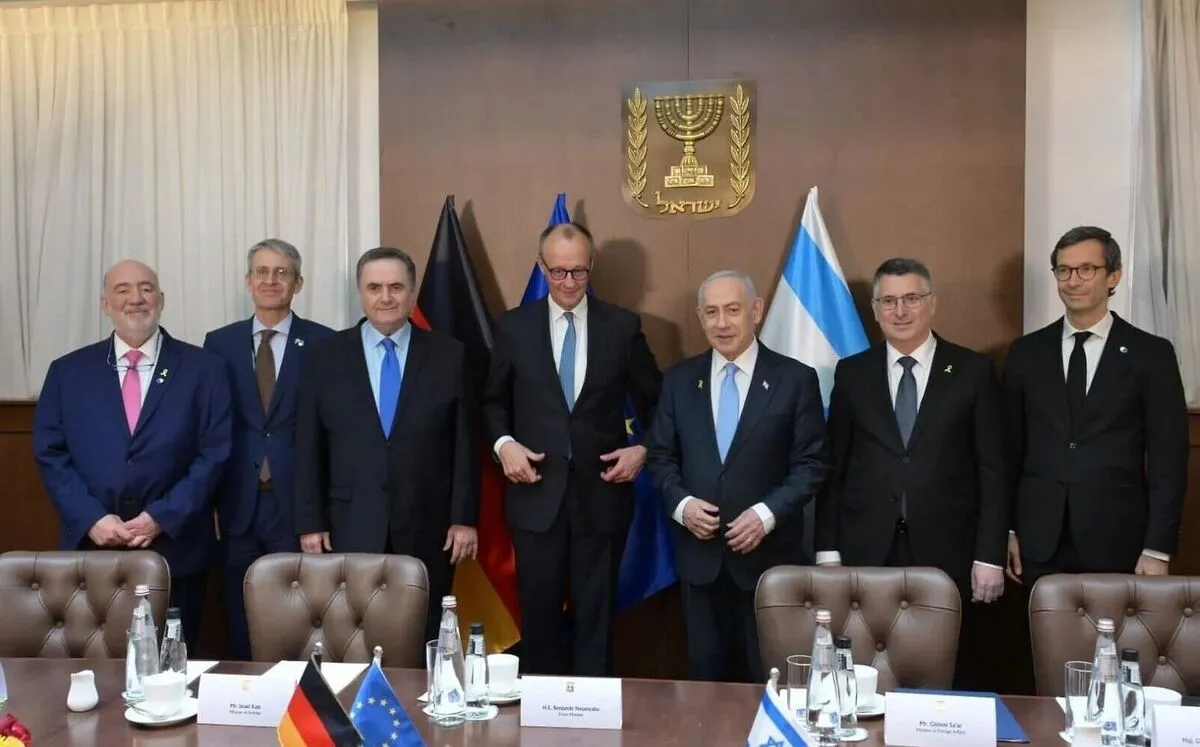
Friedrich Merz, the German Chancellor, has traveled to the occupied territories on his first foreign visit since assuming office in May.
The purpose of his trip is to reaffirm the strong relations between Germany and the occupying regime—relations that have been shaken during the more than two-year-long genocidal war against Palestinians in Gaza.
However, Germany has remained one of the principal supporters of the Israeli regime in recent years, particularly since the start of the Gaza war.
Germany’s diplomatic support for the Israeli regime
Since October 2023, Germany has expressed extensive diplomatic support for the Israeli regime during the Gaza war.
From the very first days of the war, the German government emphasized what it described as Israel’s “right to self-defense.”
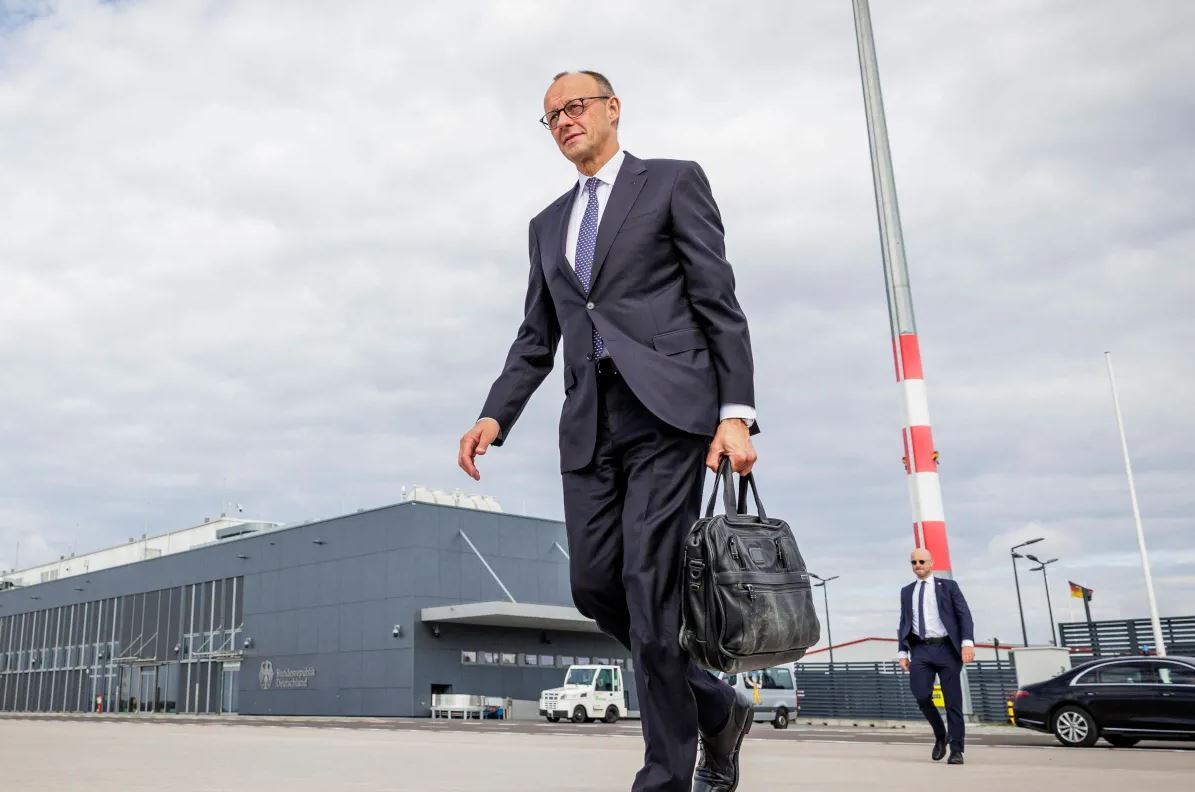
At the same time, German Chancellor Friedrich Merz traveled to the occupied territories and stressed Germany’s commitment to the security of the Israeli regime.
In addition, Johann Wadephul, Germany’s foreign minister, met with Israeli Prime Minister Benjamin Netanyahu and other Zionist officials.
Military support for the criminal regime
Militarily, Germany, as the second-largest supplier of weapons to the Israeli regime, has issued more than €485 million in military export licenses since October 2023.
These exports include Sa’ar-6 coastal corvettes, Matador anti-tank missiles, Merkava tank engines, artillery components, and gun sights.
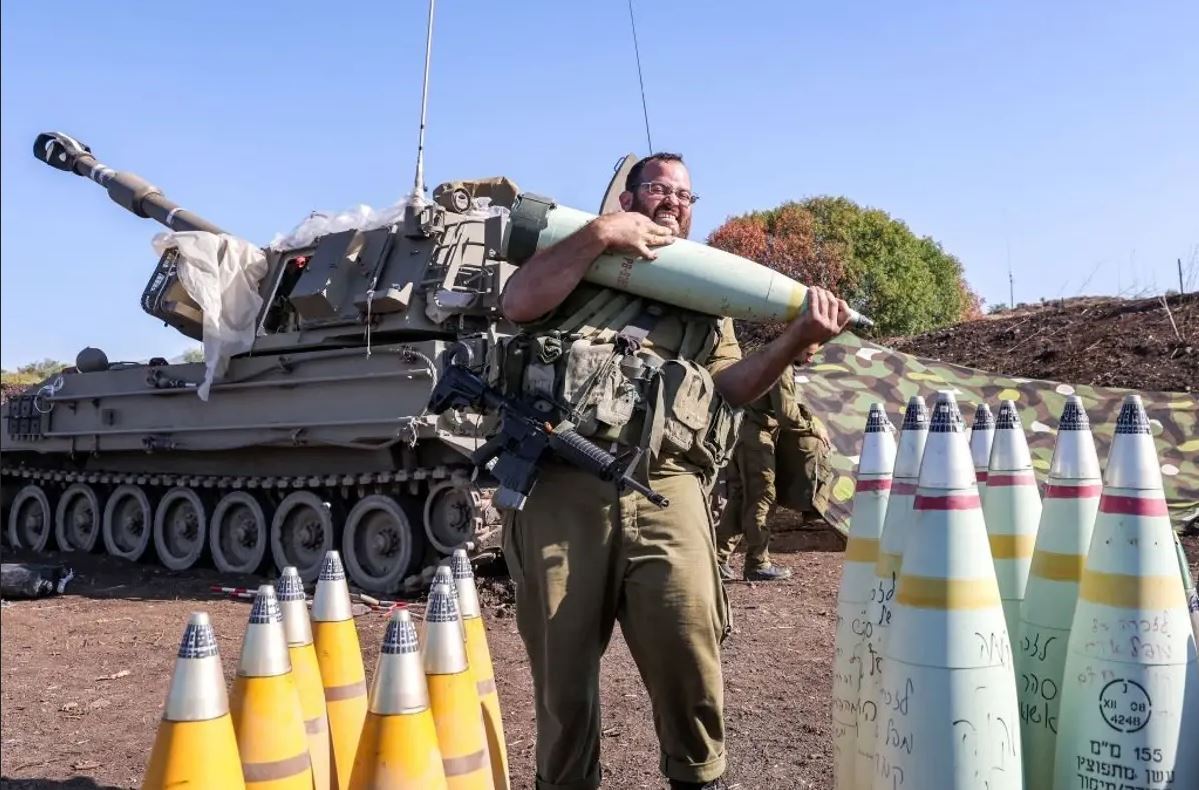
Politico reported that despite a symbolic and temporary suspension of offensive arms exports in August 2025 due to human rights concerns in Gaza, these restrictions were lifted in November 2025 following a ceasefire, and exports returned to a case-by-case review process.
According to reports, deliveries of weapons—including nuclear-capable submarines and tank engines—have increased nearly tenfold since October 2023.
Germany’s economic support for the Israeli regime
Germany’s economic support for the Israeli regime since October 2023 has largely continued through financial subsidies and arms exports.
According to Al Jazeera, Germany provides financial subsidies to the industries and cabinet of the occupying regime and, since the 1990s, has delivered seven nuclear submarines to preserve the occupiers’ nuclear capability.
Arms exports, which accounted for 30% of Israel’s major weapons imports between 2019 and 2023, have had strong economic dimensions—reaching $352 million in 2023 and $150 million in 2024.
These forms of support are part of Germany’s policy to strengthen bilateral economic relations.
Political support for the occupying regime
Politically, Germany has shown unwavering support for the Israeli regime and has consistently sought to justify this stance.
The German parliament passed a resolution against what it labels as “antisemitism,” which has effectively been used to suppress critics of the Israeli regime.
According to the FDD website, Berlin now considers labeling Israel as an apartheid regime to be antisemitic and uses police violence to suppress pro-Palestinian protesters.
Former German Chancellor Olaf Scholz had previously emphasized what he called Berlin’s “eternal responsibility” for Israel’s security.
This support continues despite domestic pressure and opinion polls indicating a decline in public support for the occupying regime.
Criticism of Merz’s visit to the occupied territories
Friedrich Merz’s visit to the occupied territories has faced widespread criticism from human rights organizations and opposition parties in Germany.
This visit takes place while arrest warrants issued by the International Criminal Court (ICC) for alleged war crimes and crimes against humanity in Gaza remain in effect.
Human Rights Watch (HRW) warned that the visit undermines Germany’s credibility in its commitment to international justice, as Merz is the first German chancellor to publicly meet with an ICC suspect. HRW added that this could escalate pressure against the ICC, including U.S. sanctions on its judges.
Protesters also held demonstrations in Berlin in front of the Brandenburg Gate, condemning the visit and calling it a sign of the normalization of the situation in Gaza—where, according to human rights organizations, genocide and war crimes by the Israeli regime continue.
Katia Müller-Fahlbusch, a human rights expert, stressed that Merz’s trip sends a false message that “everything is normal in Gaza,” while the people’s suffering continues.
Human rights organizations have called for a full arms embargo on the Israeli regime and criticized the Merz government for lifting the temporary restrictions on arms exports