The Hague pushes back against U.S. pressure over Gaza war crimes probe
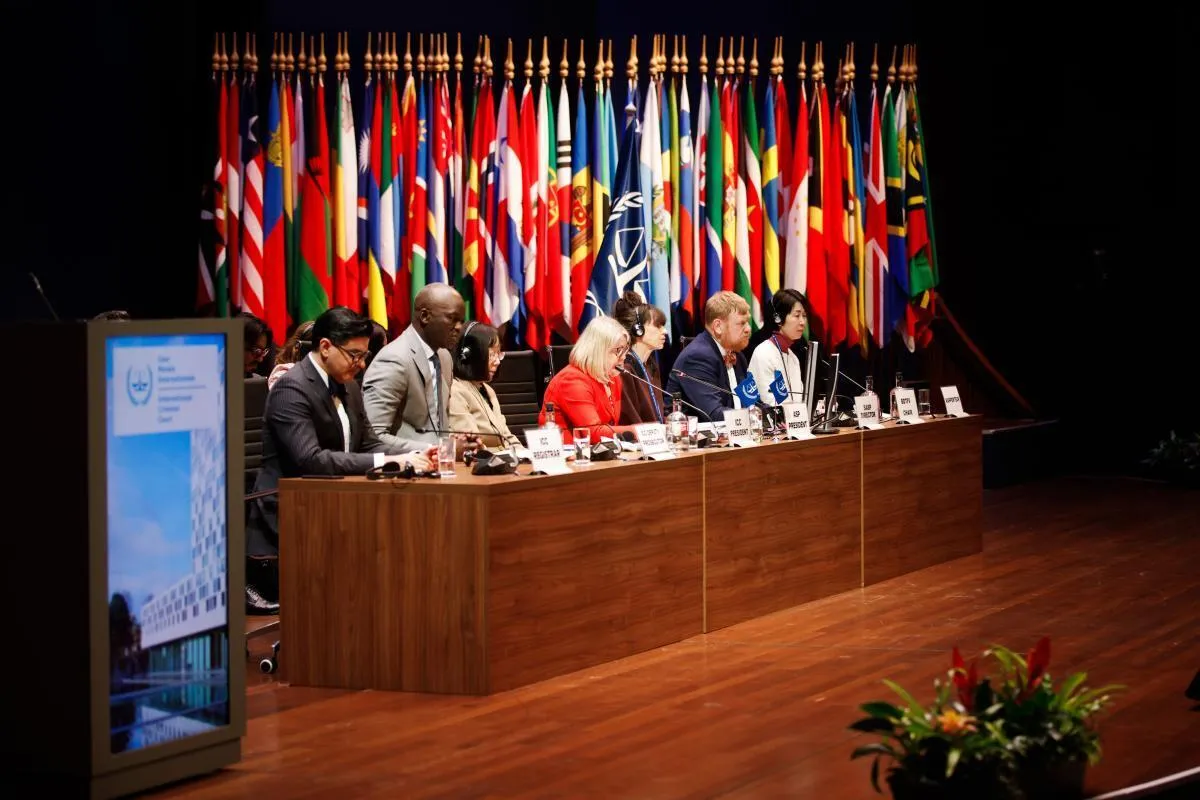
Middle East Eye reported that the International Criminal Court (ICC) has rejected U.S. requests to halt the Court’s investigations into Israeli war crimes and to amend the Court’s founding treaty. Under the Rome Statute, the ICC is authorized to prosecute nationals of non-member states (such as the United States and the Israeli regime).
In a statement issued after its annual meeting in The Hague, the Assembly of States Parties (ASP) reaffirmed its commitment to preserving the integrity of the Rome Statute and expressed deep concern over threats and coercive measures targeting the Court.
The meeting was held amid U.S. sanctions previously imposed on several senior ICC officials, including judges and Chief Prosecutor Karim Khan.
Diplomats speaking on the sidelines of the event said that, ahead of the ASP meeting, the U.S. government had attempted to exert further pressure on the ICC by requesting the termination of investigations into war crimes in Palestine and Afghanistan as a condition for lifting sanctions.
The United States also urged member states to amend the Rome Statute to prohibit the prosecution of nationals of non-signatory states—an action that would effectively grant judicial immunity to U.S. nationals and Israeli settlers.
According to reports from three diplomats, representatives of ICC member states received the U.S. demands last month during a meeting conveyed by a diplomat from a European Union country.
Countermeasures by the court
The session of the Assembly of States Parties to the ICC—comprising representatives from 125 countries that have ratified the Rome Statute—was held at a time when the Court is facing unprecedented threats. These threats are largely due to the ICC’s investigations into the Israeli regime over war crimes in Gaza and the occupied Palestinian territories.
The sanctions have also targeted judges involved in investigations into U.S. war crimes in Afghanistan.
Since February, the U.S. government has imposed financial and visa sanctions on the ICC’s chief prosecutor, two deputy prosecutors, six judges, the UN Special Rapporteur on Palestine, and three Palestinian-supporting non-governmental organizations.
The United States has also threatened to sanction the Court itself.
These sanctions have disrupted the daily lives of nine ICC officials, barred them from traveling to the United States, and effectively cut them off from much of the global financial system, including in Europe.
Meanwhile, ICC officials have confirmed that the Court is implementing countermeasures to protect itself against sanctions, though the details of these measures are being kept confidential to ensure their effectiveness.
A statement adopted by the ASP condemned the use of coercive measures, including sanctions, against Court officials or those cooperating with the ICC, including human rights organizations.
The ASP meeting took place about one year after judges in The Hague issued arrest warrants for Benjamin Netanyahu, the prime minister of the Israeli regime, and Yoav Gallant, his former war minister, on a range of charges centered on the use of starvation as a weapon of war in Gaza. This marked the first time in the Court’s history that arrest warrants targeted officials of a Western-aligned state.
Last year’s decision by the ICC prosecutor to seek arrest warrants led to threats against him and the Court by the United States and its allies, including the United Kingdom.
Media reports revealed this summer that on April 23, 2024, while Karim Khan was preparing to request arrest warrants for Netanyahu and Gallant, former UK Foreign Secretary David Cameron threatened him in a phone call, warning that if the Court issued the warrants, London would cut funding to the ICC and withdraw from it.
ICC officials have also faced extraordinary pressure and threats from U.S. officials over the past year. In May 2024, U.S. Republican Senator Lindsey Graham threatened ICC officials with sanctions during a virtual meeting.
Similarly, in July, Reid Rubinstein, legal adviser to the U.S. State Department, warned that “all options remain on the table” unless all arrest warrants and investigations into Israeli war crimes are canceled.