The Role of teaching programming in enhancing children’s sense of responsibility
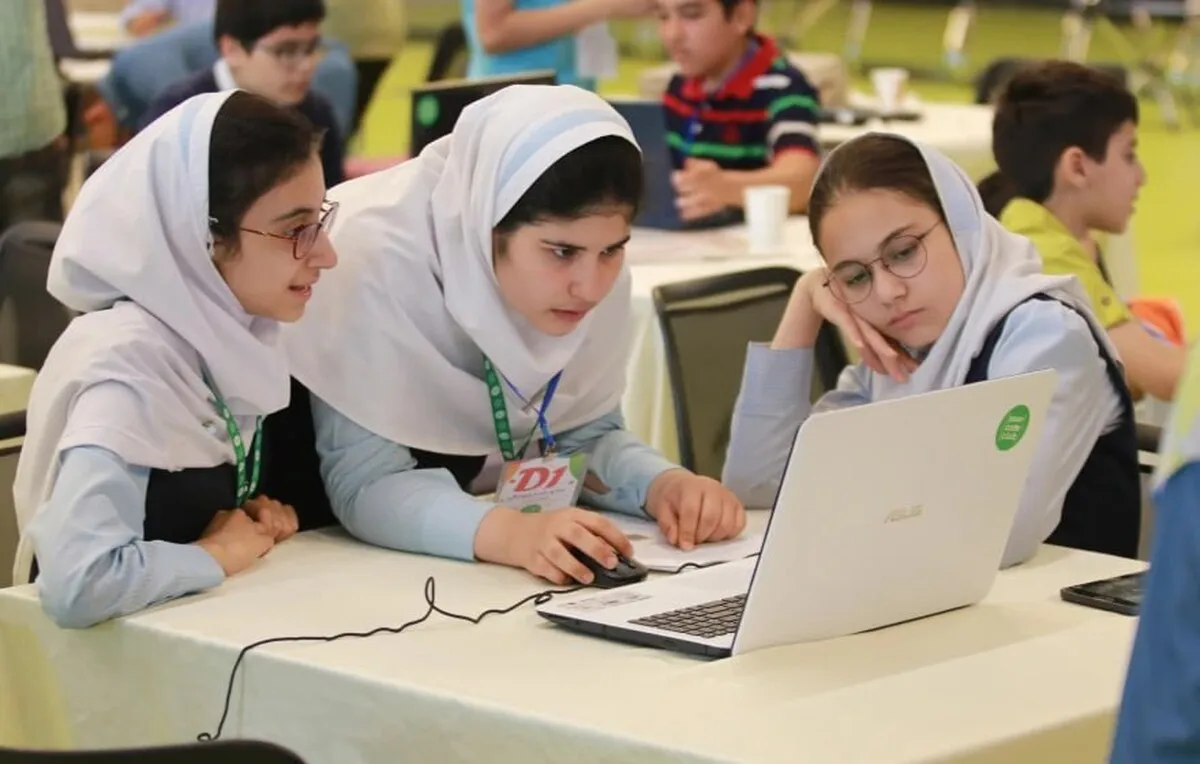
In today’s rapidly changing world, equipping children with modern skills—especially in the field of technology—has become increasingly important. Programming, as one of the key skills of the 21st century, not only opens the doors of the technological world to children but also plays a significant role in enhancing their sense of responsibility and their knowledge.
Teaching programming to children goes far beyond learning a technical language; it provides an opportunity to cultivate essential life skills. In the process of programming, children face challenges that require planning, organization, and problem-solving. This process directly strengthens responsibility in children, as they learn to:
Set goals: Children must define their objectives before starting a programming task and plan how to achieve them.
Make decisions: Throughout the programming process, children are faced with numerous choices, each with its own specific consequences.
Accept their mistakes: Errors (or so-called “bugs”) are an inevitable part of programming. Children learn to learn from their mistakes and make efforts to fix them.
Show perseverance: Programming can be challenging and requires patience and persistence. Children learn not to give up when facing difficulties and to continue striving.
Programming as a platform for expanding knowledge
Programming enables children to expand their knowledge across various fields. While coding, children become familiar with concepts in mathematics, science, and logic. They learn how to apply these concepts in the real world and solve problems creatively.
In addition, programming helps children to:
- Strengthen critical thinking: Children learn how to analyze information, examine assumptions, and evaluate different solutions.
- Nurture creativity: Programming is a creative process that allows children to turn their ideas into reality.
- Improve communication skills: Children learn how to express their ideas clearly and concisely and how to collaborate with others.
- Increase digital literacy: In today’s world, digital literacy is an essential skill. Programming helps children gain a deeper understanding of technology and use it effectively.
Empowering the next generation through programming
Teaching programming to children is an investment in the future. Children who learn programming not only acquire the technical skills needed to succeed in the 21st century, but also strengthen their sense of responsibility, knowledge, and critical thinking.
By equipping children with these skills, we empower them to face future challenges and to create a better world. Programming is the key to unlocking the full potential of the next generation.