“We entered alive, we left broken”: Palestinian journalist recounts 20 months of abuse
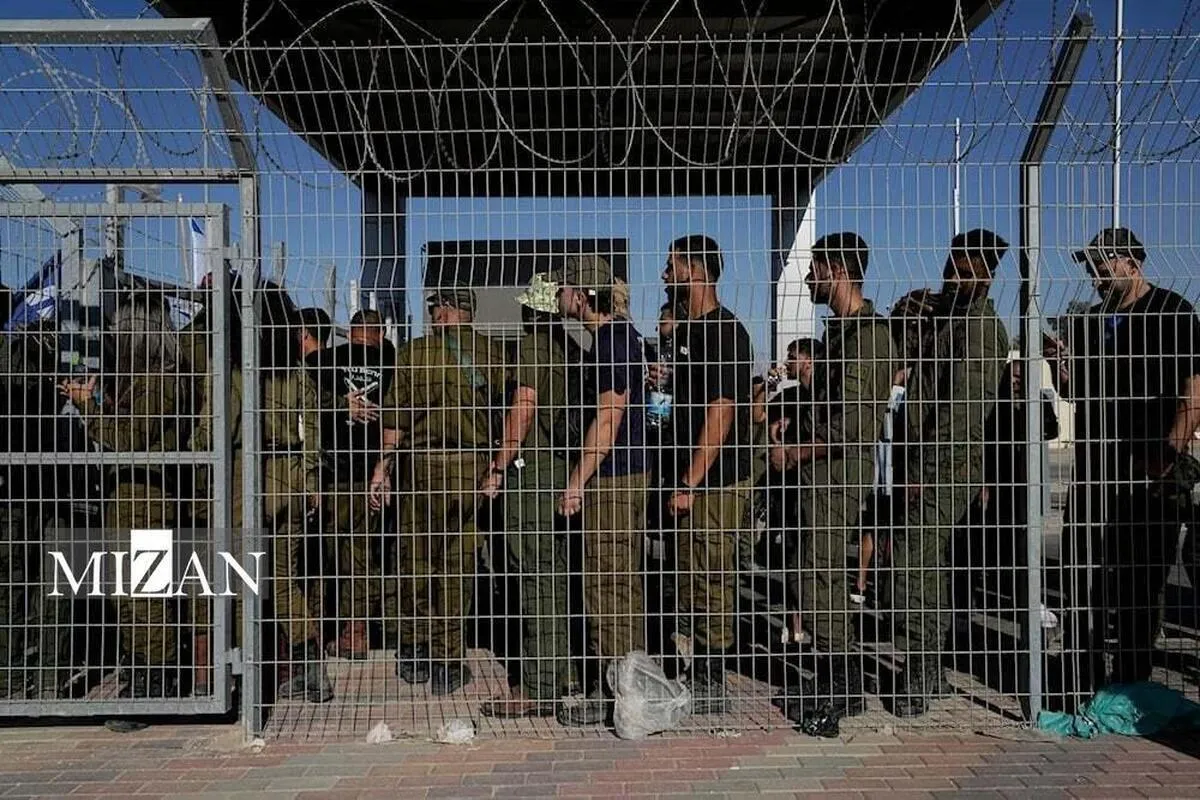
The Palestinian Center for Human Rights (PCHR) reported that the journalist testified he was sexually abused and tortured by Israeli soldiers at the Sde Teiman detention facility, leaving him with severe psychological trauma.
According to the center, the journalist experienced a mental breakdown lasting more than two months and, out of concern for his family’s safety, has chosen not to disclose his real name. He spent a total of 20 months in Israeli custody, including three months in Sde Teiman and one month in Ofer prison.
He was arrested during the Israeli raid on al-Shifa Hospital in Gaza City on March 18, 2024, while clearly identifiable as a journalist—wearing a press vest and carrying his camera.
PCHR described this case as one of the most serious crimes committed against journalists in Israeli detention.
The journalist and seven other detainees were sexually assaulted by groups of soldiers after being restrained, blindfolded, and moved to an isolated section of the facility.
He stated that he suffered a severe psychological and nervous collapse, losing the ability to think or function normally for more than two months.
Medical and legal experts confirmed that his symptoms are consistent with acute stress disorder and post-traumatic stress disorder (PTSD).
According to the journalist, the abuse was part of a systematic effort to break the prisoners’ will—far from an isolated incident. He also described the use of dogs as tools of torture, violent interrogations, and repeated transfers between detention centers while shackled and blindfolded.
He described the approximately 100 days he spent in Sde Teiman as “inhuman,” citing physical and psychological abuse, sleep deprivation, starvation, religious insults, inadequate medical care, and electric shocks. He added that the sexual assault was the most extreme violation, carried out in secluded rooms under the supervision of Israeli soldiers and with complete impunity.
He further said that the mistreatment intensified once officials realized he was a journalist, accusing him of spreading “misinformation” and threatening him with life imprisonment. He described overcrowded cells, poor sanitation, disease outbreaks, food and water shortages, restrictions on prayer, and constant humiliation. He also witnessed the deaths of detainees—including academics and doctors—under suspicious circumstances.
“We endured autumn and winter wearing torn summer clothes. We slept on the floor. We entered these prisons alive and walked out with exhausted bodies and broken spirits. Those who did not die inside were shattered forever,” he said.
PCHR stated that the reported actions constitute sexual assault and torture under the 1984 Convention Against Torture, and if proven systematic, could amount to war crimes under Article 8 of the Rome Statute or crimes against humanity under Article 7.
The organization stressed that the abuses also violate Common Article 3 of the Geneva Conventions, amounting to a direct attack on journalists, who are protected civilians.
PCHR called for the case to be referred to the International Criminal Court (ICC) for urgent investigation, prosecution of those responsible, and provision of medical care and protection for survivors and witnesses. The group emphasized that these testimonies add to growing evidence of systematic torture in Israeli prisons.
The Sde Teiman facility gained global attention after a video released in August 2024 showed Israeli soldiers sexually assaulting a Palestinian detainee.
The detainee—hospitalized with fractured ribs, a punctured lung, and severe injuries—had been abused by at least five soldiers. None were arrested or subjected to legal restrictions.
Human rights organizations recently reported that since October 7, 2023, at least 98 Palestinians have died in Israeli custody. Rights groups say the unprecedented figure reflects a collapse of detention standards, with no medical or legal oversight.