$1 billion lost as international students stay away from U.S. colleges
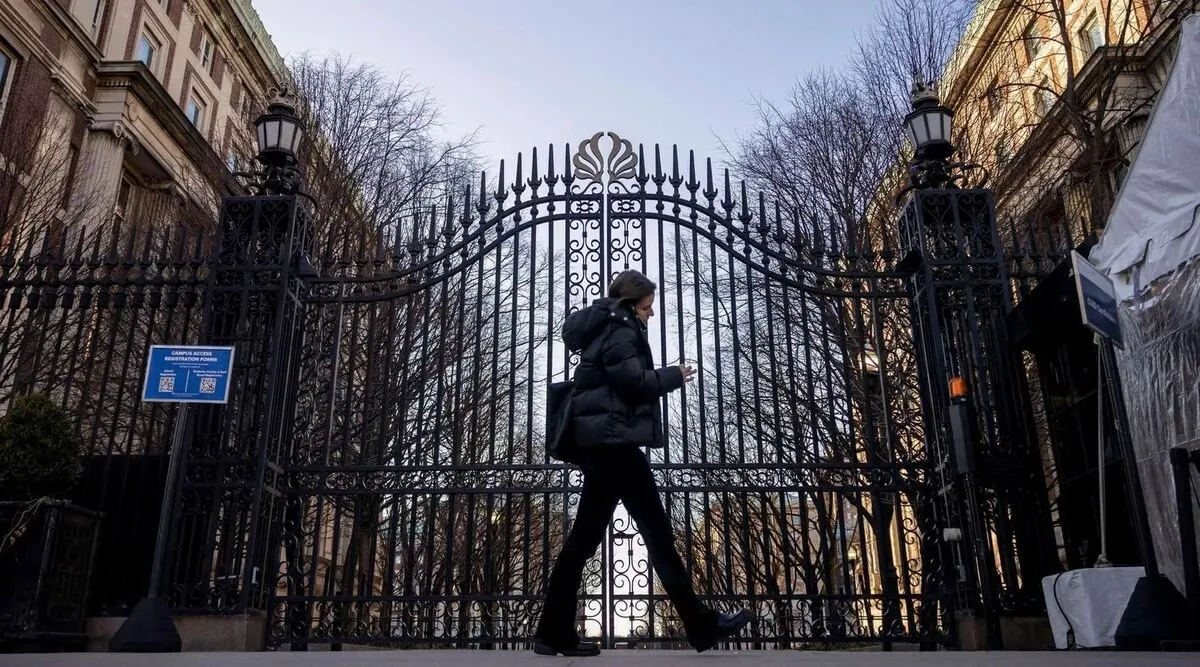
The International Business Times reported that, according to data from the Institute of International Education (IIE) and the Partners Association, enrollment of international students in U.S. universities for the fall 2025 term fell 17% due to government visa restrictions under Trump.
International students make up about 6% of the U.S. higher education population and contributed nearly $55 billion to the U.S. economy last year. They also support roughly 355,000 jobs nationwide, underscoring their economic importance.
Analysis of IIE data shows that the decline in foreign student enrollment this year has cost the U.S. economy $1.1 billion (£831.7 million) and led to the loss of approximately 23,000 jobs.
Economic impact by state
California is expected to lose around $161.9 million, New York $152.5 million, while Massachusetts and Texas face losses of $92.1 million and $64.6 million, respectively, due to the drop in international student enrollment.
The U.S. State Department, led by Marco Rubio, recently canceled more than 6,000 student visas. Rubio has strongly defended the Trump administration’s policies on student visa cancellations.
In an interview with WTN earlier in August, he said: "There is no legal right to a student visa. A student visa is something we approve for issuance. Every day, various visas are denied worldwide. At this very moment, an applicant’s U.S. visa request is being denied."
According to NAFSA (Association of International Educators) in Washington, D.C., the decline in international student enrollment is linked to changes in student visa policies under the Trump administration.
The U.S. government implemented multiple changes to international student visas, including canceling thousands of existing visas, increasing eligibility checks, imposing restrictions, and proposing new regulations to limit the duration of certain visas to a fixed term.
An analysis by the economic software company Implan highlights that international students are critical to the economic health of U.S. communities. Data on new student spending shows they contribute $12.6 billion to U.S. GDP, over $6.6 billion to labor income, and support more than 93,000 jobs nationwide.
The decline in international student enrollment poses challenges for higher education and the U.S. economy. Stakeholders stress the importance of policies that attract and retain international students, which they consider vital for future growth and societal well-being.
The current political and social climate in the U.S. has made the country a less attractive destination for migrants. Culturally, the decline in international students reduces U.S. competitiveness compared to countries like Canada, the U.K., and Australia, which attract more students through more open immigration policies and greater work opportunities.
The restrictive policies under Trump also have scientific consequences, including reduced academic exchange and a decline in the global reputation of U.S. higher education.