“The house has become a prison”: Palestinian journalist locked inside for two years
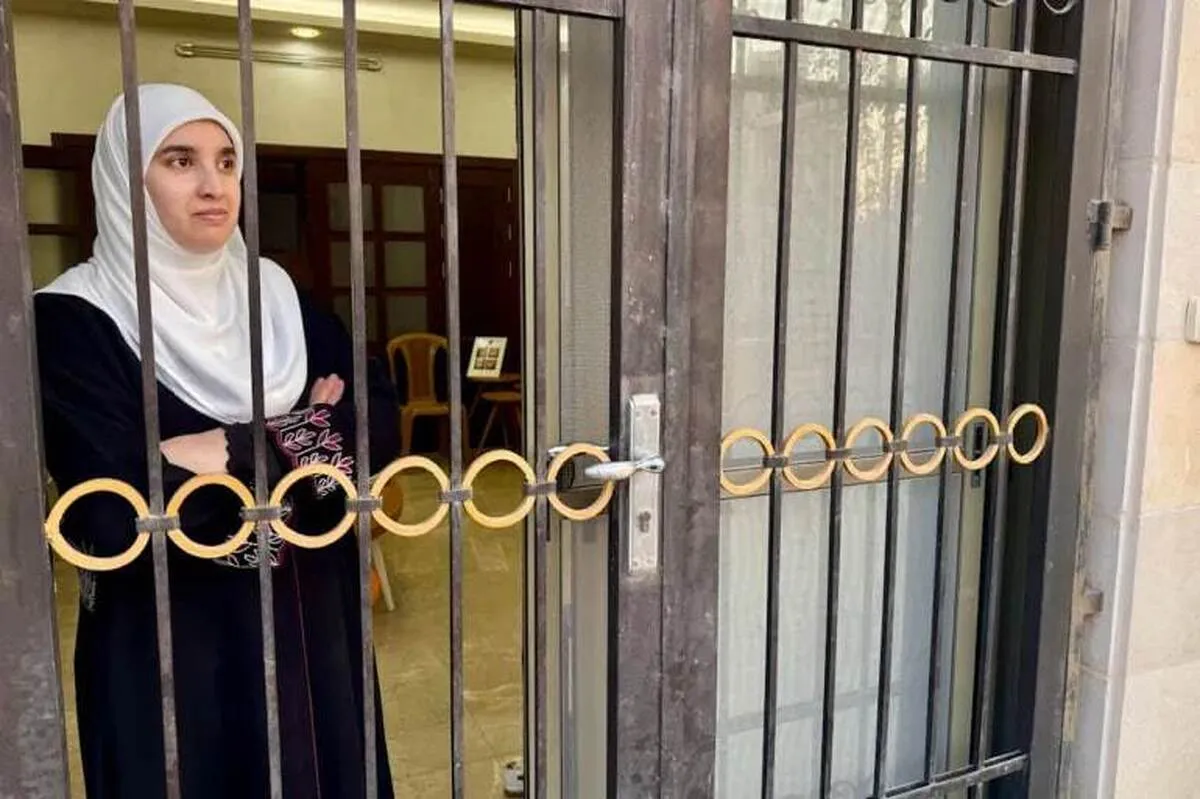
According to Middle East Monitor, Somaya Jawabra, whose work has long focused on conveying the Palestinian narrative, has been barred from leaving her home for more than two years. The ruling has effectively silenced her journalism and restricted her communication with the outside world.
Her husband and fellow journalist, Tariq al-Sarkaji, said the Israeli occupation authorities have imposed sweeping restrictions on her movement and communication. “Sumaya has not stepped outside for two years. The house has become a prison,” he told reporters, noting that she is even prohibited from stepping into the yard or accompanying her children to medical appointments.
Al-Sarkaji added that the window of their home has become her only link to the outside world. “Her dreams have become very simple. She says the first thing she wants after her release is just to go to the market,” he said.
He stressed that the conditions of her confinement have deprived her of basic rights, including visiting family members and sharing ordinary daily activities with her children.
Journalist groups and human rights organisations say the case exemplifies Israel’s expanding restrictions on Palestinian media and freedom of expression in the occupied West Bank.
Who is Somaya Jawabra?
Somaya Jawabra is a Palestinian freelance journalist based in Nablus, in the northern West Bank. Her work has focused on documenting the realities of Palestinian life and the human cost of occupation. According to the Committee to Protect Journalists (CPJ), she was born around 1993 (aged 30 at time of her arrest).
On November 5, 2023, Jawabra was summoned, along with her husband, to an Israeli police station in the Ariel settlement for questioning.
Although her husband was released, Jawabra—who was then seven months pregnant—remained under detention for another week.
Her arrest came after about two weeks of incitement against her by Israeli settlers in a Telegram group, who accused her of supporting Hamas and inciting violence.
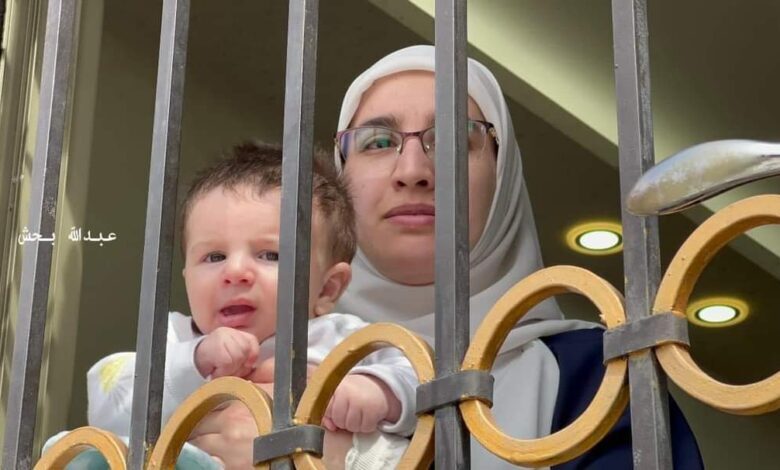
On November 12, 2023, a court released Jawabra under strict and punitive conditions: she was placed under indefinite house arrest, required to post bail (10,000 shekels personally and 50,000 from a guarantor), banned from using the internet, and placed under home supervision along with her husband and mother-in-law.
During this time, she gave birth to her son in January 2024, while still confined to her home.
Human rights groups—including Addameer and MADA—have strongly condemned her detention. According to Addameer, her house arrest represents a severe abuse of the policy, limiting her freedom of movement and making her home a type of prison.
The Coalition for Women in Journalism likewise highlighted concerns, especially because she was pregnant at the time of arrest, calling on Israeli forces to lift the charges against her.
The case of Somaya Jawabra has drawn international attention, with journalist groups and press freedom advocates warning that her situation reflects a broader pattern of Israel’s increasing restrictions on Palestinian media in the occupied West Bank.
In the face of this repression, Somaya has remained dedicated to her profession—even as her freedom is curtailed. Her story is a powerful reminder of the risks Palestinian journalists face and the lengths to which an occupying power may go to silence critical voices.