Algorithm-driven border monitoring system leads to arrests across the U.S.
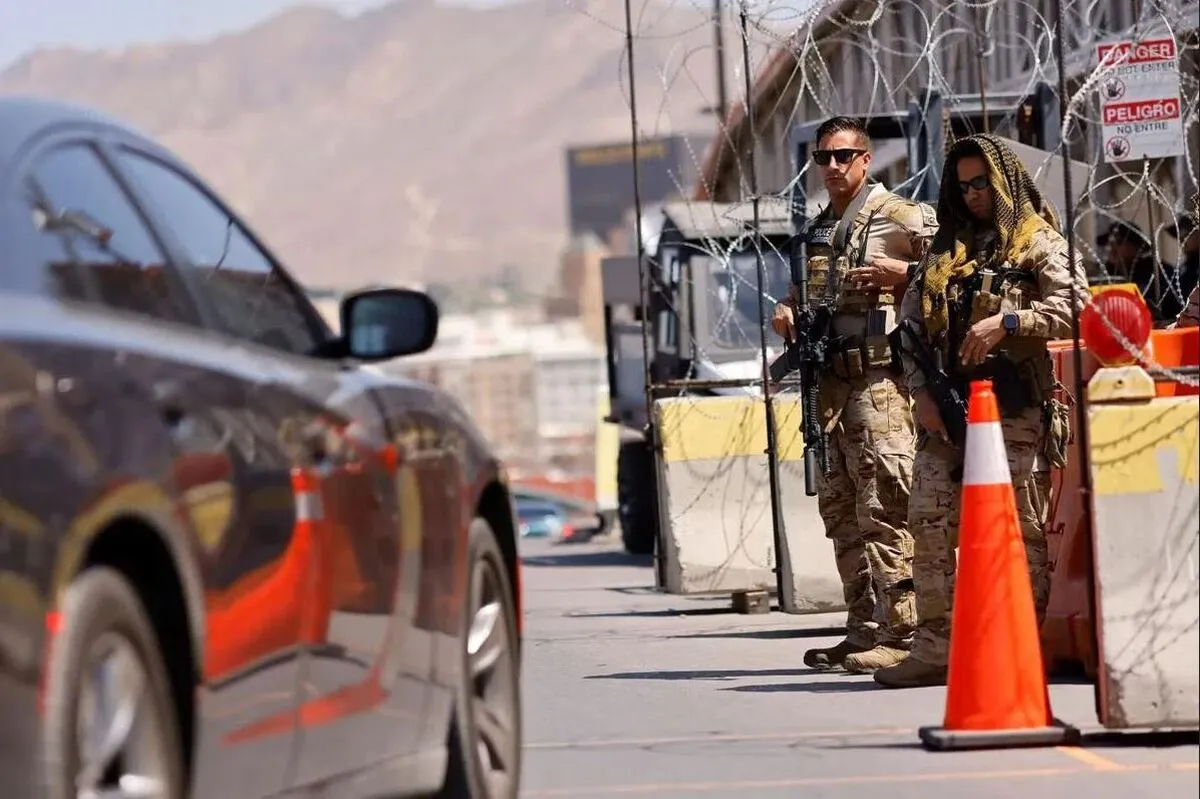
Through this covert program, the Border Patrol has been monitoring millions of American drivers nationwide, identifying and arresting individuals whose travel patterns the system deems unusual or suspicious.
This program has resulted in traffic stops, searches, and in some cases, arrests. A network of cameras scans and records vehicle license plates, and an algorithm flags cars based on their origin, destination, and the routes they have taken.
Drivers suddenly find themselves being pulled over—often for minor reasons such as speeding, failure to signal, tinted windows, or even an air freshener hanging from the mirror. They are then subjected to aggressive questioning and searches, without realizing that the routes they traveled had placed them on law enforcement radar.
According to the Associated Press, Border Patrol—once limited to monitoring the nation’s borders—has built a surveillance system that extends deep inside the country. Instead of focusing only on wanted suspects, it can now monitor the daily movements and communications of ordinary Americans in search of anomalies.
The system, launched about a decade ago to combat illegal border-related activities and the trafficking of drugs and people, has expanded significantly over the past five years.
Documents reveal that Texas law enforcement agencies have requested that Border Patrol use facial recognition technology to identify drivers.
This active role far beyond the border is part of the quiet transformation of U.S. Customs and Border Protection into something resembling a domestic intelligence operation. Under the Trump administration’s intensified immigration enforcement efforts, CBP is now positioned to receive more than $2.7 billion to build border surveillance systems, including AI-powered license-plate recognition and other emerging technologies.
This is the first investigation to reveal detailed information about how the program functions on America’s roads. It is based on interviews with eight former government officials with direct knowledge of the initiative, as well as dozens of federal, state, and local officials, attorneys, and privacy experts.
The Associated Press also reviewed thousands of pages of court filings, government documents, state grant data, law enforcement records, and arrest reports.