Detaining Gaza’s doctors: A strategy to collapse Palestine’s medical system
Over the past two years, the Zionist regime’s war on Gaza has resulted in numerous atrocities as part of its genocidal strategy. One of the most significant aspects of these crimes has been the killing and detention of Gaza’s medical personnel, which experts have described as a form of “medicide.”
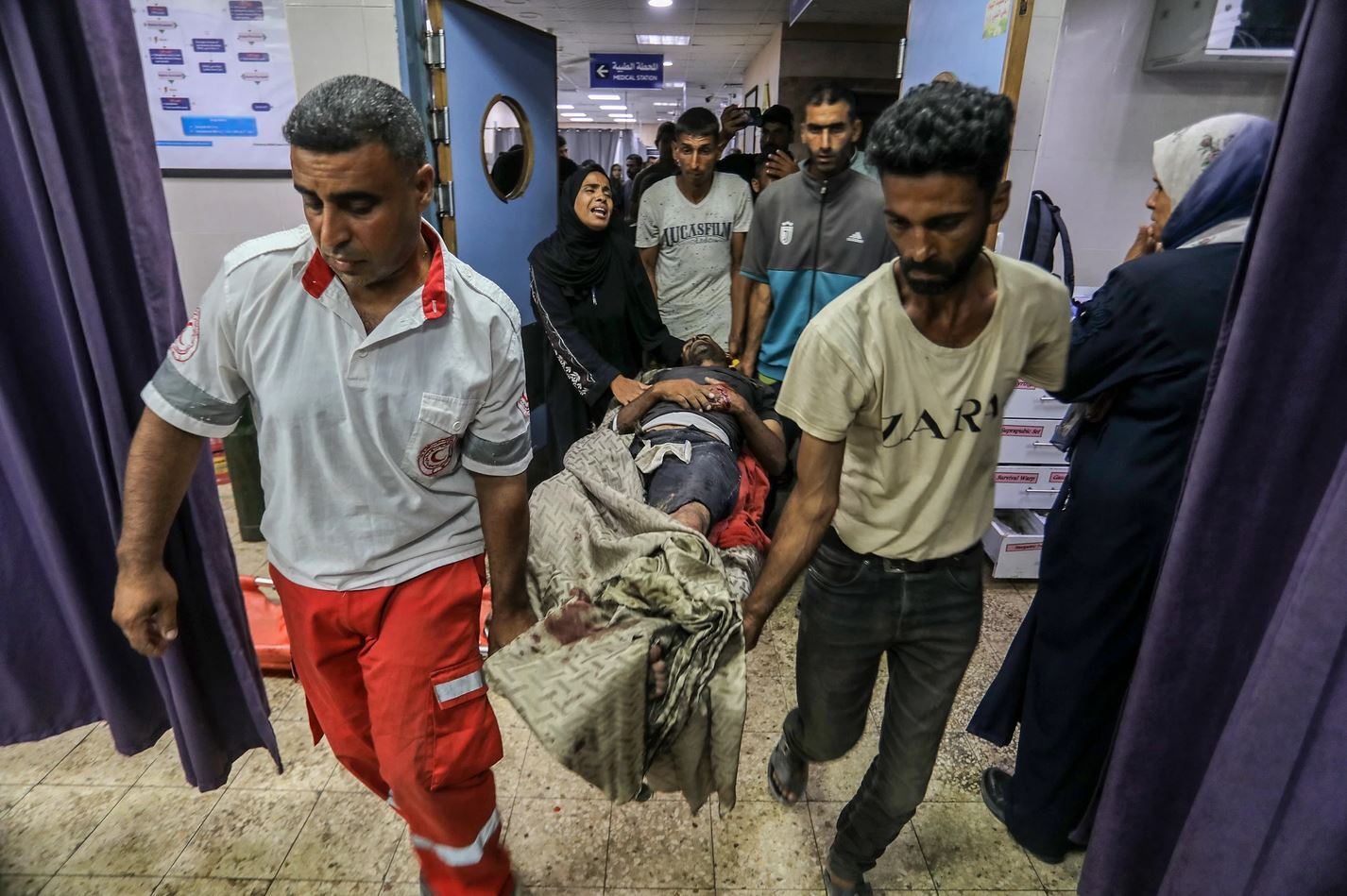
Since the beginning of the war against Gaza, medical workers, including doctors and nurses, have been targeted by Israeli attacks.
According to 972 Magazine, Physicians for Human Rights Israel (PHRI) reported that 80 members of Gaza’s medical staff remain imprisoned by the Zionist regime; the list includes 17 doctors.
These doctors are being held under harsh conditions without charges or trial, with no contact with the outside world except for occasional meetings with lawyers. They face physical violence, medical neglect, and starvation, which has already resulted in the deaths of dozens of Palestinian detainees.
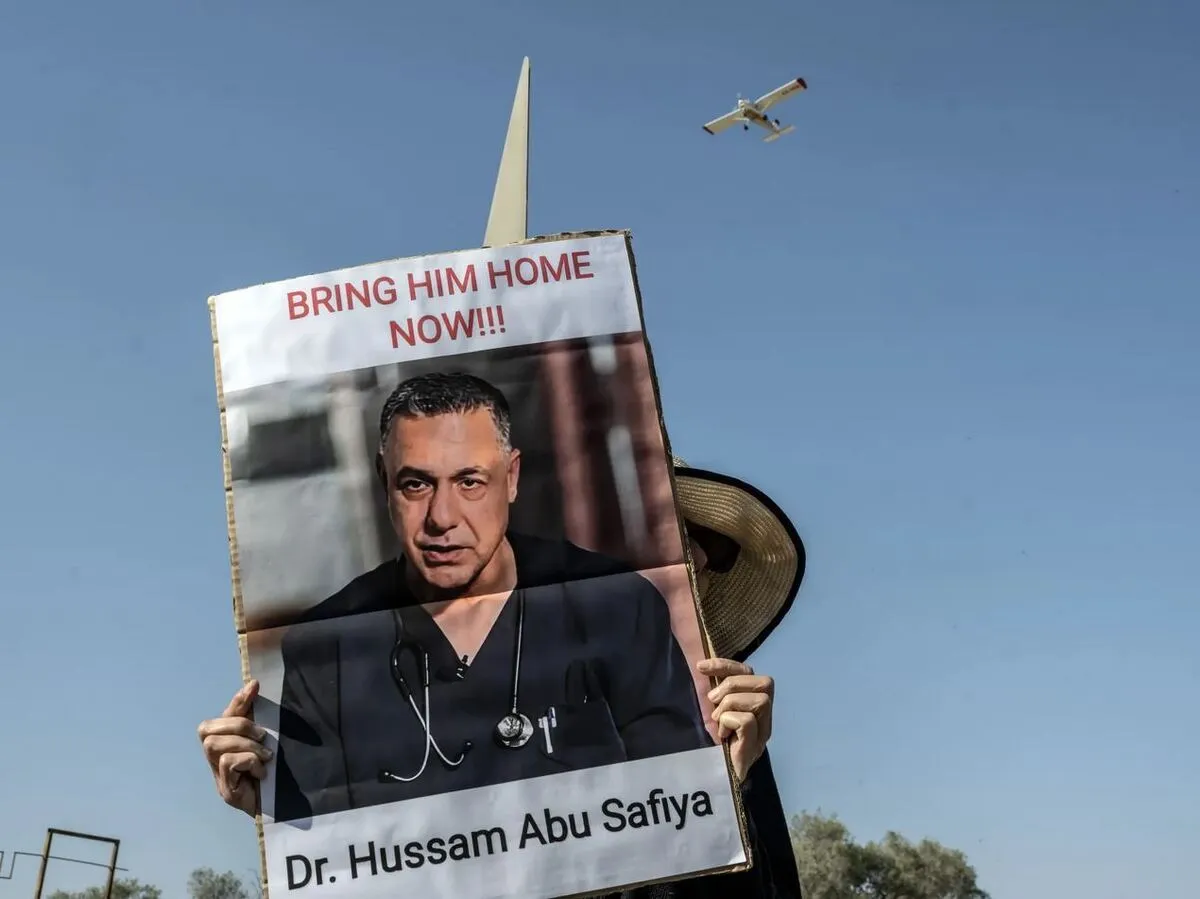
Even when their cases gain significant public attention—such as that of Dr. Hossam Abu Safiya, the director of Kamal Adwan Hospital, who has been detained since December 2024—it has had little impact on securing their freedom.
Nahid Abutaymeh, head of the surgery department at Nasser Hospital, was detained during the February 2024 raid on the medical complex. Since his arrest, he has been permitted to see his lawyer only once every six months.
After their most recent meeting in early October, the lawyer informed Abutaymeh’s family that he had lost 25 kilograms, was being beaten daily, told he would never be released, and denied regular access to medication for high blood pressure.
At the time of his arrest, Abutaymeh was living at Nasser Hospital with his wife and nine children, along with many other families of medical workers. Their home in Khan Younis had been destroyed early in the war, and they believed that the hospital would protect them from airstrikes.
When the Israeli military stormed the Nasser medical complex, the Abutaymeh family evacuated, but he insisted on staying behind to care for the remaining patients. It was the last time his family saw or spoke to him.
PHRI confirmed in August 2024 that he was being held in Ketziot Prison in southern occupied territories. The first indirect contact through a lawyer happened three months later—nearly nine months after his arrest.
Since then, the Abutaymeh family has been living in a tent in Khan Younis. His wife, an obstetrician, has been supporting the family alone, despite the fact that Gaza’s doctors have not received regular salaries since the beginning of the war—only scattered payments every two to three months.
Yousef, one of Abutaymeh’s sons, who is suffering from heatstroke and an infected abscess in his leg, continues to protest his father’s imprisonment alongside the family.
Ahmad al-Farra, head of the pediatrics and obstetrics department at Nasser Hospital, said: “Every day, we lose a child in the hospital due to lack of equipment. Medications for diabetes, hypertension, and hypothyroidism are scarce. We have run out of blood testing tubes, and intensive care units are operating without essential supplies.”
Al-Farra added that although more food has entered Gaza since the ceasefire, essential data-x-items such as meat, milk, eggs, and fresh produce are still largely unavailable. Meanwhile, despite the influx of patients transferred from closed hospitals in the north, Nasser Hospital has not received additional medical supplies.
The family of Ghassan Abu Zahra, head of orthopedic surgery at Nasser Hospital and a highly regarded joint-replacement surgeon, had returned to Gaza in 2017 for medical service. Before the war, he would travel to the West Bank to perform surgeries.
Since his arrest and the destruction of their home in Khan Younis, his wife—who is a math professor—has been caring for 12 members of the family in a tent in Al-Mawasi in southern Gaza.
The Abu Zahra family has still been unable to speak with him, and only his lawyer has managed to meet him twice. During the first meeting, Abu Zahra was suffering from scabies—an outbreak allowed to spread by Israeli authorities in detention facilities during the two-year war on Gaza—and severe exhaustion. By the second meeting, he had lost 30 kilograms.
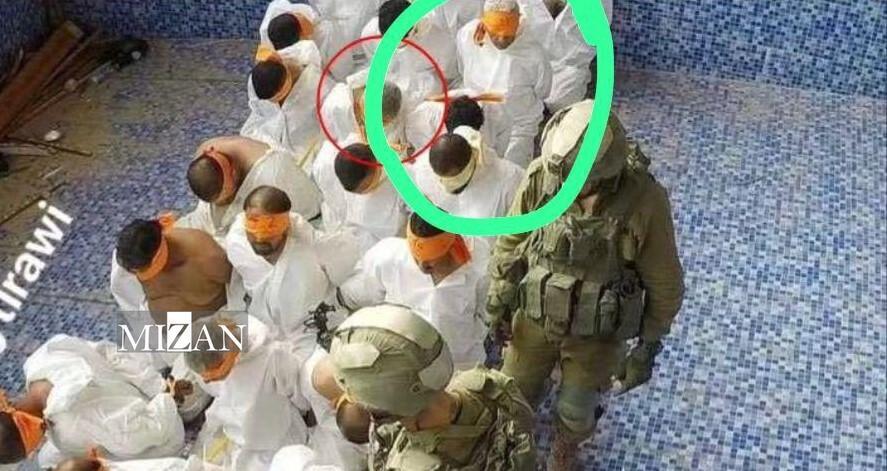
Omar Ammar, a 67-year-old obstetrician from Khan Younis, disappeared in March 2024 when the Israeli army besieged the city, unlike the other doctors arrested during the raid on Nasser Hospital.
His wife and daughters only discovered he had been detained when they recognized him in a photo circulated on social media—showing a group of blindfolded Palestinian men, stripped and kneeling in a large courtyard.
In October 2024, about eight months after his arrest, Ammar reported that before being transferred to Nafha Prison in the Negev—where he has remained since June—he had been moved between three different detention centers.
Ammar’s wife managed to find a lawyer through the Red Cross, and the lawyer has met him twice. The lawyer reported that Ammar had lost 25 kilograms, was losing his hair, and had contracted scabies.
Nafha Prison does not provide soap; guard dogs attack detainees, and prisoners are deliberately woken every two to three hours throughout the night.
Ammar’s wife and three children have been displaced 15 times since the beginning of the war and now live in a tent in Deir al-Balah. Two of his daughters suffer from low blood pressure and have each lost more than 10 kilograms.
His wife also struggles with diabetes, hypertension, and chronic heart disease, but has been unable to obtain her regular medications for months.
She said: “I would rather die than move again. I can’t do this anymore.”