A fight for life: Medical staff battle shortages and casualties
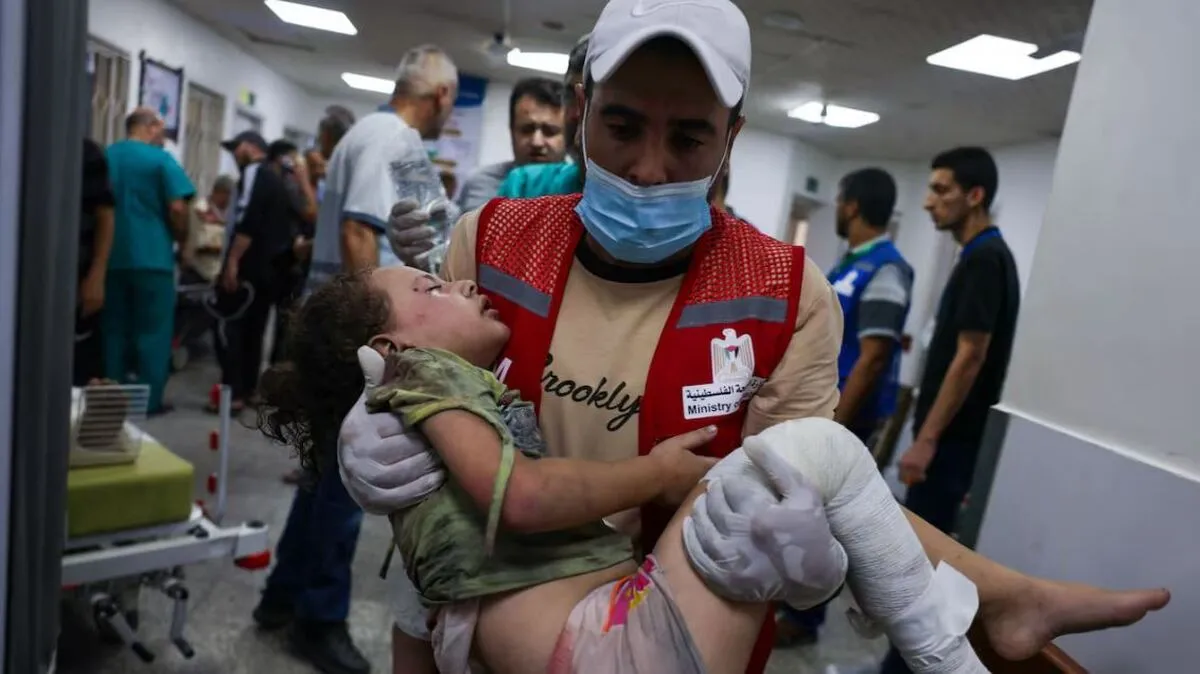
The acute shortage of hospital supplies comes as recent Israeli attacks on the region have killed 50 people and injured more than a thousand.
According to The Guardian, Gaza’s hospitals are struggling with a critical lack of essential equipment, while a new wave of Israeli airstrikes in recent days has killed over 50 people and wounded more than 100, as described by medical and relief workers in the devastated Palestinian territory.
Gazan doctors said on Sunday that stocks of gauze, disinfectants, thermometers, and antibiotics are nearly depleted.
Mohammad Saqr, head nurse at Nasser Hospital in Khan Younis, said: “We are still suffering from a severe shortage of most supplies and medications. Every day we face similar crises, shortages, and gaps in equipment, and we remain exhausted as casualties continue to arrive. There’s little difference compared to the period before the ceasefire. Unfortunately, the bombardment continues, and we do not feel that any major change has occurred.”
Since the ceasefire began last month, humanitarian organizations have delivered hundreds of tons of supplies to Gaza, but medicine and aid stocks remain insufficient.
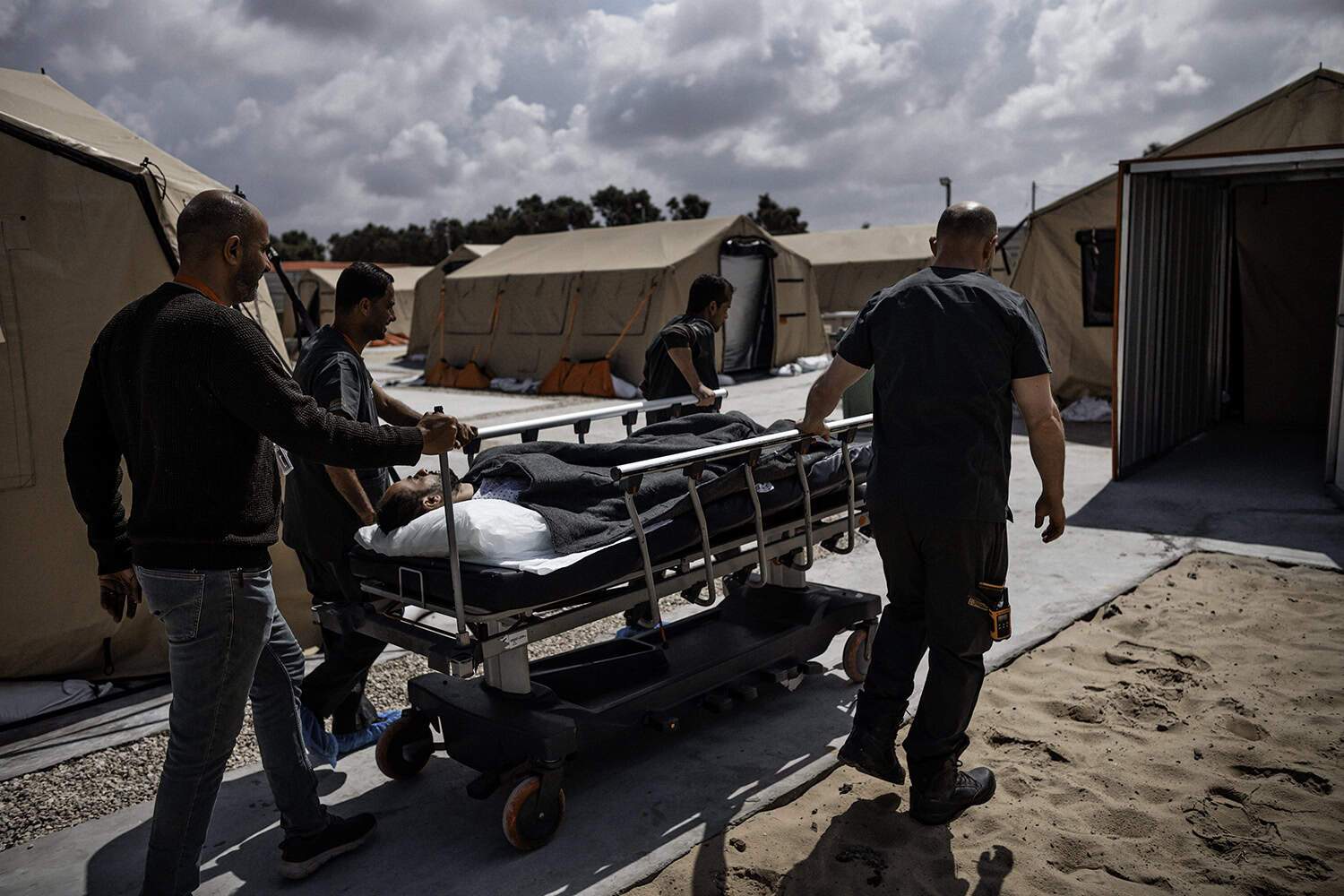
The executive director of MedGlobal, a US-based NGO speaking from Al-Mawasi in southern Gaza, said: “There is a shortage of staff. There aren’t enough ambulances. The entire health system is still on its knees, and there are critical shortages across all areas.”
Gaza’s Ministry of Health has reported more than 300 deaths from Israeli attacks since the ceasefire began, and doctors say many people are suffering from malnutrition, harsh weather conditions, lack of shelter, and the spread of new diseases.
The first phase of the ceasefire agreement—which led to the partial withdrawal of Israeli forces from roughly half of Gaza and the return of all Israeli detainees—is now nearing completion.
The next phase, bolstered by Monday’s UN Security Council approval of Donald Trump’s 20-point plan for Gaza, calls for the establishment of a committee to administer the devastated territory under the ultimate authority of the US president, alongside the deployment of an international force.
Ongoing Israeli violence in Gaza has placed the ceasefire under pressure.
Rami Mehna, director of Al-Shifa Hospital, said that one of Israel’s Saturday attacks targeted a vehicle, killing 11 people and injuring more than 20 in Gaza City’s Rimal neighborhood.
Medical officials said that a strike on a home near Al-Awda Hospital in central Gaza killed at least 3 people and injured 11, while another attack on a home in Deir al-Balah killed 3 people, including a woman.
Many of the victims were transferred to Nasser Hospital, the largest of the 13 main medical centers still functioning in Gaza.
Saqr said: “During the latest attack, we received 12 martyrs—among them four children and two women. Out of the 24 injured, 18 were women and children. We feel as though we are still in the midst of war; nothing has really changed. The situation is extremely difficult.”
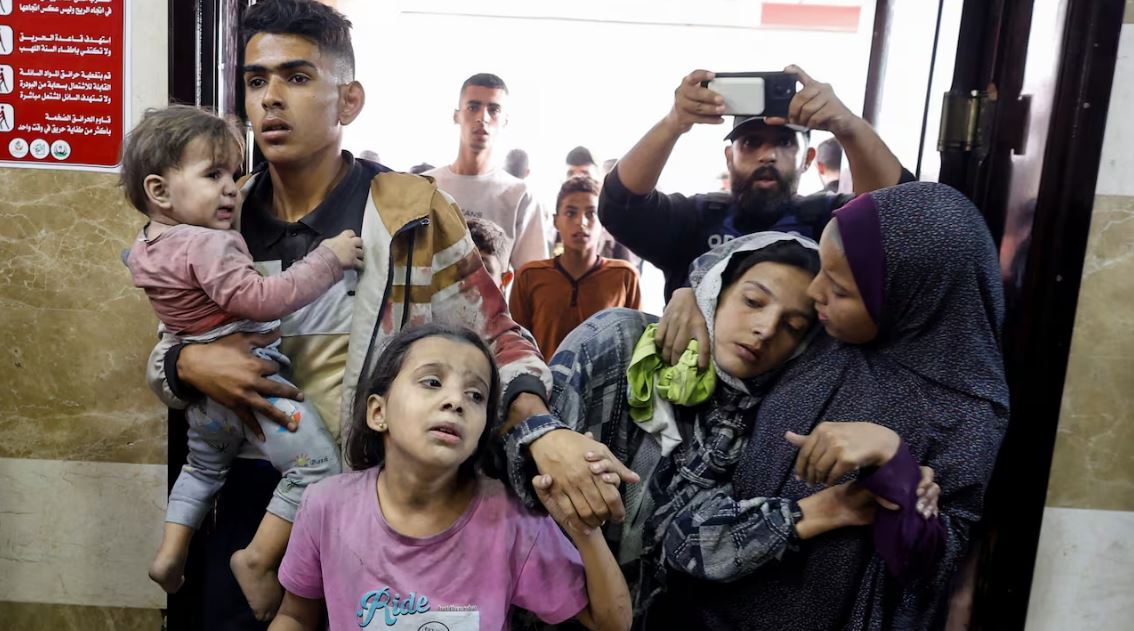
Doctors Without Borders said in a statement that its teams working in mobile clinics in Gaza City and Khan Younis treated at least six patients—including a 15-year-old boy and a 71-year-old man—who had been wounded by Israeli airstrikes and shelling.
The UN World Food Programme said on Friday that although more food has entered Gaza since the October ceasefire, the quantity still falls short of the enormous humanitarian needs, especially since winter rains threaten to spoil delivered food supplies.
The MedGlobal director said: “We have seen malnutrition stabilize at high levels. The World Health Organization has had limited success in delivering medicine and medical equipment to Gaza.”
COGAT, the Israeli Defense Ministry unit that controls the entry of trucks into Gaza, claimed last week that aid continues to flow, with hundreds of trucks delivering food, medical supplies, and shelter materials daily.