Revealing Israel’s use of cluster munitions in southern Lebanon
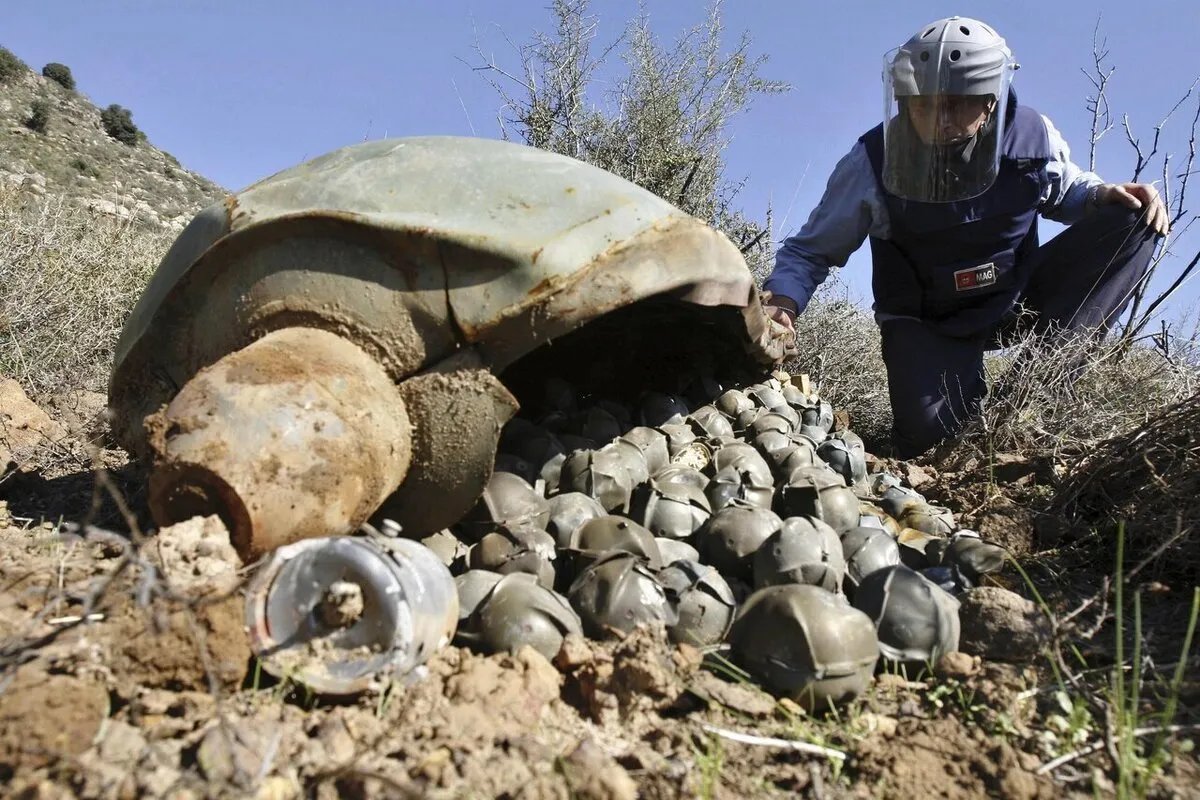
According to the investigation, newly obtained evidence confirms that the Israeli occupation army has deployed new cluster munitions in southern Lebanon, prompting warnings from rights organizations about the dangers these weapons pose to non-combatants.
Cluster bombs are a type of ammunition that explode in the air and scatter dozens of smaller bomblets over an area as large as several football fields. The main danger is that many of these sub-munitions fail to detonate on impact and instead become landmines that can explode with the slightest contact, threatening civilians for years to come.
According to the report, images reviewed by six weapons experts show remnants of two new types of cluster munitions found in three locations south of the Litani River: Wadi Zbqeen, Wadi Barghaz, and Wadi Deir Seryan.
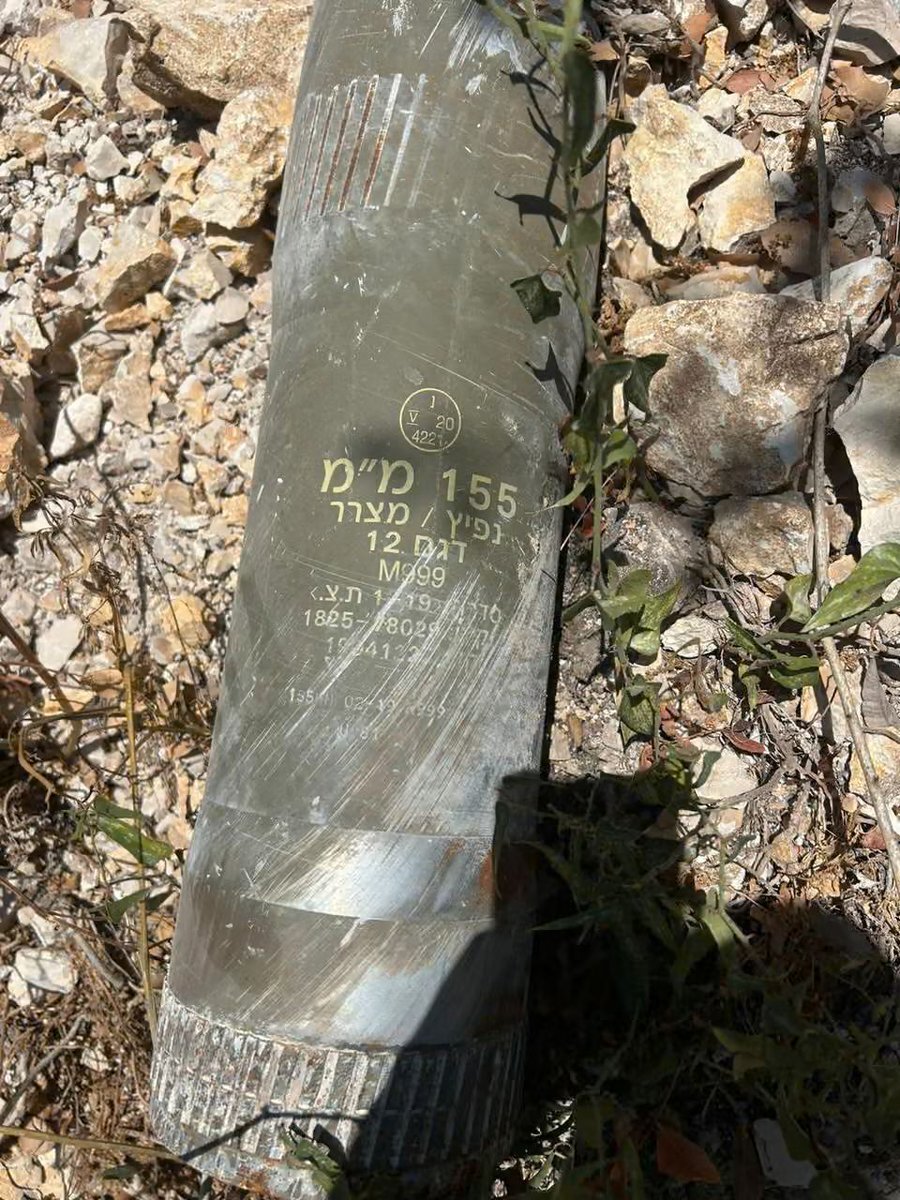
These findings represent the first documented evidence of Israel using cluster munitions in Lebanon since the 2006 war. It is also the first time it has been confirmed that two new types of weapons—155mm artillery shells and 227mm rockets—have been deployed.
The Guardian notes that 124 countries have joined the Convention on Cluster Munitions, which bans the use, production, and transfer of these weapons. Israel is not a signatory to the convention.
Tamar Gabelnick, director of the Cluster Munition Coalition, stressed that the use of such weapons “is always incompatible with respecting international humanitarian law,” because “they fail to distinguish between civilians and combatants and leave deadly effects for decades.”
Lebanon has a painful history with this type of weapon. In the final days of the 2006 war, the Israeli army fired around four million cluster bomblets into Lebanon, and it is estimated that nearly one million of them failed to explode.
These unexploded munitions continue to pose a major threat in southern Lebanon and have caused more than 400 casualties since 2006. This tragedy was one of the key motivations behind the drafting of the Cluster Munition Convention in 2008.
Verified images show remnants of the “M999 Barak Eitan” munition, an anti-personnel weapon produced by Elbit Systems in 2019. Each shell releases nine sub-munitions, which fragment into 1,200 pieces of shrapnel upon detonation.
Its identification has been confirmed by six weapons experts, including Brian Castner of Amnesty International and analysts from Armament Research Services, a specialist weapons analysis organization.
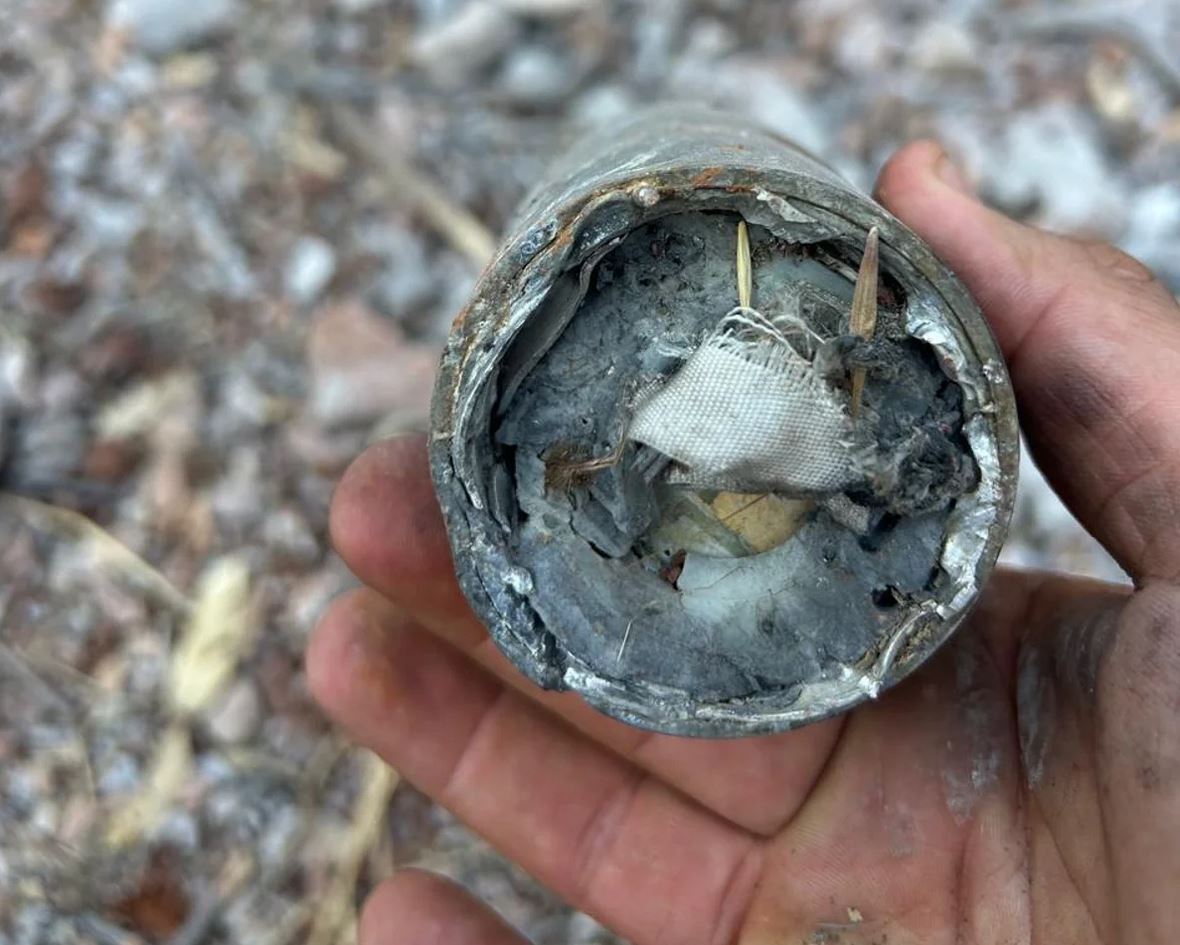
Five other weapons experts also identified the second weapon as a cluster munition. Analysts, including N.R. Jenzen-Jones, believe it to be a guided rocket known as “Ra’am Eitan,” designed by Elbit Systems and produced in 2017.
Israeli media report that these rockets contain 64 sub-munitions “that spread over a large area and kill anyone within the blast zone.”
According to Israeli media, both of the new munitions were designed to reduce the number of unexploded bomblets, and it is claimed that the Ra’am Eitan rocket has a failure rate as low as 0.01%.
However, rights organizations emphasize that there is fundamentally no way to use cluster munitions in a manner that eliminates risks to civilians.
Castner stated: “These weapons are internationally banned because of their inherently indiscriminate and uncontrollable effects. There is no legal or responsible way to use them, and civilians will bear the deadly consequences for decades.”