The lasting impact of Iran’s missile strikes in central Tel Aviv
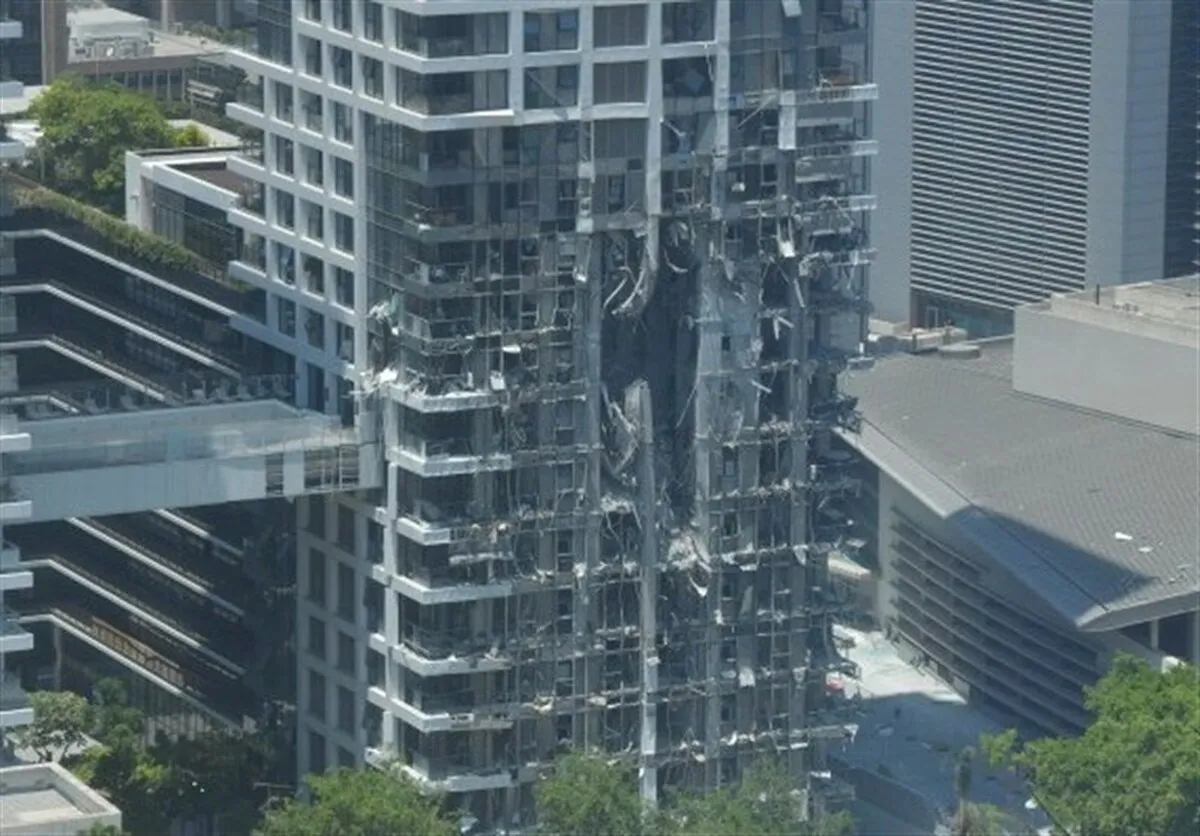
The Israeli newspaper Maariv, in a report on the latest conditions of the destruction left from the 12-day war in central Tel Aviv, wrote:
“The massive towers in downtown Tel Aviv, which were struck and damaged during the war, remain in the same state, with no sign yet of repair.”
The report adds: “The two towers, which were severely damaged by Iranian missile strikes during the 12-day conflict, continue to display their destruction to passersby.”
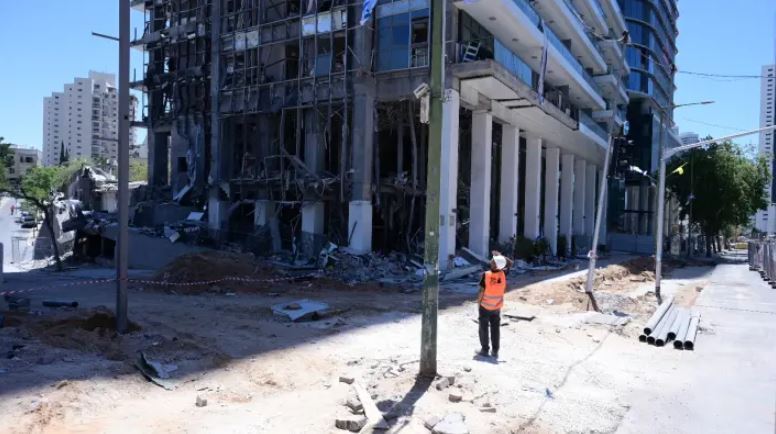
These two towers, visible from Jabotinsky Street in Ramat Gan and Leonardo da Vinci Street in Tel Aviv, are still far from reconstruction or returning to normal conditions.
The damage inflicted on the two buildings is extensive and remains clearly visible months later, while comprehensive repairs have not yet begun.
Maariv noted that reconstruction is expected to start after necessary funding is secured through the Israel Property Tax Authority, and the rebuilding process is likely to take several months.
At the Jabotinsky Street tower in Ramat Gan, some tenants have not yet removed heavy belongings from their apartments since it is not possible to do so.
A tenant on the 21st floor of the Jabotinsky tower said: “I was only able to take the things that fit into a backpack. I couldn’t remove heavy data-x-items like cabinets or furniture, and they are still inside the apartment.”
He added: “I rented another apartment and I don’t think I will return to the tower, although I still hope I will be able to remove my large belongings.”
Although the debris has been cleared from the complex, reconstruction has still not begun. Architectural plans for rebuilding have already been prepared, but cannot be implemented until the property tax budget is allocated—in other words, the rebuilding plan has been approved, but there is no funding to carry it out.
Given the enormous financial cost—estimated at least in the tens of millions of shekels—the Property Tax Authority explained that proposals are being examined and a decision on funding will follow.
The effects of the 12-day war are also clearly visible at the Leonardo Da Vinci Museum, where repairs have not begun either.
Since the towers are very tall—in both Ramat Gan and Tel Aviv—it was decided not to demolish and rebuild them from scratch.
A government body will provide funding for the comprehensive restoration of the buildings, which may cost tens of millions of shekels per tower.
The Property Tax Authority, a branch of the Tax Administration, will fund the project, as it has already processed thousands of claims for property damage in various degrees during the war.
In response to Maariv’s inquiries, the authority admitted: “The Jabotinsky and Da Vinci towers have suffered significant and even severe damage, and therefore the process of selecting the best proposal carries major financial implications.”
It added: “We are currently reviewing multiple proposals and will make a decision soon, after which the reconstruction work will begin. Debris removal at the Jabotinsky tower is currently underway.”
The response also stated: “From the day residents of both buildings were evacuated from the hotels where they were staying after the damage, they were provided with alternative housing for one year.”
These details come at a time when Hebrew-language media outlets are still prohibited from publishing full information regarding the damage and casualties inflicted on the Israeli regime during the war.