From Dublin to Berlin, a tougher Europe emerges for those seeking safety
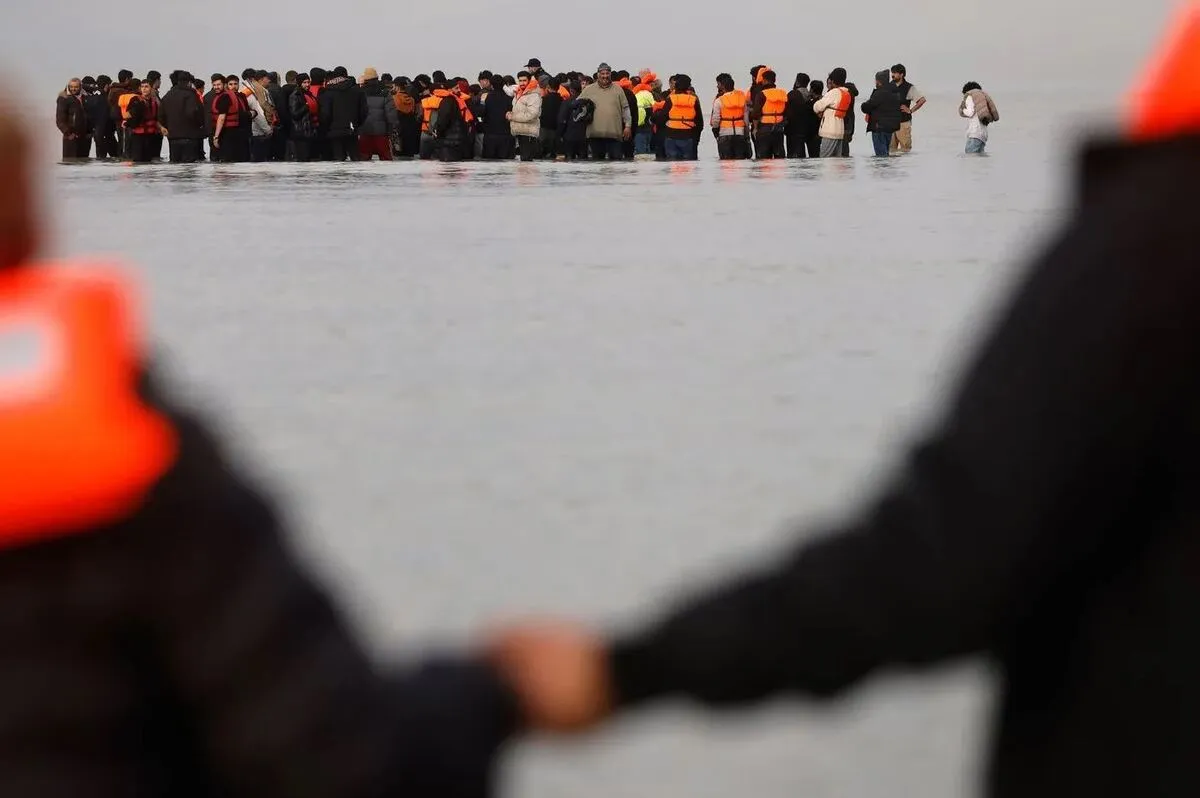
On Monday, 17 November, the UK government proposed sweeping changes to its asylum policy. Britain is the latest European country to introduce stricter immigration laws in recent years.
In May, nine countries—Italy, Denmark, Austria, Belgium, the Czech Republic, Estonia, Latvia, Lithuania, and Poland—called on the European Union to make deportations easier for member states.
Several European governments have also expressed frustration with the way the European Court of Human Rights applies the European Convention on Human Rights to block deportations, urging reforms to limit its scope.
Denmark
Denmark—which served as a model for the UK’s proposed overhaul—grants only temporary protection to asylum seekers. This status is regularly reviewed and can be revoked if conditions in the country of origin are deemed safe. Denmark also links state support to integration and participation requirements and has extended the timeline for obtaining citizenship.
France
France’s 2024 immigration bill—considered the toughest in decades, featuring measures to restrict family reunification, limit welfare access, and tighten birthright citizenship for migrants—was heavily criticized in January 2024 after the Constitutional Council struck down many of its most restrictive provisions on procedural grounds.
Germany
Germany, which handles some of the highest numbers of asylum applications in the EU, has tightened its asylum laws as well. The reforms speed up application processing, expand the list of so-called “safe countries” to ease rejections and returns, and simplify deportations of rejected applicants and certain foreign offenders.
Greece
In July, Greece temporarily suspended asylum processing for migrants arriving by sea from North Africa for at least three months and strengthened border controls with new fencing and increased maritime patrols.
Ireland
Ireland has introduced legislation to reform its asylum system with the aim of speeding up decisions and appeals. Under a new migration strategy planned for 2026, tougher policies are expected. The government has also reduced the length of time Ukrainian refugees may stay in state accommodations from 90 days to 30 days; around 216,000 Ukrainians are currently housed in state facilities.
Italy
Italy has toughened its migration laws and signed an agreement with Albania to transfer migrants detained at sea to processing centers outside Italian territory. Though the agreement faces legal challenges, it is expected to become operational in 2026 alongside the EU’s new migration pact.
Rome has also extended the detention period for undocumented migrants to 18 months, restricted NGO sea-rescue operations, and limited access to special humanitarian protections. At the same time, it has introduced fast-track asylum procedures for individuals from so-called safe countries, aiming to speed up rejections and increase deportations.
The Netherlands
The Dutch parliament is reviewing a package of reforms to toughen asylum rules by tightening eligibility requirements, reducing residence permits to three years, and restricting family reunification. The proposal was drafted by the previous government before its collapse in July, and major political parties continue to support stricter refugee controls.
Portugal
In June, Portugal’s parliament backed a bill doubling the required residency period for most foreigners seeking citizenship—from five to ten years—and tightening citizenship criteria. Lawmakers also approved amendments to the migration law that impose stricter conditions on family reunification. These changes are awaiting review by the Constitutional Court before implementation.
Sweden
Sweden is significantly increasing financial incentives for migrants to return to their home countries, raising return payments from 10,000 to 350,000 kronor (about $37,000). The government also plans to tighten citizenship rules by adding language and longer residency requirements, and is examining whether Swedish passports can be revoked from dual nationals convicted of serious crimes