Unknown minefields: The unseen nightmare of Gaza civilians
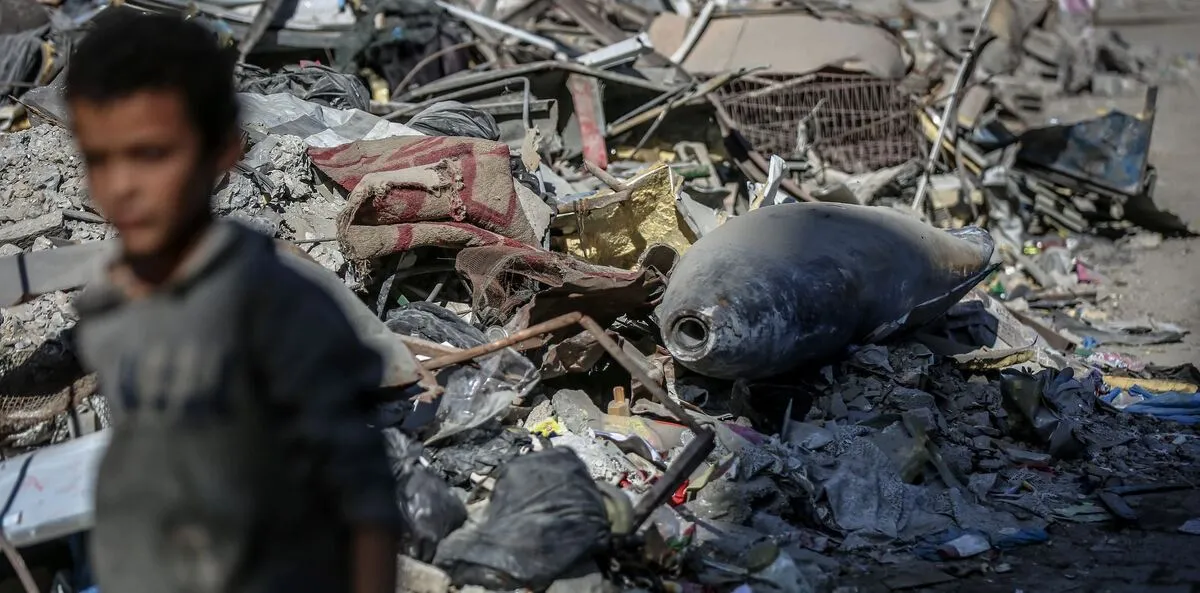
Over the past months, human rights organizations have recorded multiple explosions caused by leftover unexploded ordnance. This issue is considered a clear violation of international humanitarian law.
Safa News Agency reported on the situation of unexploded bombs in Gaza, noting that according to United Nations and humanitarian agency reports, the volume of unexploded munitions in the Gaza Strip is estimated at over 7,000 tons. These munitions are scattered across approximately 40% of residential neighborhoods, with more than 3,000 tons concentrated in Beit Hanoun, Beit Lahia, and Jabalia in northern Gaza.
De-mining teams in Gaza are confronting a complex set of problems, making their mission one of the most difficult humanitarian operations in the world. These challenges stem largely from strict restrictions imposed by Israel on the entry of experts and necessary equipment, which also prevent local residents from receiving training to protect themselves from these explosives.
Unknown minefields: A constant threat
Ismail Al-Thawabteh, Director-General of the Hamas Information Office in Gaza, stated that large quantities of unexploded ordnance remain in the Gaza Strip, posing a serious threat to civilians.
Al-Thawabteh noted that over 20,000 unexploded bombs and munitions are buried under rubble or on the rooftops of Gaza homes. He warned that every destroyed area has effectively become an unknown minefield, threatening civilians’ lives and endangering rescue and reconstruction efforts.
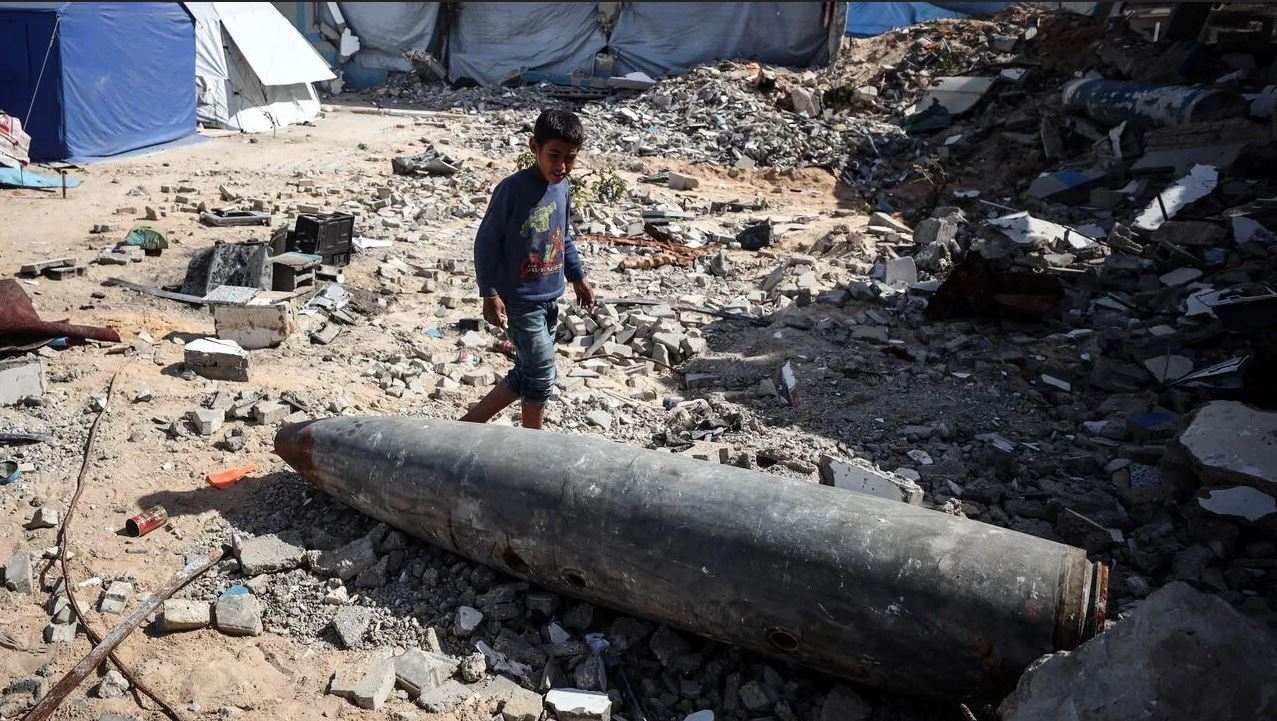
He also highlighted that 43 civilians have already lost their lives due to the detonation of these unexploded munitions. The immediate and long-term dangers include sudden explosions, lethal shrapnel, and disruptions to the work of medical and rescue teams. Children, displaced persons, and workers seeking to meet their daily needs are among the most vulnerable.
Palestinian sources indicate that clearing this volume of unexploded ordnance could take 20 to 30 years. Al-Thawabteh emphasized that mapping and clearance operations require advanced equipment, skilled and trained personnel, geographic surveying, and long-term funding.
He stressed that Israel, citing security reasons, imposes restrictions on demining and clearing operations, but such measures will have severe humanitarian consequences.
Call for immediate international assistance
Salah Abdul-Aty, President of the International Organization for the Protection of Palestinian Rights (HASHD), said that the presence of over 20,000 unexploded mortars in the Gaza Strip poses a serious threat to civilians, particularly children, who have been the primary victims, with dozens killed or injured.

Abdul-Aty added that the intervention of specialized technical teams for the safe clearance and neutralization of these bombs, in collaboration with humanitarian and international organizations, is an urgent necessity. Such action is required to ensure civilian protection, allow residents to return to normal life, restart the reconstruction process, and improve humanitarian conditions for displaced persons.