Israel faces growing crisis of undiagnosed soldier brain injuries
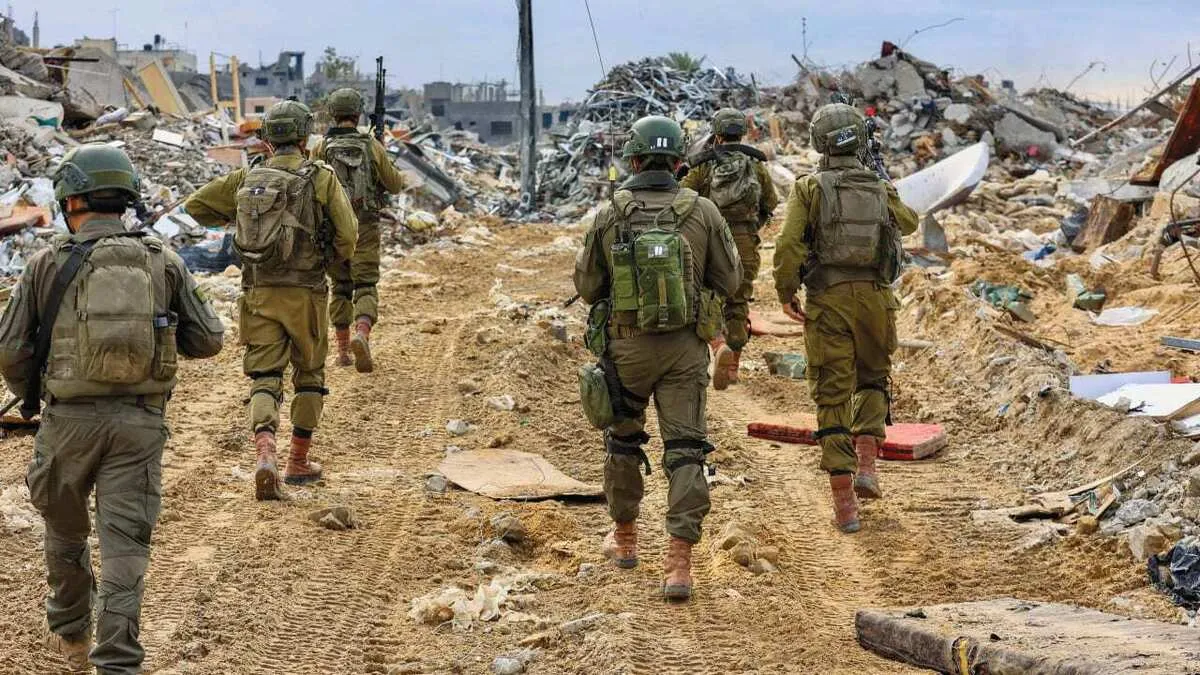
Yedioth Ahronoth reported that the Subcommittee on Human Resources and Foreign Affairs in the Parliament (Knesset), chaired by Representative Eliezer Stern, held a session on the medical treatment of soldiers who have suffered head injuries.
During this session, alarming data was presented regarding the extent of brain injuries caused by trauma, many of which are hidden and not detectable in routine imaging tests. There were also concerns that efforts to assist the wounded might decrease after the war ends.
The newspaper emphasized that the committee chairman addressed the complexities of treating brain injuries and the "risk of being forgotten," stating: "We have convened another session on head injuries, and this time we are meeting under a sort of ceasefire, but there is a risk that some will be overlooked after the war ends and attention to this issue will diminish."
Rachel Grander, director of the Brain Science Research Center at Sheba Medical Center in Tel Hashomer, presented worrying data during the session, highlighting the depth of the problem.
The data showed that out of every 10 soldiers admitted to Sheba with a normal head CT scan, seven suffer from brain injuries. It was also revealed that 94% of these brain injuries were caused by blast waves, and out of every 10 wounded soldiers transferred to Sheba by Unit 669, six showed brain injury caused by trauma in blood tests.
It is estimated that thousands of soldiers suffer from hidden brain injuries caused by trauma, as thousands return from the war with such injuries, most of which go undiagnosed. Furthermore, it appears that nearly 80% of brain injuries among soldiers, as reported by Yedioth Ahronoth, do not show up on head CT scans.
The newspaper quoted Shachar Gezundheit, CEO and founder of the Or Association for Brain-Injured Individuals and Their Families, saying: "Among all the army wounded in the war, 70% have suffered traumatic brain injuries, and during the war, another 400 have sustained brain injuries that receive no treatment."
He added: "The families of the wounded face great difficulties, and our goal is to strive for the adoption of clear guidelines for the treatment and rehabilitation of brain injuries. Today, there is no defined standard in Israel, and its absence affects the quality of treatment and the ability of the wounded and their families to return to their lives. The time has come for an organized, professional, and integrated rehabilitation path to give brain injury victims what they deserve."