Decoding the importance of Iranology in today’s era
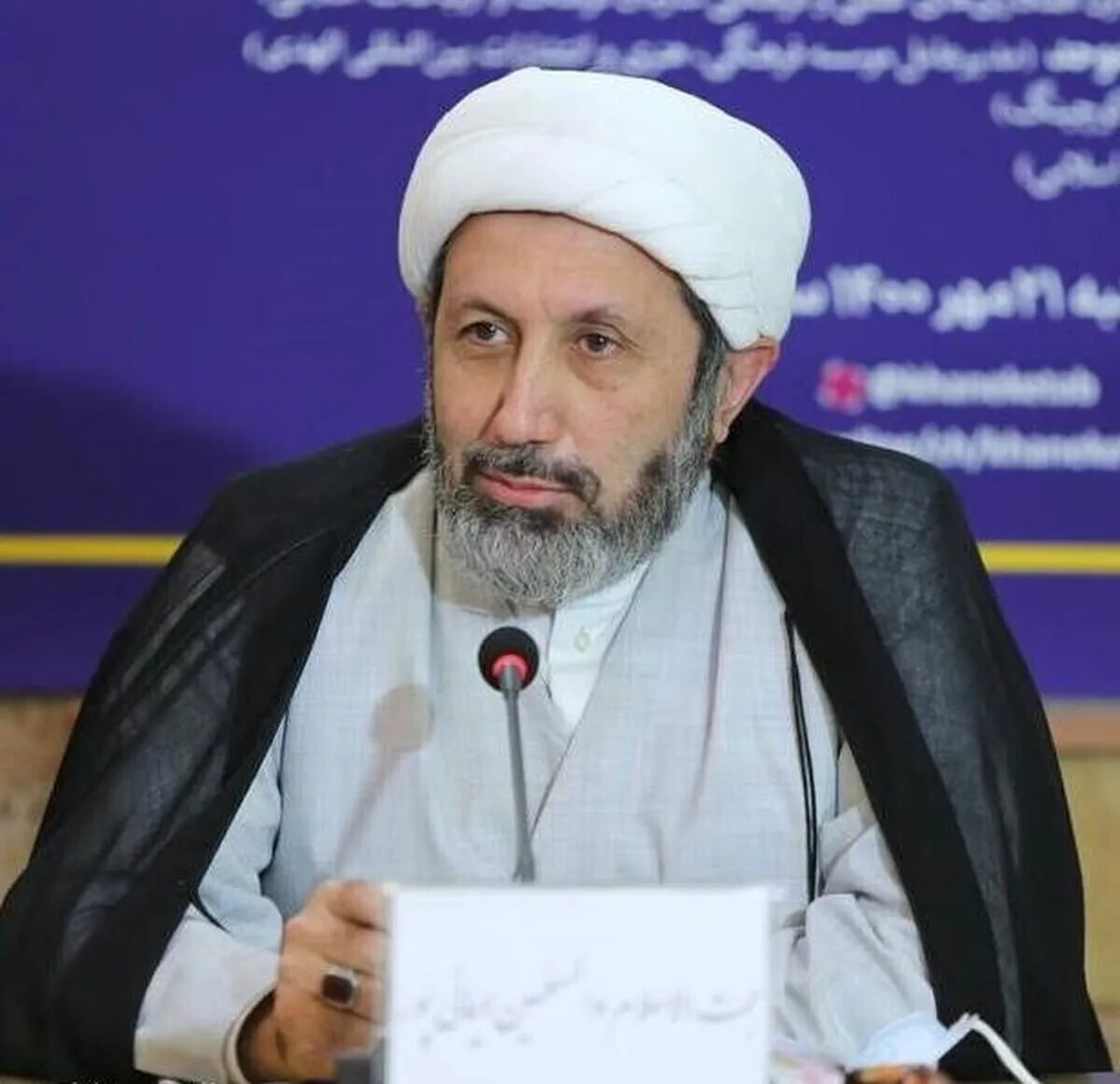
As part of my responsibility within the cultural diplomacy apparatus, I would like to highlight and emphasize a few points regarding the relationship between Iranology and cultural diplomacy.
The Iranian world is a rainbow of meaning, spirituality, compassion, and ethical values that has long been known as a civilization-shaping force in the world, grounded in a justice-seeking and virtue-oriented identity. This civilization can be explored within the domain of “Cultural Iran” or the “Iranian cultural sphere.” These characteristics have made Iran one of the centers of human civilization and a crossroads for international cultural interactions and exchanges.
The extent of this influence—and the contribution Iranians have made to human civilization—has shaped a vast geographic region, affecting areas such as the Indian subcontinent, Central Asia, Southeast Asia, and parts of Africa. Even today, it is difficult to find a nation untouched by the shared cultural heritage originating from Iranian culture and civilization. Moreover, the unique treasures embedded in Iranian culture and literature—especially the outstanding and unmatched masterpieces of poets and mystics such as Rumi, Hafez, Saadi, Ferdowsi, Khayyam, Attar, and many others—continue to attract countless admirers across the world and form a shared language grounded in innate human values.
Perhaps one major reason for the enduring attention to this cultural-civilizational center is that embracing the necessities of shared human life—based on respect, dialogue, and interaction—has always been a defining feature of the “Iranian human,” who is essentially a cultural being.
Furthermore, culture—as a manifestation of custom, ethics, knowledge, myth, religion, art, law, philosophy, industry, and other elements—has throughout Iran’s history possessed the capacity to organize common values and ideals while addressing the inner human needs that transcend geographic, religious, and ethnic boundaries.
It has provided the most important foundation for interaction and mutual understanding, as well as the pursuit of perfection, salvation, peace, and justice. Within Iranian-Islamic culture and civilization, due to its vast capacities, this has consistently served as the most suitable and effective basis for discovering pathways of cooperation among nations, contributing meaningfully to coexistence and lasting peace and security.
Today as well, Iranian-Islamic culture and its unparalleled strengths retain the ability to create convergence—particularly among intellectuals—just as in the past. In our challenging world, where distorted narratives and fabricated images have cast the shadow of war and conflict over large parts of the globe, and where the complex and multilayered realities of the international arena have hindered accurate understanding of cultural and social characteristics of societies, scholarly and expert-based approaches can play an important role. They can help cultivate a knowledgeable, realistic, and accurate understanding of nations and their cultural assets, contributing to the reduction of conflicts and paving the way for peace, justice, and shared human existence.
Therefore, Iranology—which involves understanding Iran, studying its history, literature, art, culture, ancient and modern works, as well as the study of contemporary Iran—requires a comprehensive and continuous approach, treating Iran as an integrated and inclusive whole. Research in this field highlights the necessity of scientific engagement and interaction between Iranologists abroad and those within Iran.
Iranian studies and Iranology have long been among the most significant capacities for cultural interactions and cultural diplomacy between Iran and other societies. Prominent foreign researchers and Iranologists have played a major role in transmitting, translating, and introducing Iran abroad, as well as in crafting narratives and representations of Iran.
Another important point is that today, research on Iran must, while maintaining historical continuity, avoid confining itself to past-oriented or one-dimensional perspectives. It must adopt a comprehensive outlook that encompasses multiple dimensions of Iranian studies. Iranology also has an important applied function: activating the capacities of this field to expand cultural relations and clarify the realities of the Islamic Republic of Iran to other societies.
Additionally, from a forward-looking perspective, attention must be given to the role and contribution of contemporary Iran in shaping the future world. It is clear that, just as Iran had a brilliant past, it will also play an influential role in shaping a bright future. Thus, establishing mechanisms for sustained interaction between Iranologists inside and outside Iran—and creating joint think tanks to foster mutual understanding and alignment for synergistic cooperation—is essential. This conference must give due consideration to this need.
Establishing effective mechanisms for ongoing, stable interactions between Iranologists and academic institutions involved in Iranian studies can contribute to generating and expanding shared discourses and common values. This will help build regional and international consensus and find joint cultural and scholarly solutions to the challenges present in international cultural arenas. The inspirational and influential potential of Iranology—due to its role in presenting an accurate narrative of Iran—can strengthen convergence, alignment, and collaboration.
The Islamic Culture and Relations Organization, given its mission and significant role in this area, is responsible for facilitating such interactions between academic communities engaged in Iranian studies within Iran and abroad, and can create suitable opportunities for scientific, educational, and research cooperation.
It is hoped that the International Iranology Conference and its planned academic sessions across various universities will provide an innovative approach to Iranian studies, expand cooperation between Iranology centers inside and outside the country, and help outline a clearer horizon for the future of Iranology—particularly through greater attention to contemporary Iranian studies and developments in Iran after the Islamic Revolution.