Araghchi: Requests for negotiations with Iran have begun
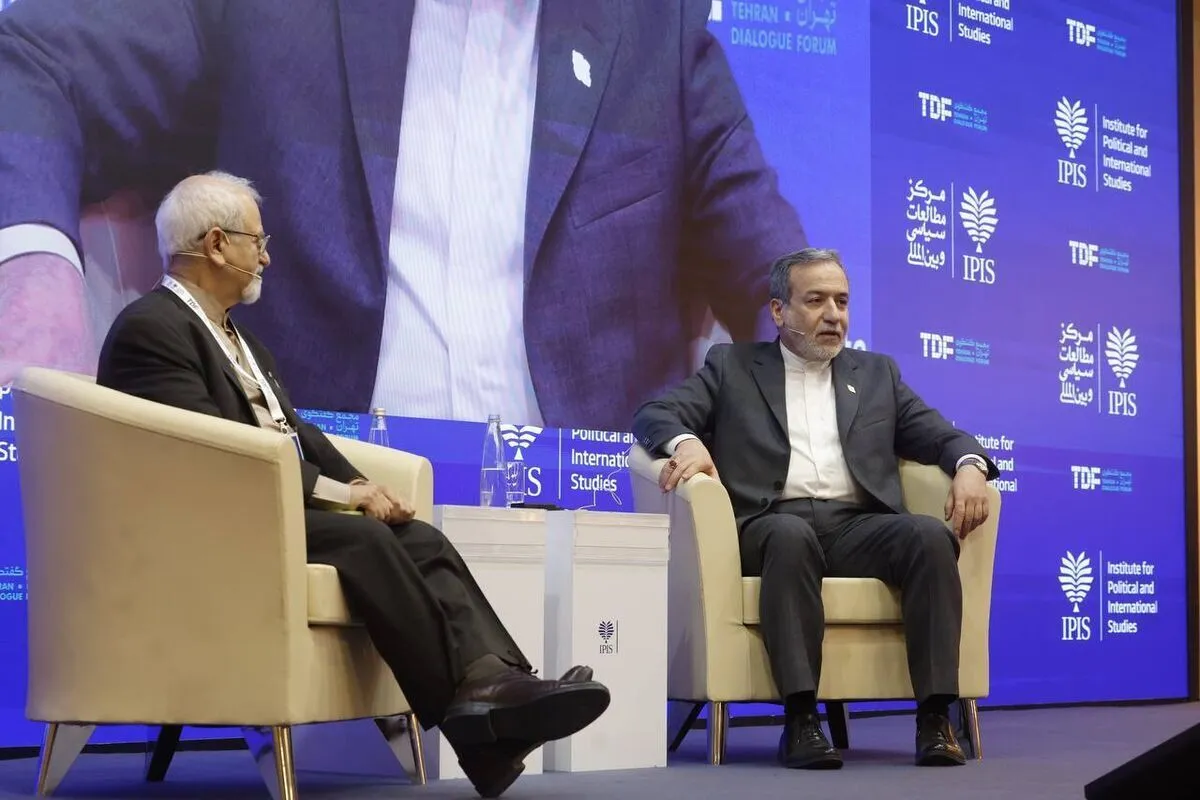
Following his keynote speech at the international conference “International Law Under Attack: Aggression and Defense,” Seyed Abbas Araghchi participated in a panel chaired by senior Iranian diplomat Seyed Mohammad Kazem Sajjadpour, where he addressed several questions.
In response to a question about his outlook on diplomacy and negotiations, the Foreign Minister said: “The recent military attack on Iran—which was, in effect, an attack on diplomacy—demonstrated that there is no alternative to diplomacy. None of Israel’s or America’s objectives were achieved.”
He added: “One of their goals was to destroy Iran’s nuclear program. While facilities might be damaged, technology can never be erased by bombs. Moreover, requests for negotiations have now begun again. This is natural, because their objectives were not met militarily. Negotiations, however, have a framework.”
The senior Iranian diplomat continued: “Iran has never left the negotiating table, and the Islamic Republic is always prepared for dialogue. But as I said, negotiations must follow a framework.”
Araghchi said: “We have never betrayed negotiations; it was the other parties who betrayed diplomacy. I believe diplomacy can still survive and remain the ultimate path to resolving disputes.”
He stressed: “In my view, diplomacy can remain alive. Diplomacy is the final option. But diplomacy must follow its own framework. The Islamic Republic of Iran remains committed to peaceful solutions and dialogue—especially for resolving regional issues.”
In response to a question about the impact of the second imposed war on Iran’s national pride and on post-war shifts in Iran’s domestic and foreign policy, Araghchi said: “Given the momentum that has begun in Iran, I see a very bright future for the Islamic Republic. In reality, we successfully passed through a very intense war. Israel’s objectives were not achieved at all. In the early days they demanded Iran’s unconditional surrender, but by the end they were calling for an unconditional ceasefire. This reversal happened because of Iran’s capabilities. From the very first hours, Iran restored its defensive readiness, and that capability expanded daily. Israel’s skies were under the reach of Iran’s missiles. Iran emerged from this war successfully.”
He added: “Iran’s nuclear technology remains intact. Any damaged facility can be rebuilt.”
Araghchi continued: “A few months after the 12-day war, our defensive strength is now greater than before June 12. All our capacities have been restored. We learned many lessons from the war; we clearly identified our strengths and weaknesses—and those of the enemy. If such a war were to happen again, we would defend ourselves better and stronger than before. And this very readiness is what prevents war.”
He added: “The 12-day war was the result of a miscalculation by the enemy. They believed Iran could not defend itself. Now we are stronger than before, and this readiness is a major deterrent against a new conflict.”
Araghchi stated: “Sanctions have certainly caused costs and damage, but they have never limited Iran’s capabilities. Iran has the ability to overcome these challenges. The United States and others must understand that there is no solution to issues with Iran except diplomacy—and speaking to the Iranian people in the language of respect and dignity. As we have shown before, if one speaks to the Iranian people with respect, negotiations will succeed; but if they use another language, we will respond accordingly. After the 12-day war and the JCPOA, we now have two experiences: in one, the world celebrated diplomatic success, and the United States betrayed it; in the other, there was war, and Iran responded in the same language. Iran is prepared for both paths.”