Playing with fire: The Zionist regime’s dangerous escalation
The Secretary-General of Hezbollah, in a ceremony marking Martyr’s Day, highlighted several critical points and realities regarding the latest developments in the Land of the Cedars.
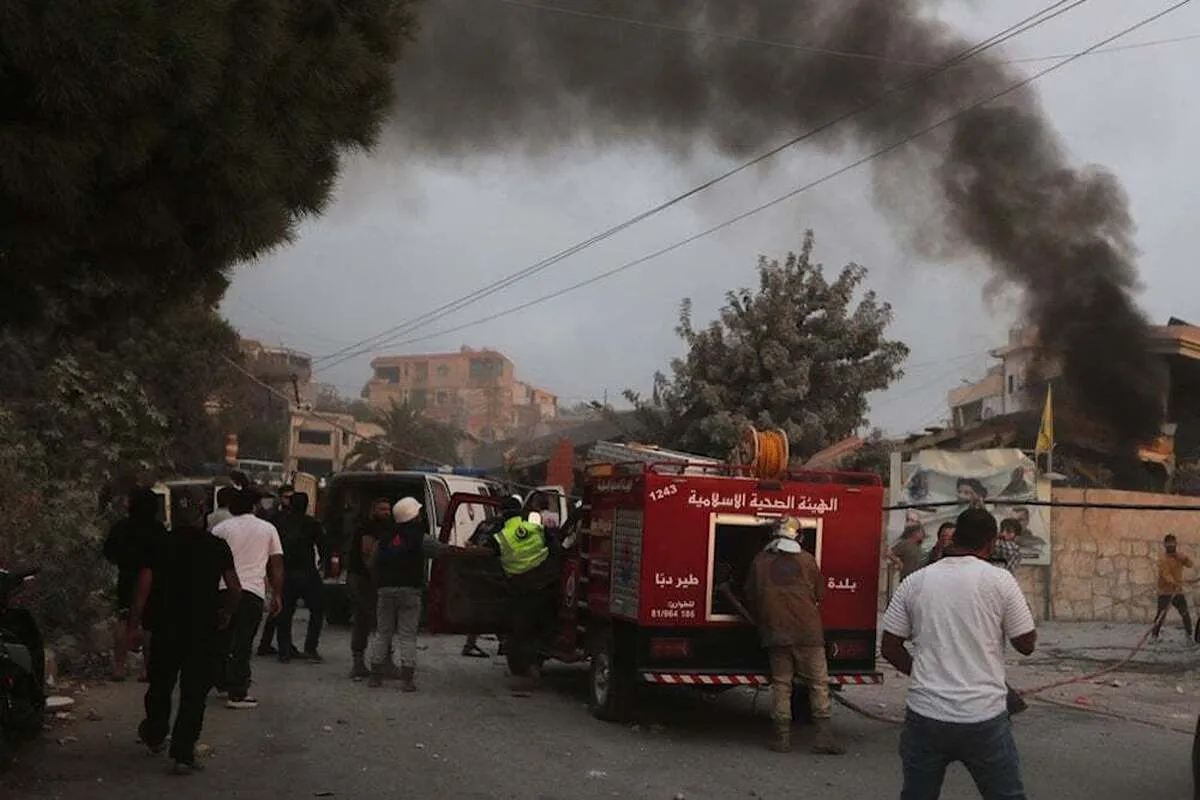
In his speech, Sheikh Naim Qassem stated that the Zionist regime has targeted homes, vehicles, and civilian lands, destroying life along the border areas. Since the Lebanon ceasefire agreement, 130 days have passed, during which 717 civilians—including children, women, men, and resistance fighters—have been martyred.
Meanwhile, Hezbollah has undertaken no action that violates the ceasefire. Thus, the past and present reality is clear: it is Israel that continues its aggression.
He also stressed that those inside Lebanon who refuse to defend their own citizens or deny Israel’s hostility are in fact serving the interests of the United States and the Zionist regime.
There are several important points within Sheikh Naim Qassem’s remarks that cannot be overlooked:
1. Hezbollah’s strategic vigilance and limited patience
Despite closely and intelligently monitoring the movements of the Zionist enemy, Hezbollah has never adopted a passive approach toward these provocations.
Sheikh Naim Qassem’s recent statements clearly illustrate this. As Hezbollah officials have repeatedly emphasized, the movement’s strategic and operational patience toward the Israeli occupation is not unlimited. When that patience runs out, there will be no room left for the toxic presence of Israeli forces in southern Lebanon.
The structural, logistical, and human rebuilding of Hezbollah after the martyrdom of Sayyed Hassan Nasrallah and Hashem Safieddine—two of the movement’s key leaders—is an undeniable reality, one the Zionist enemy has been unable to conceal its growing concern about in recent weeks.
Moreover, the Lebanese people, through massive displays during the anniversary commemoration of Sayyed Hassan Nasrallah and through ground-level surveys and public sentiment, have demonstrated their absolute allegiance to the Lebanese resistance and its arms.
2. The fate of Washington and Tel Aviv’s proxies in Lebanon
Another point concerns the fate of the Zionist regime’s and America’s political pawns in Lebanon. Individuals such as Samir Geagea, the former Phalangist leader and an official asset of Tel Aviv in Beirut, still fail to grasp the consequences of aligning themselves with the blood-soaked enemies of the Lebanese people and the region.
Furthermore, Lebanese President Joseph Aoun and Prime Minister Nawaf Salam have repeatedly acknowledged that even with Hezbollah’s current tactical restraint and decision to avoid entering direct confrontation, Israel continues to violate the ceasefire relentlessly. International organizations—chief among them the United Nations—have taken no meaningful action to curb this regime’s aggression and brutality.
Under such circumstances, the fate of the Zionist regime and its loyal instruments in Lebanon is now clearer than ever before.