A ticking time bomb in Albania: The troubling reality of Monafeghin’s camp Ashraf-3
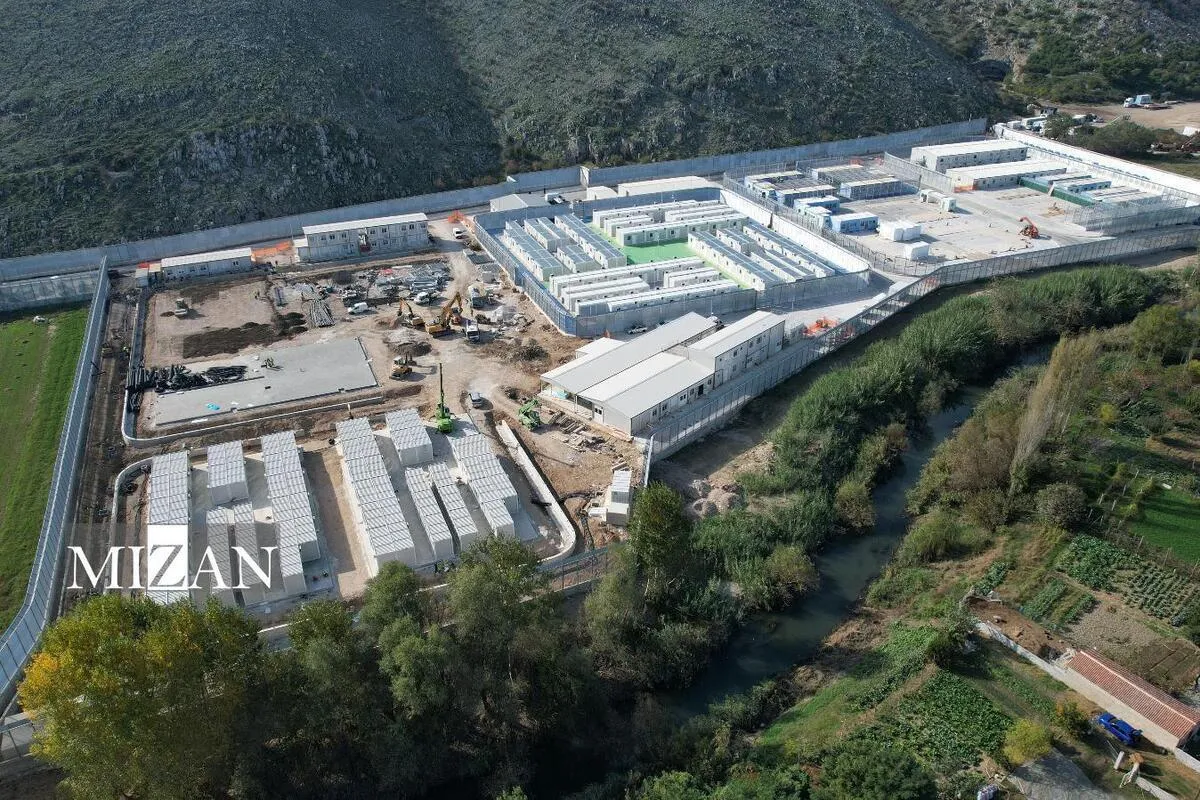
The Italian outlet marx21, in a report authored by researcher Maria Morigi, examines the Monafeghin terrorist organization. The report contains important information on what is happening inside the group, and particularly within Camp Ashraf-3 in Albania.
Below are selected excerpts from the report:
Camp Ashraf-3, located in the Albanian town of Manëz, is a “city of exiles” spanning nearly 40 hectares and surrounded by tall walls. It houses some 2,500 people and is governed by strict internal rules enforced by a cult-like organization that deprives ordinary members of family life.
To better understand the horrific conditions inside Ashraf-3, it is important to note that the group—founded in the 1960s—gradually morphed into a radical, cultish, anti-Iranian entity whose terrorist operations have been confirmed to have killed at least 17,000 Iranian citizens, including scientists, politicians, academics, and ordinary civilians.
The Monafeghin fought alongside Saddam Hussein during the Iran–Iraq War (1980–1988). Until recently, the group was designated by the United States as a Foreign Terrorist Organization.
In 2003, the Monafeghin claimed that it had abandoned what it called armed struggle and had become a supporter of human rights. As a result, Albania granted the group official asylum in 2013. However, the most striking issue is the group’s double standards.
While Monafeghin leaders keep their ordinary members in harsh, restrictive conditions, they themselves live in extreme luxury in Paris, where they enjoy political protection.
Meanwhile, inside Ashraf-3, rank-and-file members endure rigid militarization without phones or access to news, lack flexible work schedules, and often suffer from sleep deprivation and illness.
For over a decade, Albania has served as a refuge for exiled Monafeghin members. What initially appeared to be a humanitarian gesture by the Albanian government has now become a serious security concern that is effectively beyond Tirana’s control.
Albania is urging its Western allies to investigate evidence of cyberattacks originating from within the camp as well as the crimes committed by the Monafeghin inside Ashraf-3.
In early 2023, Albanian state prosecutors accused Monafeghin members of covertly conducting cyberattacks and activities against the Iranian government. Months of online monitoring led to the discovery of a massive, hidden troll factory operating in Manëz.
In June 2023, Albanian authorities decided to intervene. On 20 June 2023, special police forces—acting on orders from a special court and armed with search warrants related to espionage and cybercrime—raided Ashraf-3. The police seized around 100 workstations and dozens of laptops, tablets, and drives, preventing Monafeghin members from destroying evidence.
Albania’s Special Anti-Corruption Prosecution Office (SPAK) formally opened investigations into “incitement to war, illegal interception of computer data, interference with computer systems,” and related crimes—a criminal case of unprecedented severity based on evidence uncovered inside Ashraf-3.
Albania had ignored warnings about the consequences of hosting the Monafeghin due to heavy pressure from the United States and the United Nations. The result is that the Monafeghin camp in Ashraf-3 has become a ticking time bomb on Albanian soil.
Western and Albanian analysts now argue that the Monafeghin has slipped out of Albania’s control and that Tirana has reached a strategic dead end in dealing with the group. Ashraf-3 has effectively emerged as a self-governing terrorist enclave that threatens regional security.
In reality, the Monafeghin -controlled area in Manëz operates outside Albanian jurisdiction: it has its own internal police, hierarchical command, and ethical code. With mounting evidence of illegal activities, Tirana is now on full alert. Roads leading to the camp have been blocked with checkpoints, and technology agencies and police forces routinely scan the network environment, as the Monafeghin is capable of hacking foreign governments.
Ultimately, this case underscores the double standards of Western policy toward Iran. The European Union—under the guise of human-rights rhetoric and accusations against Iran—has repeatedly praised Tirana for hosting the Monafeghin, removed the group from its list of terrorist organizations, and welcomed its leaders with open arms.