Specialized jihad volunteers are promoters of health equity
After the deployment of the physicians and dentists of this headquarters to various counties in Khuzestan and the services they provided to their target communities, officials in the province praised their efforts and stressed that with proper and structured planning, these groups must receive special support.
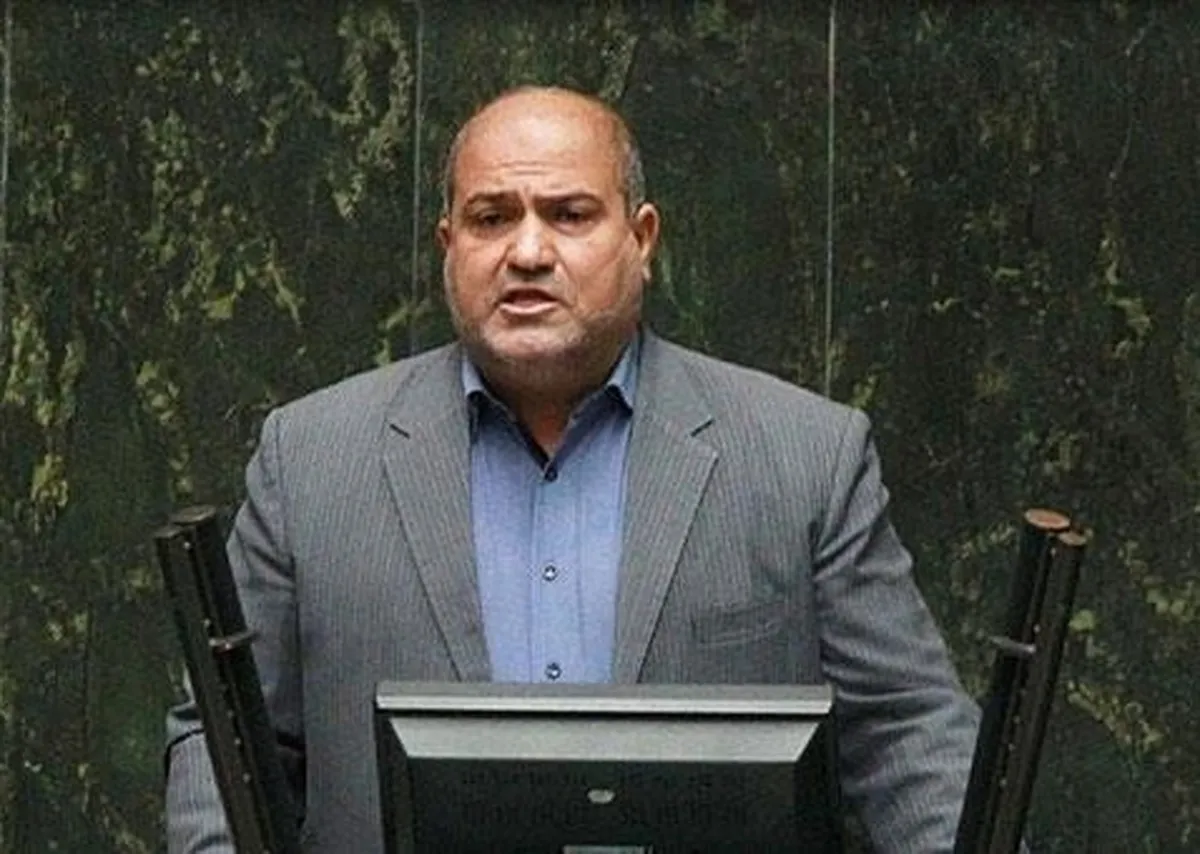
Jalil Mokhtar, the representative of the people of Abadan in the Islamic Consultative Assembly, believes that combining the political will of lawmakers for passing legislation and allocating budgets with proven technological solutions can create a significant transformation in improving healthcare in underprivileged areas and helping vulnerable families.
The MP for Abadan says: “Considering that some jihad volunteer groups offer specialized services in the field of health and medicine, drafting and approving supportive laws—such as tax exemptions, facilitating the import of medical equipment, and issuing expedited permits for these groups—is critically important. Parliament representatives can provide effective support for these jihadi groups by using their legal tools. All officials must be responsive to these groups around the clock and supply their essential needs, because these volunteers enter the field without any expectations and help lighten the burden on government organizations and institutions.”
A member of the Parliament’s Energy Committee, Mokhtar considers the designation of a dedicated budget line in the annual national budget for equipping jihad groups and expanding their activities in underprivileged regions to be the least that the Parliament should do for them.
Emphasizing that the need to support medical jihad groups is undeniable, Mokhtar stated: “The key point regarding these specialized jihad volunteers is that each of them is an asset to the country and a leader in their respective fields. Many of these specialist and subspecialist physicians earn high incomes during the week, yet they choose to forgo that and serve disadvantaged compatriots in deprived areas. To understand which jihad group has provided what services in which areas, creating an integrated health record and launching a national system for registering and monitoring these services—and accurately identifying regional needs—is essential.”
Mokhtar believes that whenever jihadi groups enter a village or deprived region, a complete report must be provided on how officials, institutions, and agencies cooperated and supported them, so that it becomes clear who is genuinely working to alleviate deprivation and reduce suffering in underserved areas.