Meeting of the Head of the Judiciary with Grand Ayatollahs Sobhani, Javadi Amoli, Makarem Shirazi, and Shobeiri Zanjani
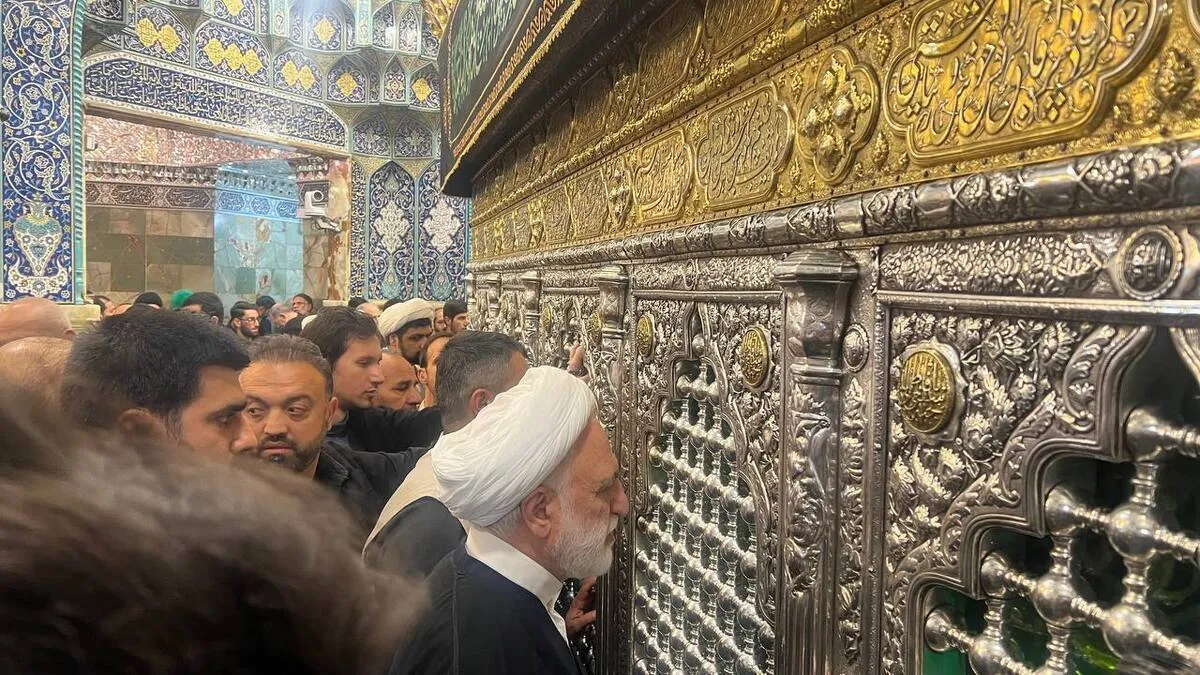
According to the Judiciary’s Media Center, Mohseni Eje’i, in his forty-sixth provincial visit since assuming office as the Head of Iran’s Judiciary, arrived this morning (Thursday, November 13, 2025 / Aban 22, 1404) in the province of Qom on an informal trip accompanied by senior judicial officials.
During this visit, the Head of the Judiciary and other high-ranking officials will pursue programs aimed at addressing the legal and judicial issues faced by the people of Qom Province.
Meetings with senior religious authorities (Maraji‘-e Taqlid), judges, and provincial officials — as well as following up on the implementation of resolutions from the Judiciary’s previous visit to Qom — are among the key data-x-items on the agenda.
Upon arrival, Mohseni-Eje’i visited the holy shrine of Hazrat Fatemeh Masoumeh (S.A.) and conversed with pilgrims, listening to and reviewing their judicial concerns.
It is noteworthy that since assuming the presidency of the Judiciary on July 1, 2021, Mohseni Eje’i has officially traveled, along with the senior judicial delegation, to numerous provinces including Ilam, Qazvin, Khuzestan, Golestan, Razavi Khorasan, Sistan and Baluchestan, Qom, Yazd, South Khorasan, Zanjan, Markazi, Isfahan, Alborz, Kurdistan, East Azerbaijan, Kerman, Ardabil, Bushehr, Hormozgan, Kohgiluyeh and Boyer-Ahmad, Chaharmahal and Bakhtiari, Semnan, Tehran, Kermanshah, Gilan, Lorestan, West Azerbaijan, Hamedan, and Mazandaran.
In addition to these official provincial trips, the Judiciary Chief has also undertaken several unofficial and unannounced visits to review local judicial issues. Provinces such as Alborz, Isfahan, Hormozgan, Bushehr, Kerman, Razavi Khorasan (twice), North Khorasan (twice), Mazandaran, Fars, Golestan (twice), Khuzestan, and Ilam have been among his informal destinations.
According to the Judiciary Media Center, during remarks at a meeting with members of the Supreme Council of the Society of Seminary Teachers of Qom, Mohseni Eje’i elaborated on several important issues in governance and legal–judicial affairs.
He stated: “The enemy is attempting to instill the idea that the Islamic Revolution has been defeated; this is part of the enemy’s strategy in the soft war. Had the Islamic Revolution been defeated, it would not have been able to devastate the American regime and its malicious follower, the Zionist regime, during the 12-day imposed war.”
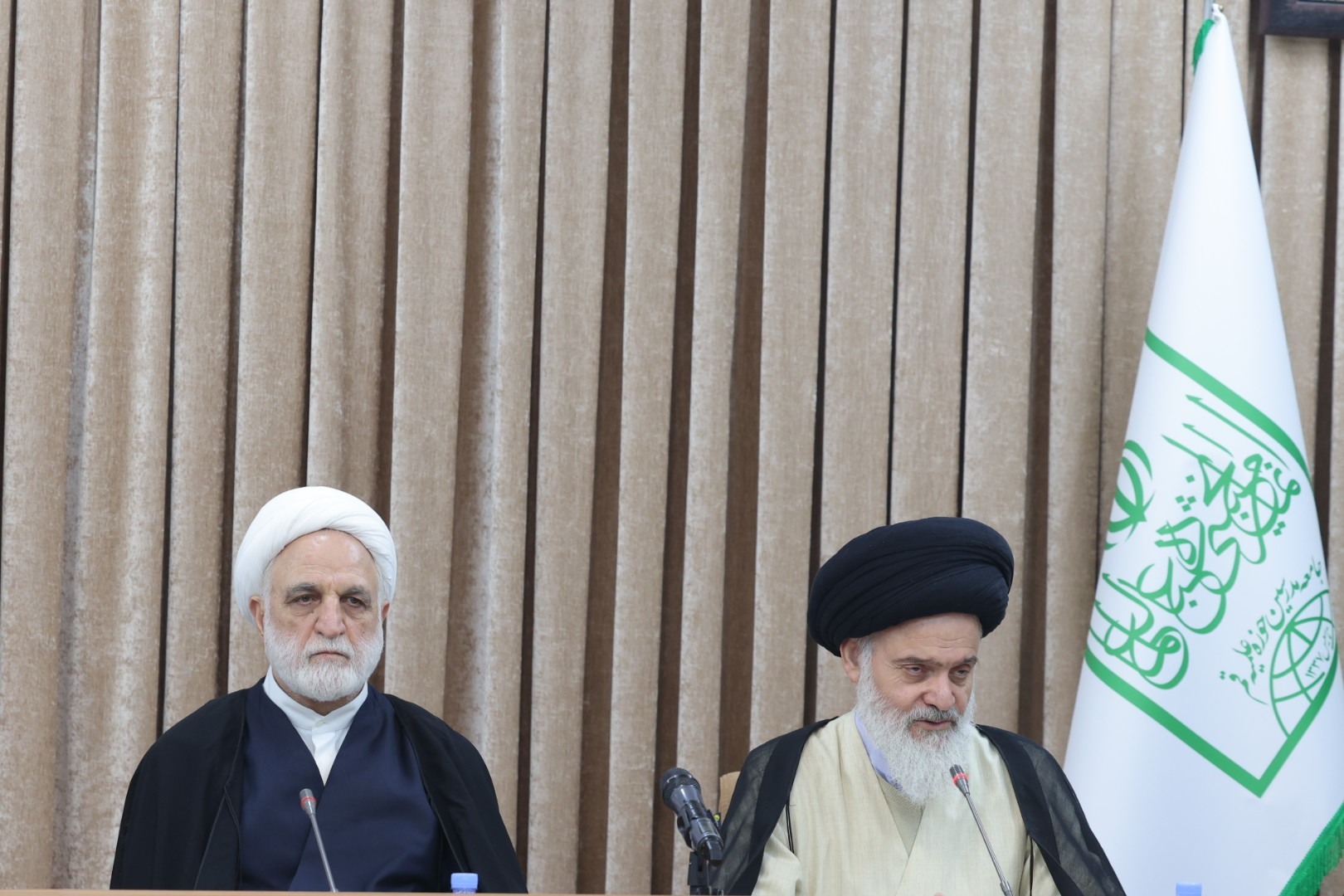
The Head of the Judiciary added: “After its defeat in the 12-day imposed war, the enemy has focused on the soft war. One of its tricks in this war is creating doubt in people’s beliefs. We must thwart this plot and conspiracy.”
He then referred to the issue of confronting social disorders, saying: “Another tactic of the enemy in the soft war is promoting social deviance, laxity, and permissiveness. In this regard, we have issued firm directives to prosecutors, obligating them to request that intelligence and law-enforcement agencies identify organized networks of norm-breaking, and as soon as the individuals involved are introduced, they must take appropriate and decisive judicial action according to the law.”
The Chief Justice went on to address economic matters—specifically the issue of Bank Ayandeh. While explaining the bank’s resolution process, he said: “Following the dissolution of Bank Ayandeh and its entry into the resolution process, on 11 October of this year, I issued a six-article directive emphasizing that the rights of all depositors, large and small, as well as the status of employees and shareholders, and the pricing of the bank’s assets must be clarified completely and accurately, and that no one’s rights be violated.”
He added that the committee overseeing the resolution process has been granted certain authorities and, overall, matters have progressed satisfactorily so far.
Mohseni Eje’i stated: “The Judiciary could have, from the very beginning, resorted to coercive measures in the Bank Ayandeh case, but such an approach would have imposed significant costs. Our strategy is to manage matters in a way that minimizes costs. Nonetheless, those who were negligent or at fault will be dealt with, and this matter is under review.”
Regarding the topic of “infiltration,” raised by one of the participants, he said: “I do not deny the issue of infiltration, but considering the broad conspiracies the enemy has devised against our country, if our intelligence and security systems were not strong, the country would have suffered devastating blows. The enemy has tasked Takfiri groups, monarchists, the Monafeghin, and other hostile elements to carry out bombings and assassinations inside the country. Yet the strength of our intelligence and security systems foils their plans.”
According to the Judiciary Media Center, during his trip to the holy city of Qom, Mohseni Eje’i visited the residence of Grand Ayatollah Shobeiri Zanjani and held a meeting with him.
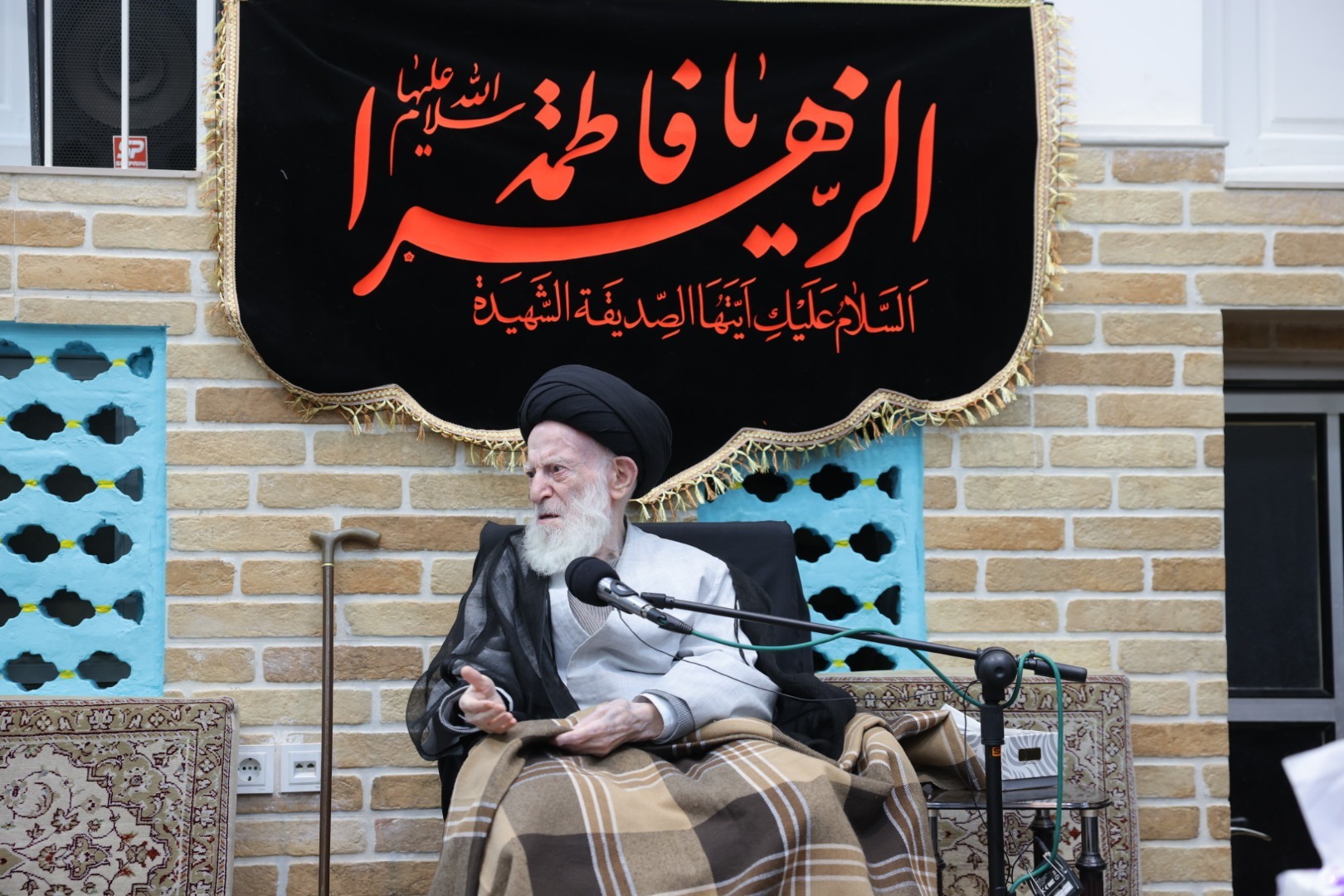
Grand Ayatollah Shobeiri spoke about the importance of reliance on Almighty God and adherence to the Ahl al-Bayt (AS) in carrying out responsibilities.
He also addressed the need for precision in judicial rulings and the necessity of resolving contradictions that sometimes appear in court judgments.
The Head of the Judiciary, in turn, presented a report on the Judiciary’s status and its recent developments, stating that the Judiciary is in need of the guidance and counsel of the grand religious authorities, scholars, and senior figures.
According to the Judiciary Media Center, in an address to the Administrative Council of Qom Province, Mohseni Eje’i referred to the failures suffered by the “arrogant front” at the hands of the Iranian people, saying: “In recent months and years, the greatest military, intelligence, and reputational blows have been inflicted on the Americans and Zionists. Today, the Zionist regime is the most reviled regime in the world. In the U.S. too, a president is in office who is widely disliked, and daily protests are held against him in various cities—including in a city like New York, where someone opposed to his approach even wins elections.”
He continued: “The enemy, angered by the blows it has received from the Iranian nation and system, is now more enraged than ever and has focused not only on hybrid warfare but also on the soft war. The enemy seeks to weaken unity, cohesion, revolutionary spirit, and respect for values in our society. It seeks to erase religious and national values from the minds of our youth and to promote social deviance.”
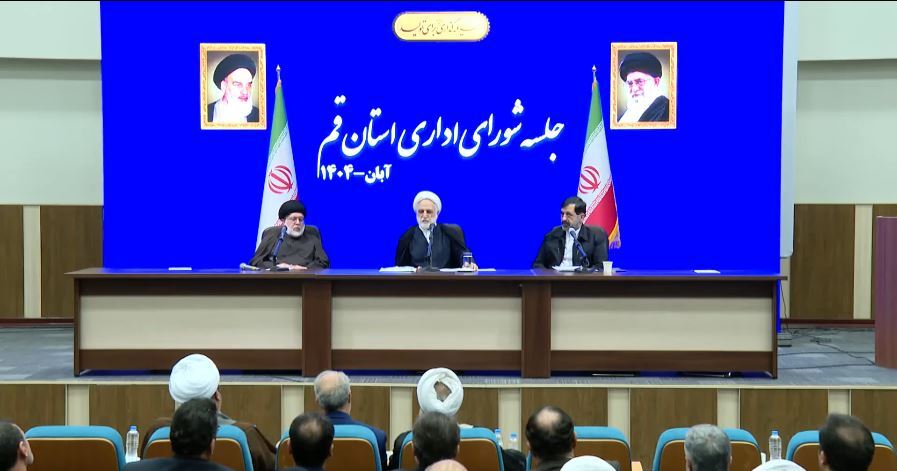
The Chief Justice said: “In April 2023, we informed officials and relevant bodies that, even with existing laws and regulations, more than 70% of social disorders can be prevented. Now, I have instructed the Prosecutor General and all prosecutors nationwide to ask security and law-enforcement agencies to identify organized, foreign-linked networks involved in social norm-breaking and introduce them to the Judiciary. As for individuals who engage in social violations without organizational links, we must use the capacities of seminaries, universities, the Ministry of Education, preachers, and others.”
He stressed: “In the face of the enemy’s malevolence, we must remain alert and avoid playing into its hands. We should not present minor internal issues in a way that allows the enemy to exploit them. We must strengthen national unity and cohesion. Most importantly, we must serve the people, respect them, give them opportunities, and encourage their participation in running the country and generating wealth. With wealth creation, we can strengthen our economic and security independence and overcome vulnerabilities.”
The Judiciary chief concluded: “Today, the enemy is betting that economic and livelihood pressures will exhaust the people’s patience — but the enemy is surely mistaken.”
According to the Judiciary Media Center, Mohseni Eje’i, during his visit to Qom Province, delivered remarks in a meeting with judges and judicial staff of the province’s judiciary.
He expressed his gratitude for the efforts and services of all judges and judicial personnel in Qom, stating: "One of the fundamental indicators for us in the judiciary is the extent to which justice is spread. If we have succeeded in expanding and promoting justice in all its dimensions, then we are truly fortunate."
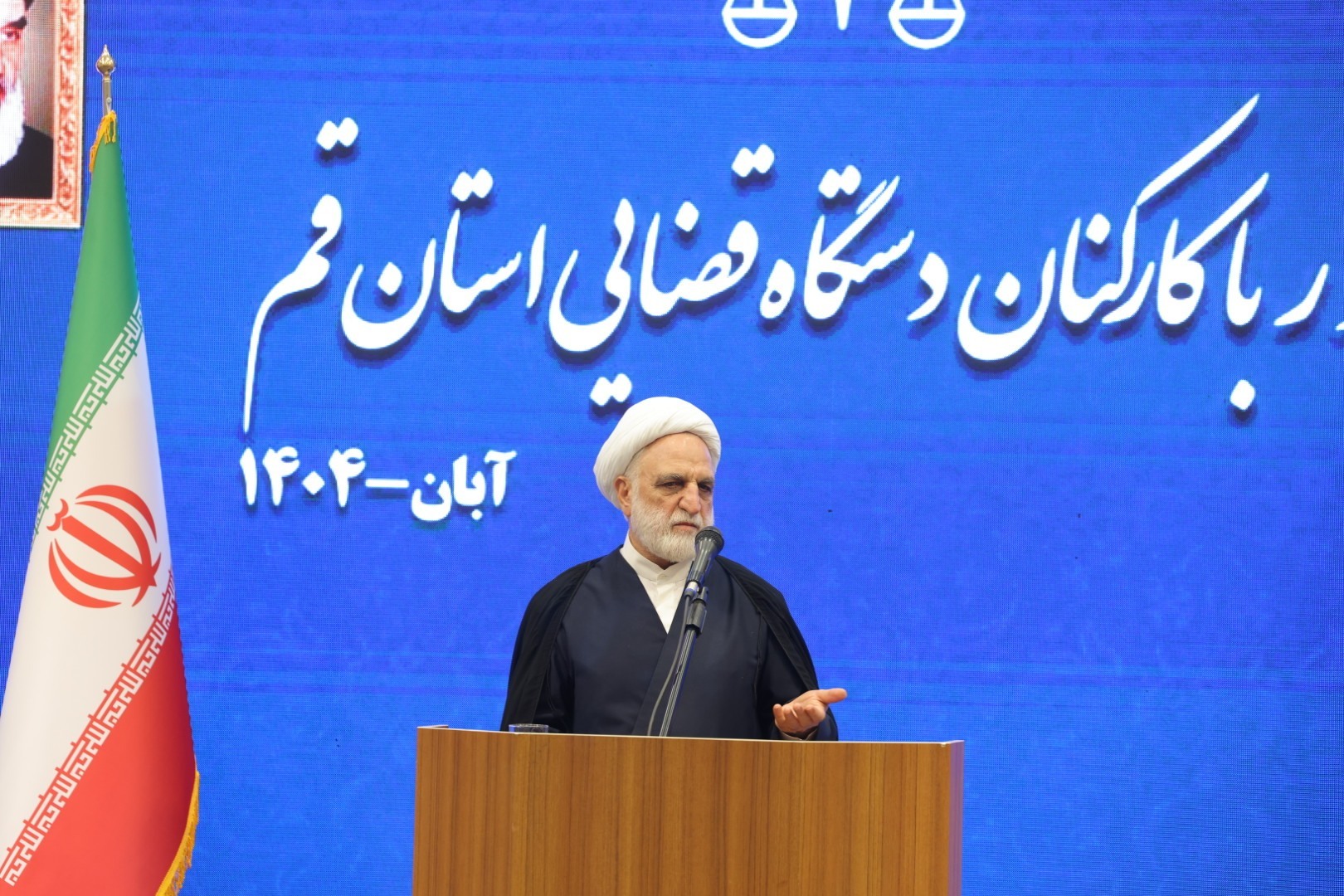
The head of the judiciary added: "The second essential indicator for us is the satisfaction of the people and those who come to judicial institutions. Our interactions with the public must always be conducted with the utmost respect and dignity. If this principle is neglected, even someone whose case has been ruled in their favor will remain dissatisfied."
Mohseni Eje’i elaborated on the process of updating and enhancing the Judicial Transformation and Excellence Document, noting: "Although the updated version of the Judicial Transformation and Excellence Document was repeatedly reviewed by experts both inside and outside the judiciary, we do not consider this document to be infallible. Therefore, the door remains open for further improvements and enhancements. Experts and scholars are still welcome to submit their suggestions for its advancement. Furthermore, if anyone has innovative ideas for improving the judiciary’s services, even outside the scope of this document, we will embrace them wholeheartedly."
Referring to the importance of leveraging public capacities, the head of the judiciary said: "Judicial authorities should pay special attention to expanding the use of public resources in mediation and dispute resolution, and not limit this to administrative or semi-administrative mechanisms of the Dispute Resolution Councils. Often, matters beyond the capabilities of us as officials can be effectively addressed by an ordinary shopkeeper or community member."
Mohseni Eje’i added: "I have previously noted that, within the framework of laws and regulations, mechanisms based on reconciliation and settlement can even be used in security, economic, or government-public disputes. Sometimes a young person may act under influence and chant a slogan without malice. If we imprison them, it can have consequences, such as affecting their career or marriage, and enemies may exploit the situation. In such cases, the capacities of religious leaders, experts, and respected figures can be utilized to guide that young person to understand the truth and feel genuine remorse."
Mohseni Eje’i also stated: "In 2022, due to the circumstances at that time, many cases were filed. If all of those cases had resulted in verdicts and executions, serious consequences and damages would have arisen. After careful consideration, we decided to apply pardons to eligible defendants and convicts involved in the 2022 events. This led to the resolution of approximately 90,000 cases. While we do not claim that the process was perfect, its benefits far outweighed its drawbacks."
In conclusion, the head of the judiciary emphasized the importance of ensuring the accuracy and reliability of court rulings and identifying weaknesses and issues that could lead to flawed or violated judicial decisions.
According to the Judiciary Media Center, during his visit to the holy city of Qom, Mohseni Eje’i met and held talks with Grand Ayatollah Nasser Makarem Shirazi, one of the senior Shia clerics, at his residence.
In this meeting, Ayatollah Makarem Shirazi, after listening to the remarks of the head of the judiciary, said: “The explanations provided by the head of the judiciary regarding key judicial issues demonstrate his full command over the various affairs of the justice system. Of course, we must keep in mind that while some problems can be solved easily, others are more complex and difficult to resolve.”
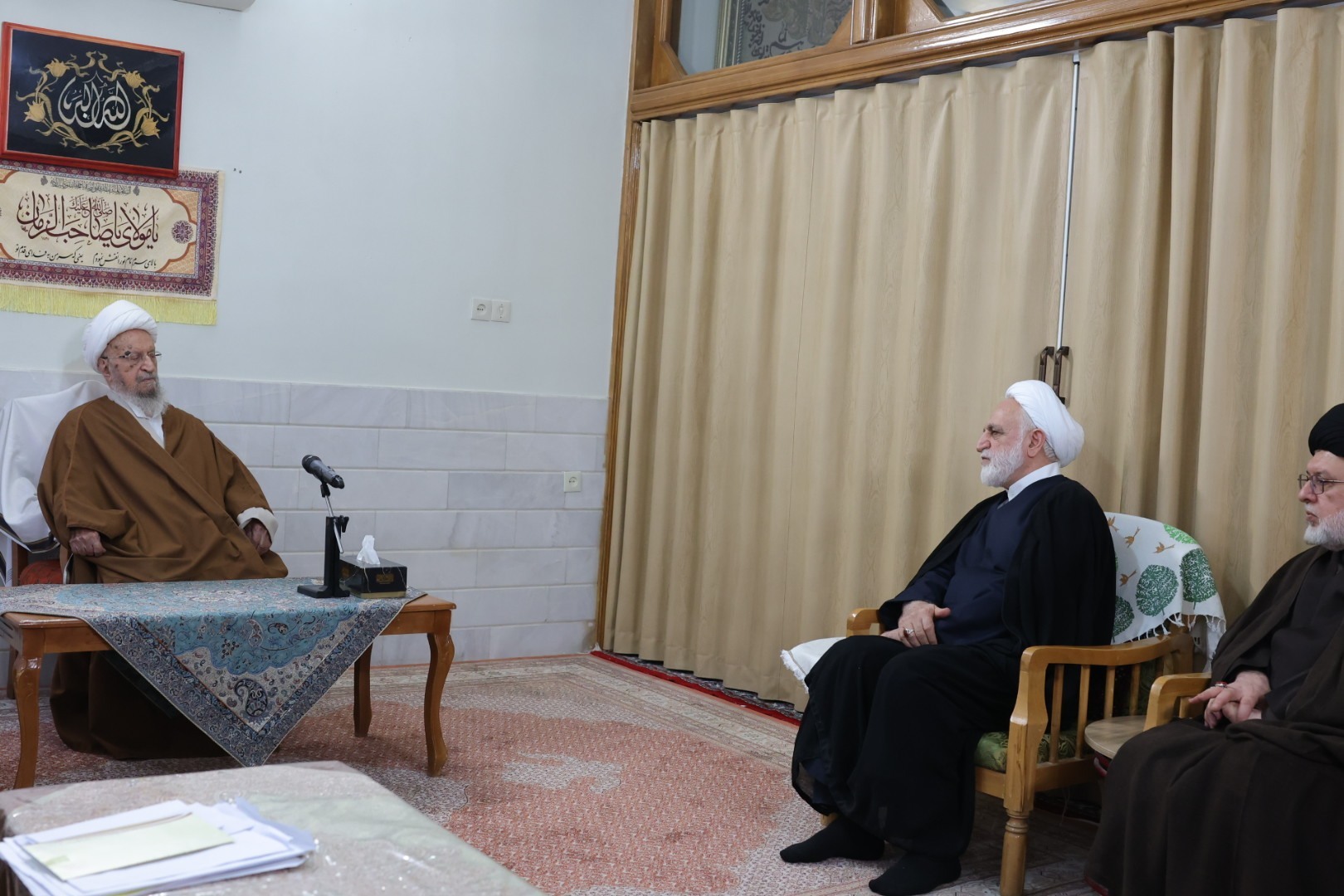
Expressing concern over delays in judicial proceedings, Ayatollah Makarem Shirazi stated: “One of the main causes of prolonged trials is the process of expert evaluation of judicial cases, in which the judiciary must be given adequate support. Moreover, some lawyers, through their improper conduct, further prolong the process of handling cases.”
He also emphasized the importance of paying special attention to cultural issues in society, noting: “The more effort is made in the cultural sphere, the fewer cases will enter the judiciary.”
Ayatollah Makarem Shirazi went on to discuss topics such as housing, youth marriage, currency fluctuations and their impact on people’s livelihoods, as well as artificial intelligence.
Addressing the head of the judiciary, he said: “Your sincerity, effort, and diligence in leading the judiciary are evident and unquestionable. We pray to Almighty God for your continued success and honor in carrying out your responsibilities.”
In response, Mohseni Eje’i pointed to the high and increasing number of incoming cases in the judicial system, stating: “The volume of cases entering the judiciary is both large and growing, and as economic challenges intensify, the number of cases increases accordingly.”
He continued: “To address this issue, we have taken certain measures, including expanding the use of modern technologies in the judiciary and emphasizing the accuracy of judicial rulings to ensure that the growing case load does not undermine the quality of verdicts. Nevertheless, concerns and challenges in this regard still remain.”
The head of the judiciary also elaborated on the process of recruiting judges, saying: “In the recruitment process, our focus is on selecting elite, faithful, and committed individuals.”
During the meeting, the Chief Justice further explained the factors contributing to delays in certain judicial cases, including the role of expert evaluations and the serious inconsistencies sometimes observed in those reports.
During his trip to Qom, Mohseni Eje’i visited the residence of Grand Ayatollah Abdullah Javadi Amoli and met with him.
In the course of the meeting, Ayatollah Javadi Amoli addressed several important and influential issues related to governance and social affairs and offered recommendations on these matters.
He emphasized the Judiciary’s vital role in society, stating: “If a judge issues a ruling while considering all ethical and divine aspects and seeking the satisfaction of Almighty God, countless blessings will descend as a result of that judgment.”
He added: “The path of Sirat al-Mustaqim (the straight path) is short and leads to the destination, but traveling this slippery and uneven route is not easy.”
Ayatollah Javadi Amoli reaffirmed the legitimacy of the Islamic Republic, noting: “Just as the martyrs of the Sacred Defense, the recent 12-day war, and the nuclear achievements became sources of blessing for the people, there are still figures in our society whose presence brings divine grace and prosperity to the nation.”
He also warned about growing indifference and moral discord within society.
In response, the Judiciary Chief underscored the importance of public livelihood and economic well-being: “The livelihood of citizens is of paramount importance. Therefore, all economic policies and initiatives must revolve around this essential principle, and officials must redouble their efforts to resolve livelihood challenges.”
Referring to social disorders, Mohseni Eje’i said: “Our enemies are systematically promoting social corruption and moral deviations. Some domestic elements may even be cooperating with them in an organized manner. Thus, we must act with planning and coordination to counter these movements, ensuring that public peace is not disturbed by lawbreakers.”
He added: “Those enemies who failed in the 12-day imposed war now seek to undermine our national unity. We must therefore avoid any behavior or rhetoric that weakens our cohesion and instead reinforce our collective solidarity.”
In another meeting during his Qom visit, Mohseni Eje’i met with Grand Ayatollah Jafar Sobhani.
Ayatollah Sobhani emphasized the need to reform the jurisprudential and legal basis of dowries (mehriyeh) in marriage contracts, stating: “The relationship between husband and wife is built upon mutual respect and dignity; it should not be viewed as a transactional or commercial exchange.”
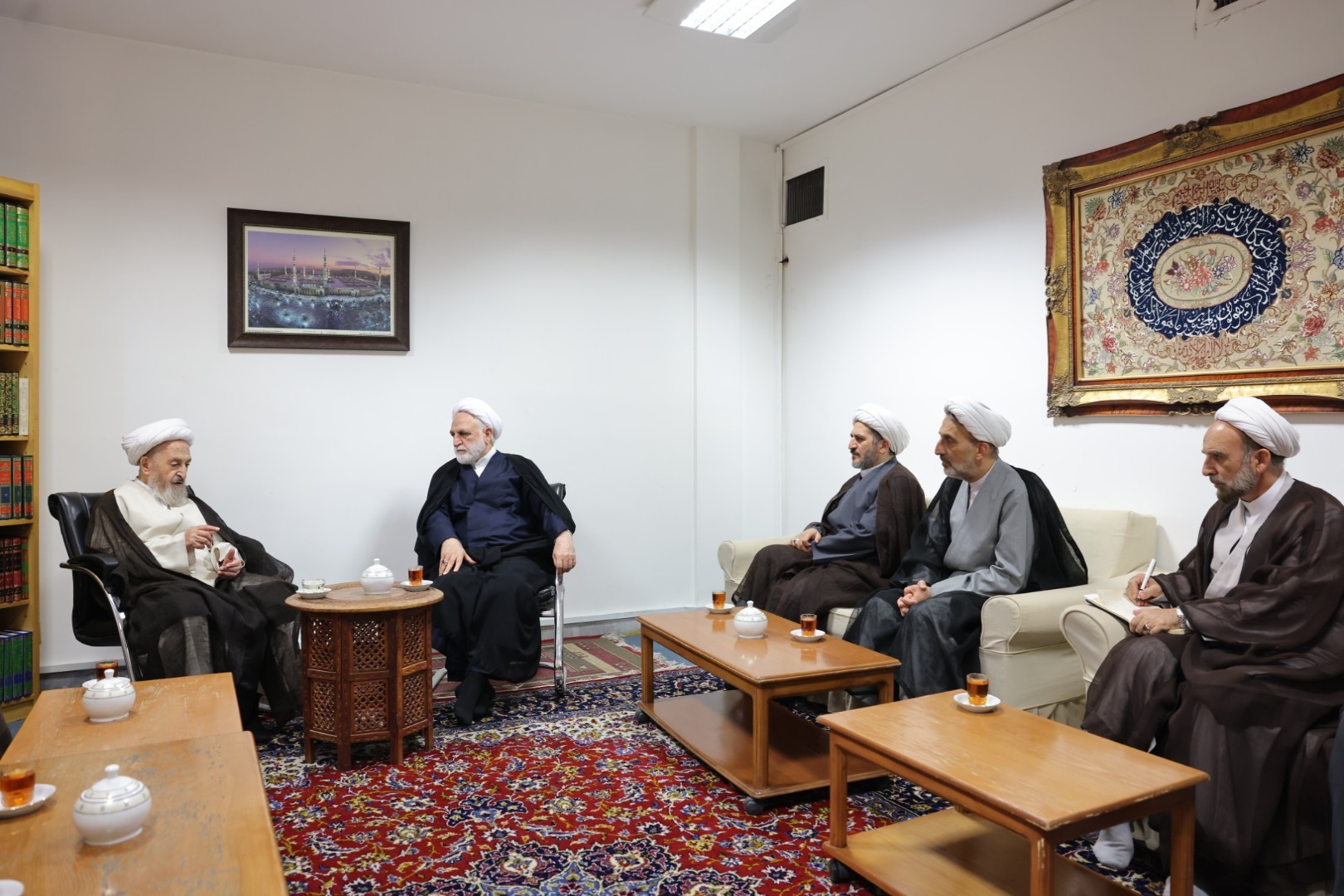
He also urged government officials to prioritize improving citizens’ living conditions: “Unless production and the private sector are strengthened, many of our challenges across various sectors will remain unresolved.”
Ayatollah Sobhani commended the Judiciary’s positive role in overseeing the privatization process and added: “Those whose interests are threatened by these transfers attempt to distort and discredit them. The Judiciary must act in a way that maintains the confidence of genuine private investors.”
He further stressed that the government should minimize direct control and delegate responsibilities to the people, noting: “As long as economic motivation among citizens is lacking, many problems will persist.”
In response, Mohseni Eje’i referred to Ayatollah Sobhani’s recent written opinion on the issue of dowries, offering explanations and clarifications on the matter.
He then addressed the subject of cyberspace, saying: “We must make the best and most effective use of the positive and beneficial aspects of cyberspace, while simultaneously countering and neutralizing its harms.”
He added: “At times, doubts and misconceptions are spread online to weaken people’s beliefs. Therefore, seminaries and religious scholars must engage more proactively in addressing these issues, using reasoned, articulate, and well-founded arguments to dispel such doubts.”
The Judiciary Chief further remarked on the issue of social anomalies: “Certain social disorders — especially those visible in public spaces — genuinely distress and offend the minds and hearts of the faithful. Accordingly, I have issued firm directives to judicial, intelligence, and law enforcement authorities to act in full compliance with the law to confront these violations.”
He also noted that: “Our enemies are working to restrict the people’s livelihoods. Addressing citizens’ economic conditions is a fundamental and high-priority issue. To this end, greater dedication to economic activity and production is required. Legitimate wealth creation must be seen as a social value, not a stigma. The productive and ethical private sector deserves full and unwavering support.”
He concluded: “We believe that unless the healthy, productive private sector fully enters the field and receives serious support, overcoming our economic challenges will remain extremely difficult, if not impossible.”