A ceasefire in name only: How Israel maintains its war on Gaza
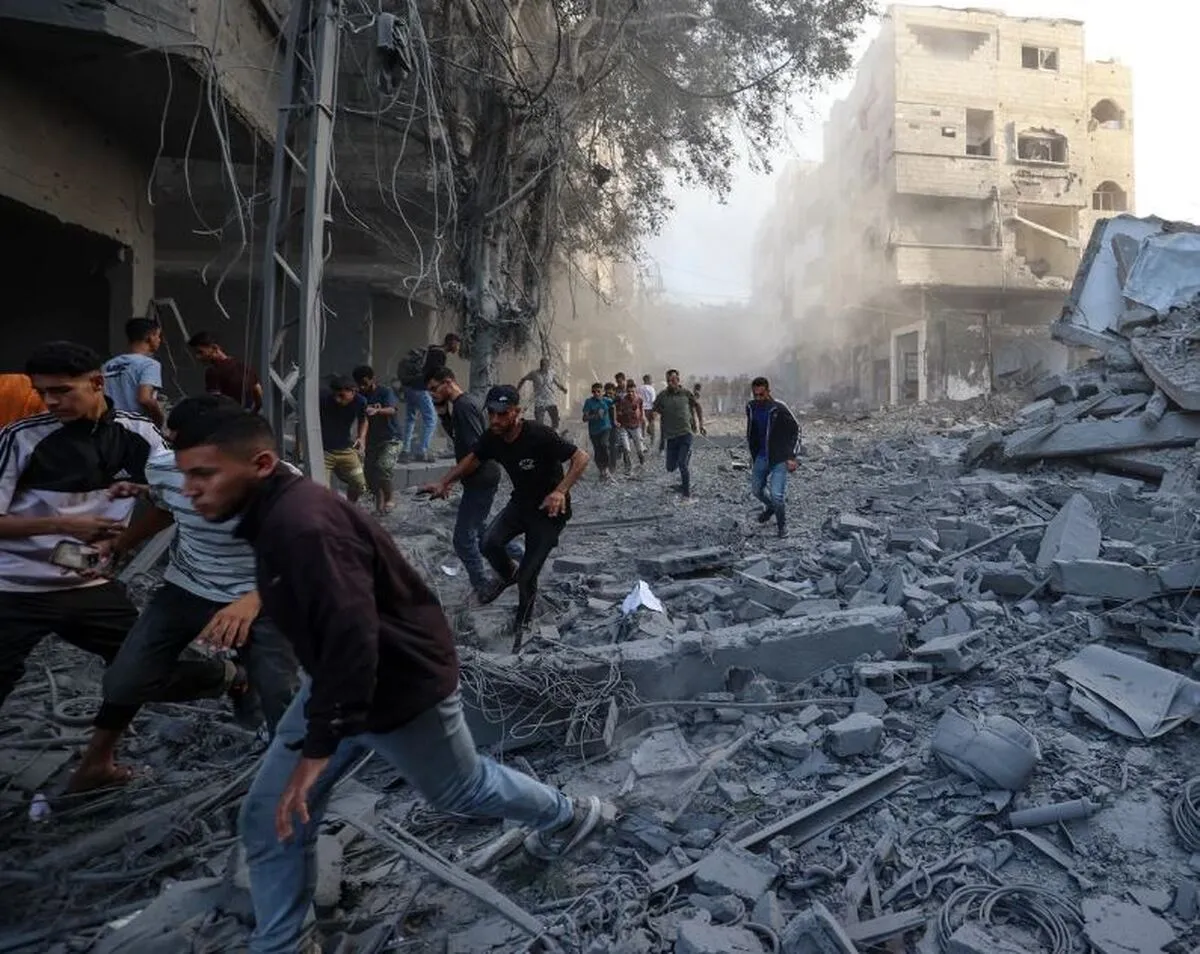
Despite the ceasefire having been in place for over a month, Israel continues its genocidal campaign against Palestinian civilians through various means.
The regime sustains conditions that endanger the lives of more than two million Palestinians, preventing any recovery after over 25 months of humanitarian catastrophe — amid persistent international silence and the lack of guarantees for protection and accountability.
Over the past four weeks, international organizations have documented the Israeli occupation army’s planned and ongoing killings of Palestinian civilians.
On average, eight Palestinians die every day under Israel’s continued total blockade of the Gaza Strip, combined with deliberate starvation policies, deprivation of basic survival needs, prevention of reconstruction, restrictions on movement, denial of medical treatment for the wounded and sick, and deliberate obstruction of humanitarian aid. These conditions demonstrate the ongoing genocidal policy against Gaza’s population.
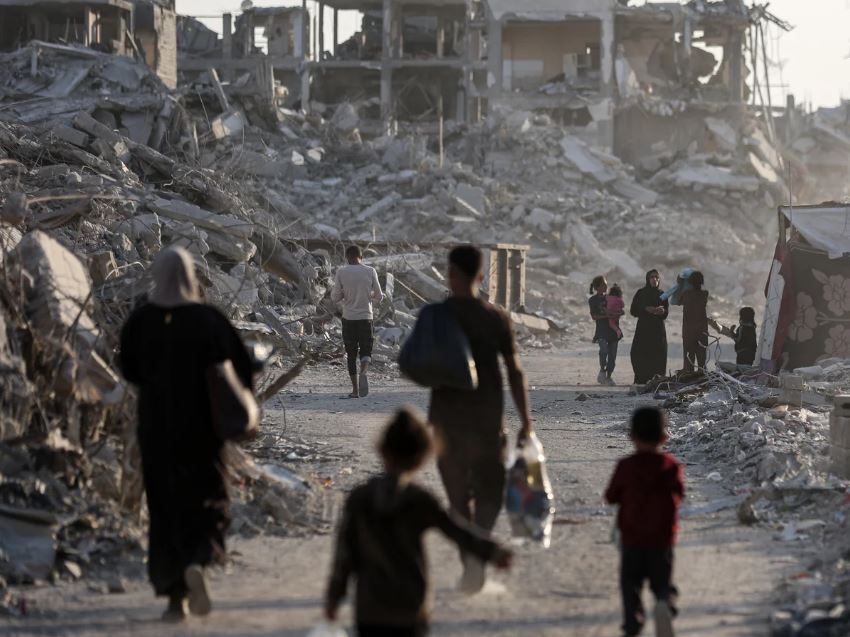
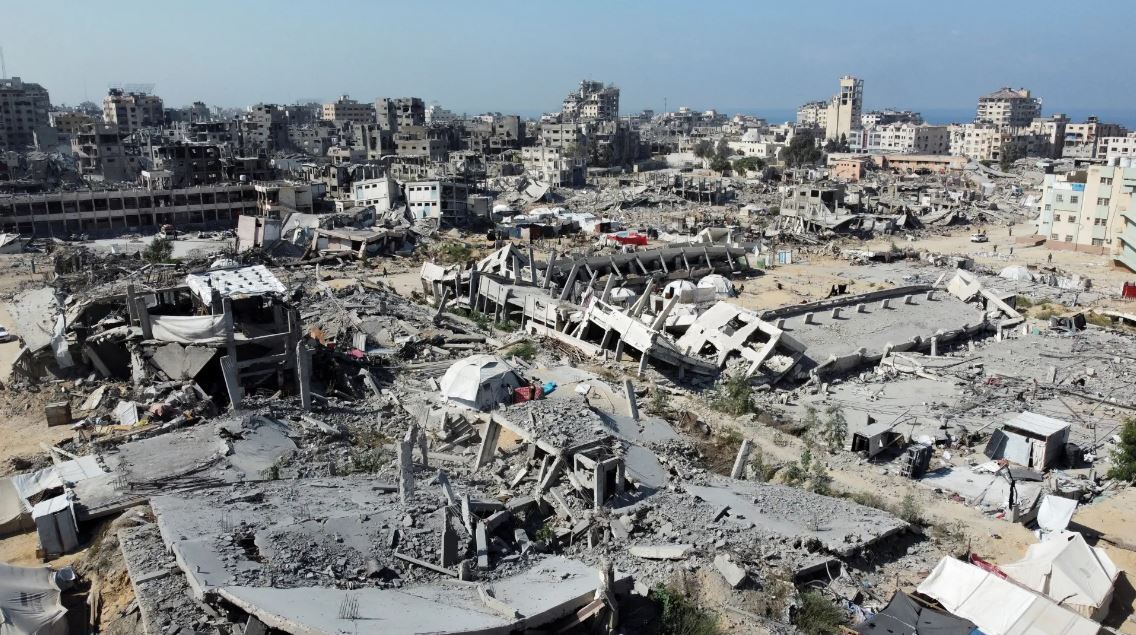
The Israeli army continues to violate the ceasefire daily through aerial and artillery bombardment, shootings, and the systematic destruction of homes and buildings—particularly in eastern Khan Younis and Gaza City. These actions form part of a systematic approach to eroding the foundations of life in Gaza and stripping residents of their most basic rights, in blatant violation of international law.
Since the ceasefire took effect on October 10, the Israeli army has continued to kill Palestinian civilians. At least 242 Palestinians, including 85 children, have been killed—an average of more than eight deaths per day. This clearly shows that Israel has not halted its policy of systematic targeting and killing of Palestinians.
In the absence of an effective international monitoring mechanism to enforce the ceasefire, Israel continues to exclude areas under its control—covering more than 50% of the Gaza Strip—from the agreement, thereby continuing its violations on the ground. Even without active combat, Israel has persisted with bombing and demolition operations.
Israel has exploited the lack of international oversight to reshape Gaza’s geography, using the ceasefire as a cover to render areas under direct military control uninhabitable—both now and in the future.
Human rights organizations emphasize that these actions are not merely breaches of the agreement but in fact transform the ceasefire into a tool for expanding control and imposing comprehensive, long-term destruction.
The Euro-Med Human Rights Monitor stated that Israel continues to enforce a deliberate starvation policy in Gaza, blocking around 70% of the agreed humanitarian aid.
It also controls the types of goods allowed to enter, systematically restricting essential food data-x-items such as meat and dairy products while flooding markets with high-calorie but nutritionally poor goods—keeping the population in a state of chronic, managed hunger without visible signs of acute malnutrition.
A recent World Food Programme (WFP) report said hunger in Gaza has reached catastrophic levels, noting a 20% increase in child malnutrition rates compared with last year and a collapse of routine vaccination coverage, with one in five children missing basic immunizations.
Israel continues to keep the Rafah crossing closed, blocking movement in both directions, restricting the evacuation of civilians—including the wounded and ill—and obstructing the implementation of the second phase of the ceasefire agreement.
These actions are not isolated incidents but part of a systematic pattern reflecting the Israeli regime’s political and military policy of using the ceasefire as a façade to continue its genocide against Gaza’s population.
Through ongoing covert military aggression and continued killing, starvation, and systematic destruction, the occupying regime exploits the lack of international will to protect civilians and hold perpetrators accountable.
The continued silence of the international community and its failure to activate accountability mechanisms provide de facto cover for Israel to persist in committing genocide—albeit at a slower pace—as part of a sustained policy aimed at erasing the Palestinian presence in the Gaza Strip.