Inside the files sent to The Hague: Proof of organ theft and crimes against Palestinian journalists
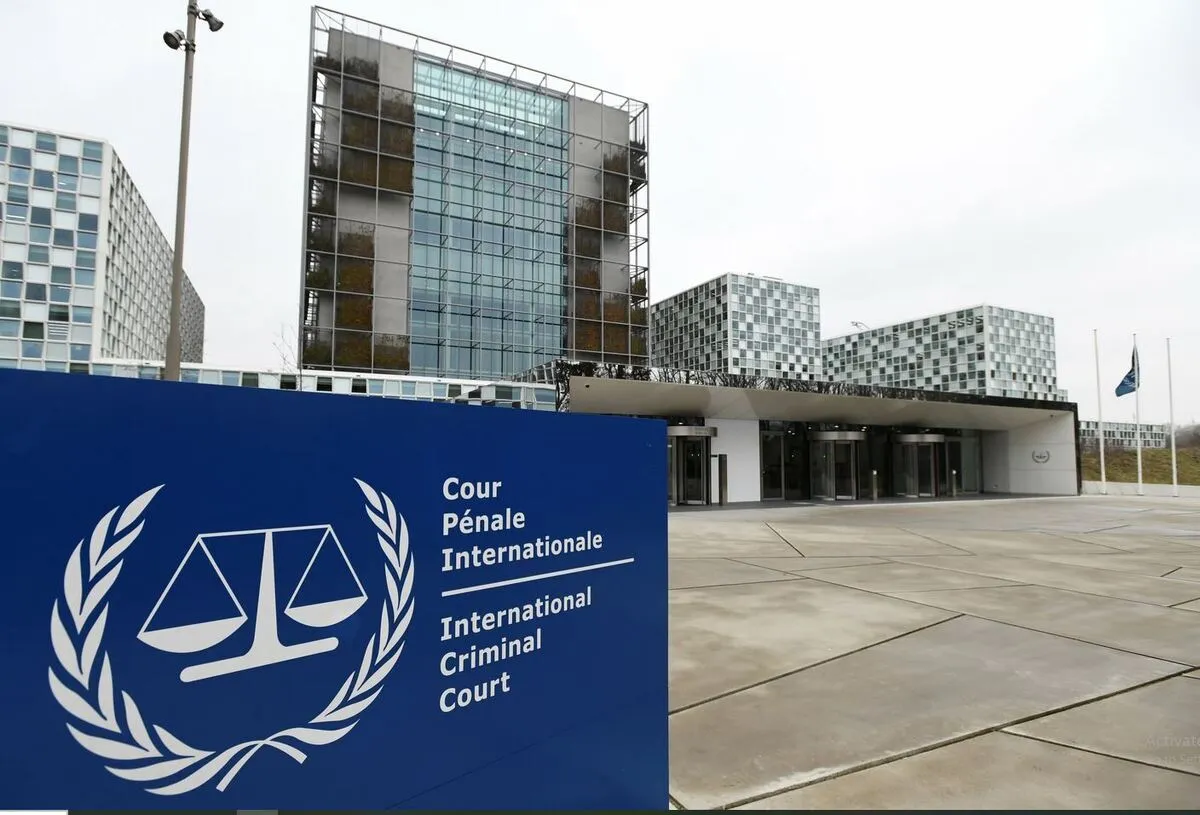
The legal delegation, which recently returned to the ICC, brought forward files concerning serious violations committed against Palestinian detainees and journalists. The team presented new evidence related to the remains of prisoners and the targeting of reporters, adding to the ongoing legal efforts to prosecute Israeli officials at the ICC since 2008.
According to Al Jazeera, this development marks a significant shift in the course of international justice, as the Gaza case is no longer seen merely as a humanitarian issue but as a global test of the ICC’s ability to resist political pressure and uphold the principles of international and humanitarian law.
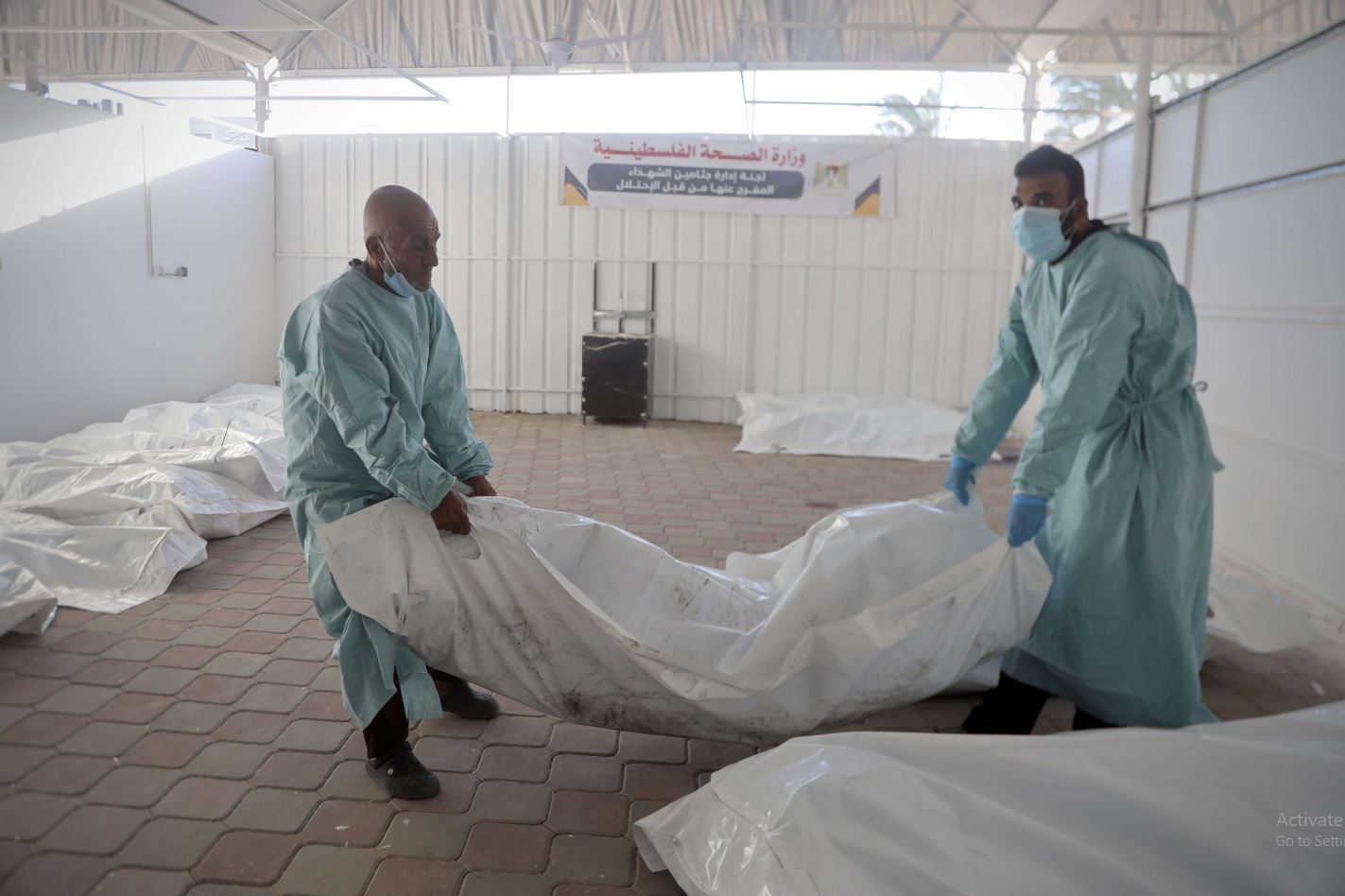
The legal team held three sessions at the ICC. The first, lasting about 40 minutes, was with the Office of the Prosecutor and focused on two memos concerning the bodies of Palestinian prisoners and others. These bodies, delivered to Palestinian hospitals, bore clear signs of torture — and in several cases, evidence indicated that organs had been removed.
The submitted materials included documented medical evidence from doctors and forensic experts, such as detailed reports, photographs, videos, and testimonies from families and professionals.
Abdelmajid Merari, a lawyer and international law expert, explained that while the ICC has previously dealt with cases involving torture and enforced disappearances (mostly in African countries), it has never before encountered such a large number of bodies missing organs as in Gaza.
He added that this is the first time the court has handled cases involving severely mutilated bodies, prompting the involvement of forensic experts to issue medical and legal reports, which have now been officially incorporated into the ICC’s judicial record.
The submission of this evidence is not merely procedural — it broadens the scope of criminal accountability to include specific crimes that can be directly traced to individuals.
Targeting of journalists in Gaza
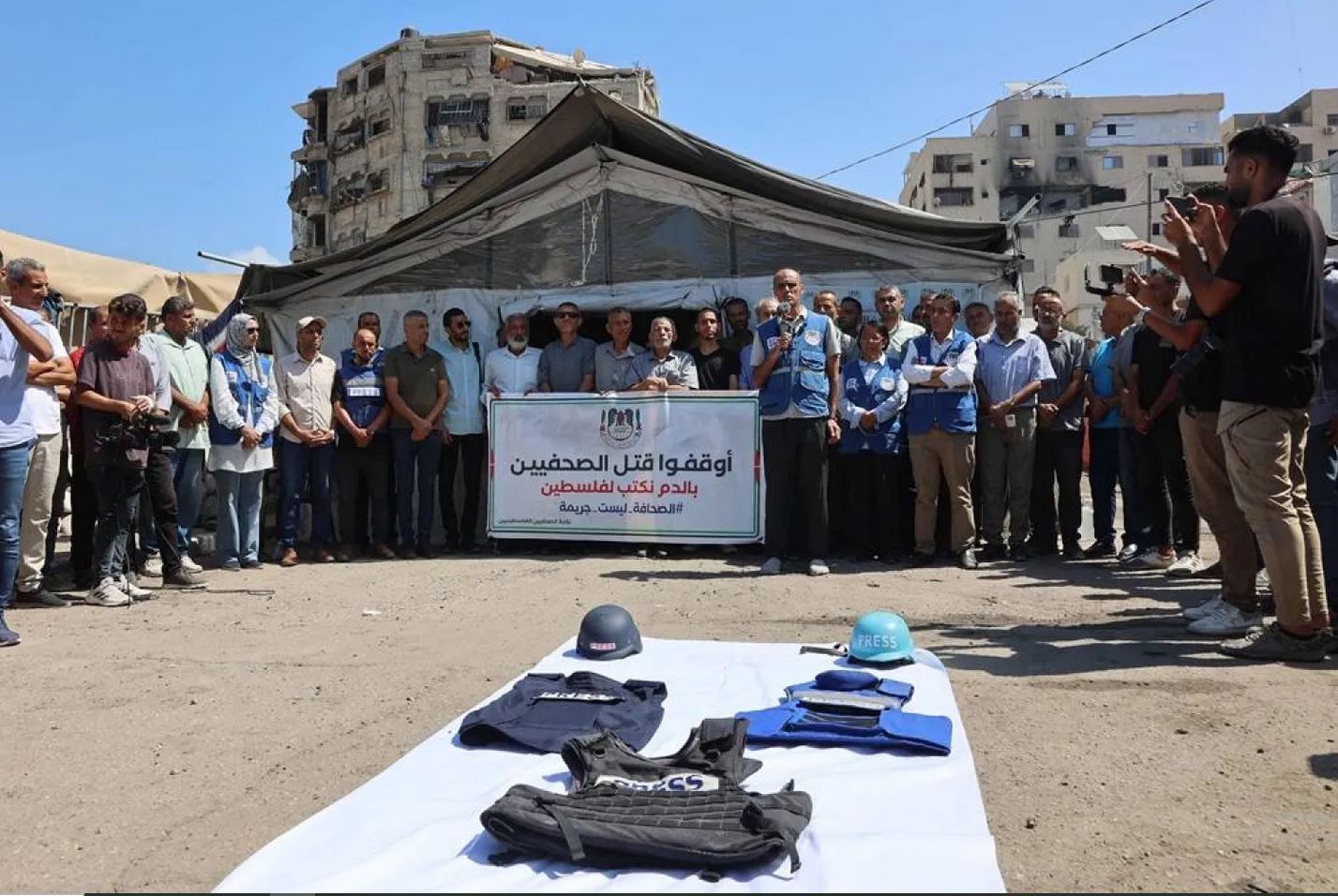
The second report focused on deliberate attacks against journalists. It was supported by evidence, including eyewitness accounts of Israeli soldiers and snipers targeting reporters.
Merari confirmed that the legal team submitted a list of journalists they represent and also met with the ICC’s Victims Office to deliver over 1,240 forms and reports on behalf of more than 1,240 victims.
Regarding the third session — focused on progress and outcomes of the cases — Merari stated that all files have now been referred to the judges, marking a transition from investigation to prosecution.
He cited statements from the head of the ICC’s Victims Office, who assured that the names of all victims will remain confidential, thus maintaining their trust in the international justice process.
Merari noted that the court has not yet announced its decisions but is expected to issue new arrest warrants or other judicial rulings in due time.
The legal team, he said, is working to persuade the ICC to issue warrants against all individuals directly implicated in these crimes.
Each report included a list of names of those allegedly involved. The report on prisoner remains requested the arrest of 15 individuals, while the one concerning journalists called for the arrest of 10. These lists include military, security, and political figures such as Bezalel Smotrich, Israel’s finance minister, and Itamar Ben-Gvir, the national security minister — both shown in videos giving orders for killings, torture of prisoners, and attacks on civilians and medical teams.
Obstacles facing the ICC
Since the start of its investigations, the ICC has faced unprecedented pressure, including sanctions on its officials and attempts to undermine its jurisdiction.
The victims’ legal representatives stressed that justice cannot be held hostage to political calculations.
One of the main obstacles raised was the difficulty ICC investigators — including deputy prosecutors and assistants — face in obtaining visas. Merari noted that some European countries have imposed complex travel conditions, even requiring the presence of their own officials during witness hearings, which contradicts the ICC’s commitment to confidentiality and protection of victims and witnesses.
He also emphasized that the ICC continues to urge Israeli authorities and all mediating states to allow its inspectors access to Gaza for on-site investigations. However, Israel’s persistent refusal has rendered all previous ICC efforts unsuccessful.
As a result, the court has now turned to a secondary approach — hearing victims’ testimonies across several European and Arab capitals.