Senate compromise breaks 40-day deadlock over federal shutdown
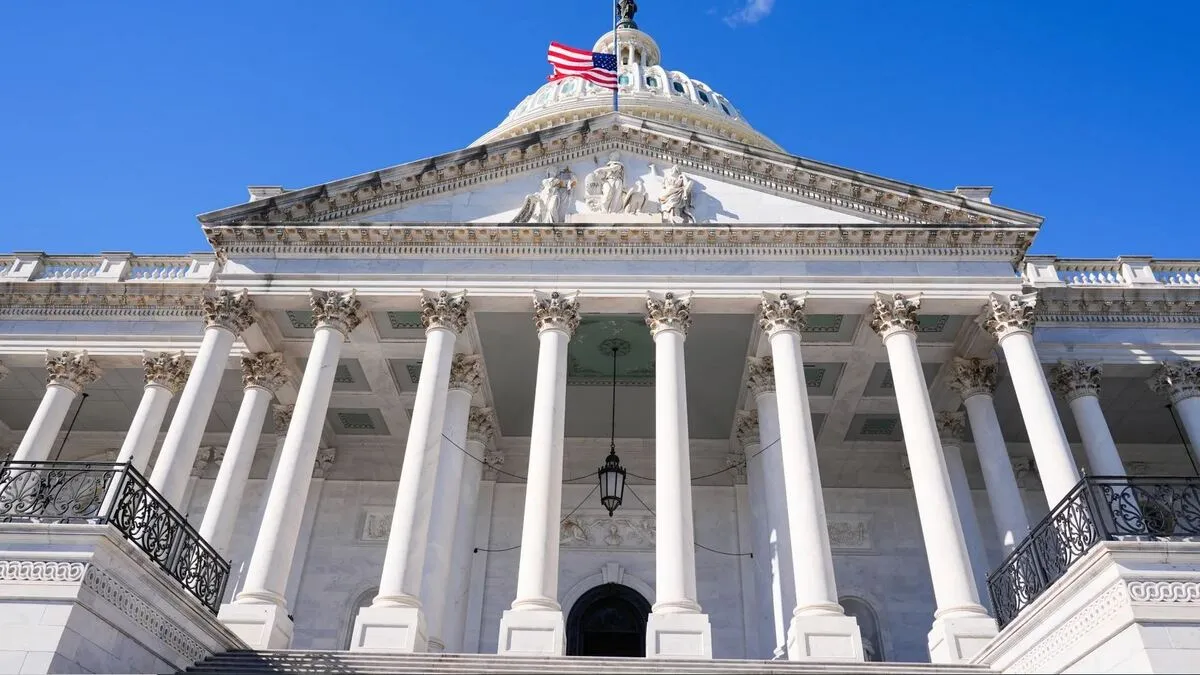
The Senate took its first step toward ending the shutdown after a group of Democrats agreed to move forward without a guaranteed extension of health care subsidies, a decision that angered many within the Democratic caucus who insisted that Americans wanted the fight to continue.
According to the Associated Press, in a test vote—the first in a series of procedural steps—the Senate voted 60 to 40 in favor of advancing a bipartisan compromise bill to fund the federal government. A subsequent vote will be held on extending tax credits for the Affordable Care Act (ACA), which expired in January.
If Democrats decide to resist further or delay the process, final approval could take several more days.
The agreement does not guarantee that the health care subsidies—demanded by Democrats for nearly six weeks—will be extended. Senate Democratic Leader Chuck Schumer of New York, along with all but eight of his Democratic colleagues, voted against advancing the package.
A group of three former governors—Senators Jeanne Shaheen (D–New Hampshire), Maggie Hassan (D–New Hampshire), and Angus King (I–Maine)—brokered the deal that broke the six-week stalemate. The compromise involves advancing three bipartisan annual appropriations bills and extending the rest of government funding through late January, in exchange for a mid-December vote on extending ACA tax credits.
The deal also reverses mass furloughs of federal workers imposed by the Trump administration since the shutdown began on October 1, ensuring that all affected employees will receive their back pay.
Senate Majority Leader John Thune quickly endorsed the agreement and called for an immediate vote to begin formal passage, noting that the ongoing shutdown had severely disrupted flights nationwide, threatened food assistance for millions of Americans, and left federal employees without pay.

On Sunday alone, the U.S. recorded over 10,000 flight delays—the worst day for aviation since the shutdown began—with more than 2,700 domestic flight cancellations.
President Donald Trump commented, “It looks like we’re getting close to ending the government shutdown.”
Democrats had previously voted 14 times against reopening the government, demanding an extension of health care tax credits that make insurance coverage more affordable under the ACA.
Republicans maintained that they would not negotiate on health care, but GOP leaders have reportedly been working quietly with moderate Democrats as the framework for a broader deal takes shape.
The emerging agreement includes bipartisan appropriations bills drafted in the Senate Appropriations Committee to fund parts of the government—such as food assistance programs, the legislative branch, and other essential operations—while extending remaining funding through the end of January. This gives lawmakers more than two months to finalize additional spending measures.
Despite the progress, House Democrats swiftly criticized the Senate’s decision.
Meanwhile, the impact of the federal shutdown continues to worsen. U.S. Secretary of Transportation Sean Duffy, speaking on CNN’s State of the Union, warned that if the government is not reopened soon, Thanksgiving holiday air travel will be severely reduced.