Poisoned waters, broken lives: Gaza’s families struggle to survive
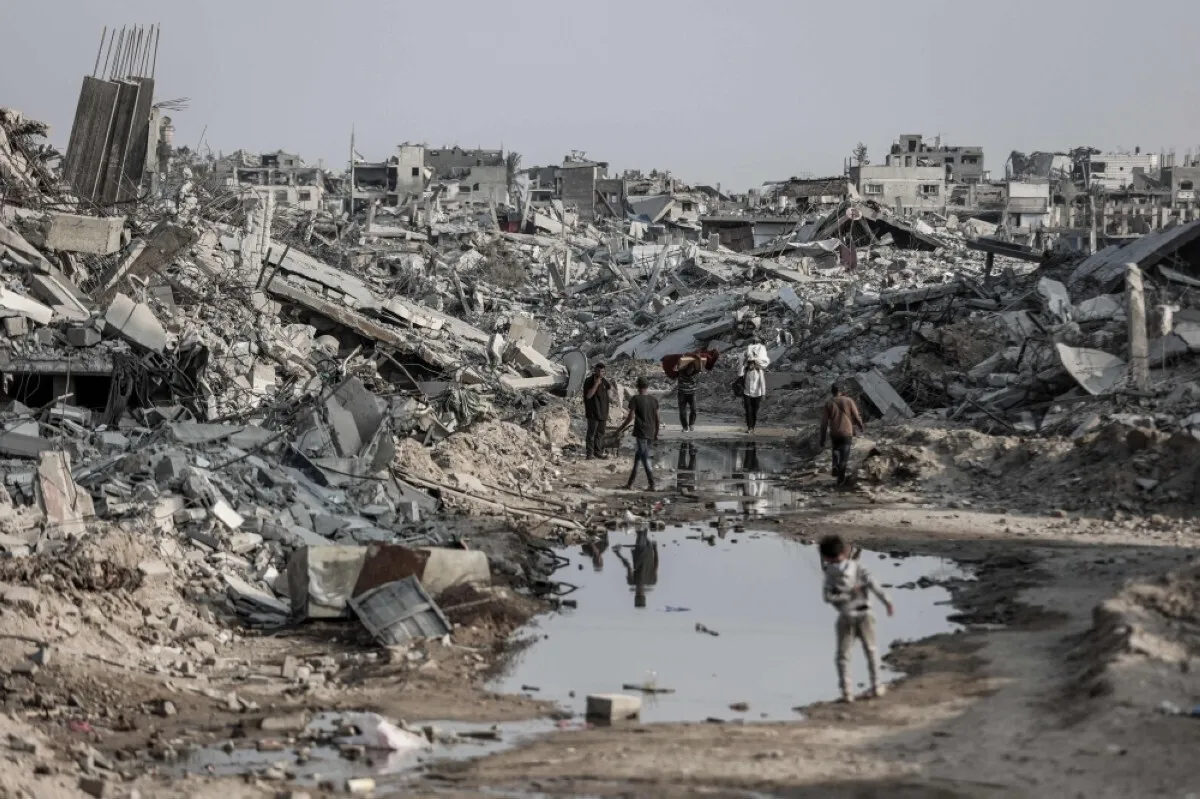
Israel’s war on Gaza has not only flattened entire neighborhoods, displaced families multiple times, and destroyed healthcare centers — it has also poisoned the land and water on which Palestinians depend for survival.
Four weeks after a fragile ceasefire — one that Israel continues to violate daily — the scale of environmental devastation is becoming painfully clear.
The Sheikh Radwan neighborhood in Gaza City, once a vibrant community, has turned into a barren wasteland. Homes have been destroyed, and a vital water reservoir that once collected rainwater is now contaminated with sewage and waste. For many displaced families, this area is both a refuge and a threat.
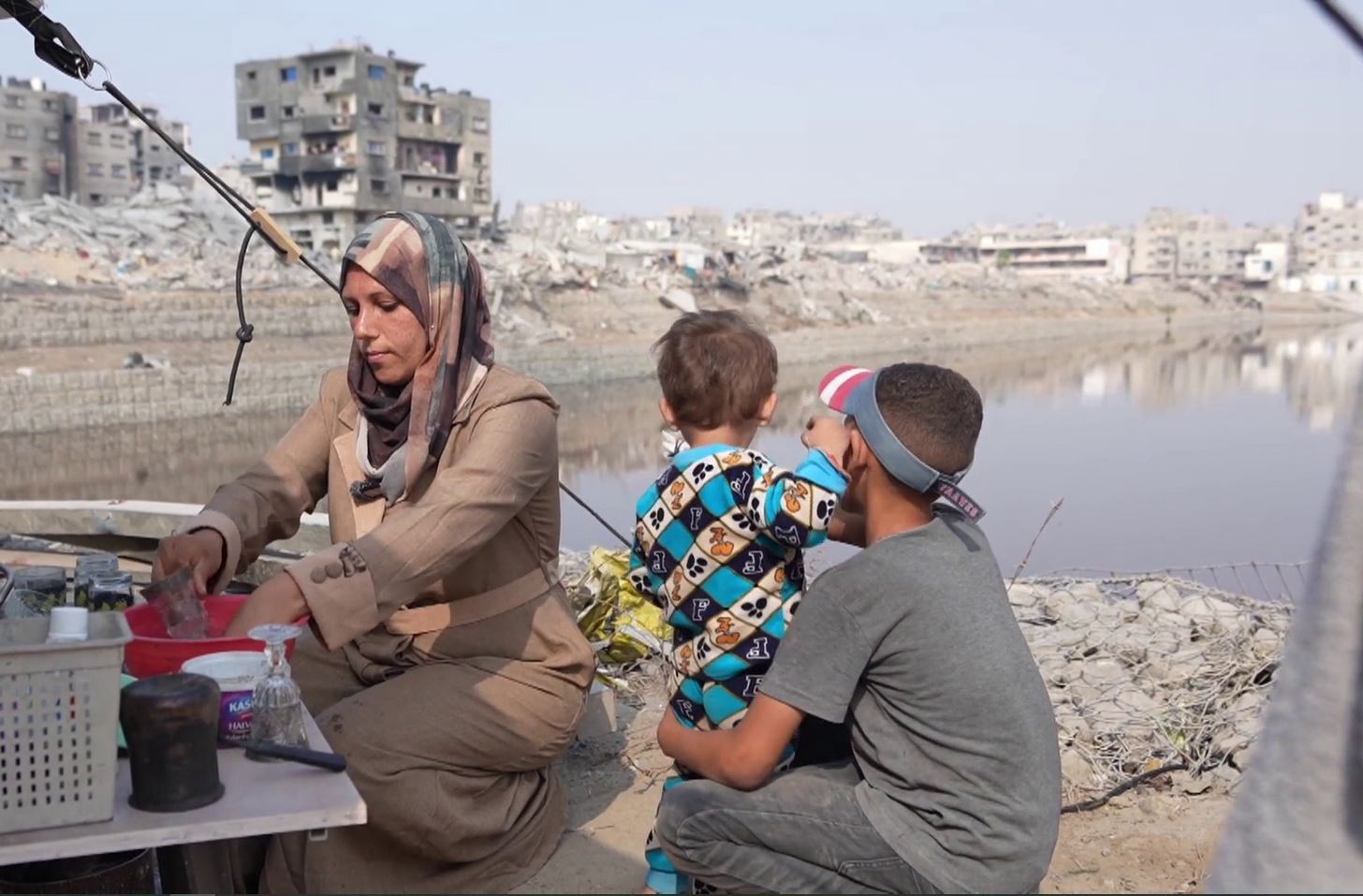
Umm Hisham, a pregnant displaced Palestinian woman walking with her children through the filthy water, told Al Jazeera:
“We came here, around the Sheikh Radwan pond, enduring every hardship you can imagine — from the mosquitoes to the rising sewage levels — not to mention the destruction surrounding us. All of this endangers our lives and the lives of our children.”
The pond, originally designed to collect rainwater and channel it to the sea, now holds raw sewage after Israeli airstrikes destroyed the pumps. With electricity and sewage systems out of service, contaminated water continues to rise, threatening nearby homes and tents.
Maher Salem, a municipal official in Gaza City, said: “There’s no doubt this has severe impacts on all residents — the foul smells, insects, mosquitoes. Also, the unsafe water level has risen beyond six meters without any barriers. The fence is completely destroyed, and there’s a real risk that any child, woman, elderly person, or even a car could fall into the pond.”
Local authorities warn that the stagnant water could trigger outbreaks of disease, especially among children. Yet, for many in Gaza, there are no alternatives.
A journalist reporting from Gaza City noted: “Families know that the water they draw from wells, containers, or water trucks is dirty and contaminated — but they have no other choice.”
Gaza’s destroyed water infrastructure
At the COP30 climate summit in Brazil, Ibrahim al-Zeben, Palestine’s ambassador, described the crisis as an environmental catastrophe intertwined with Israel’s ongoing genocide.
He said: “It’s no secret that Gaza is suffering due to the genocide Israel continues to commit — a war that has caused nearly a quarter of a million casualties and produced over 61 million tons of debris, some of it contaminated with hazardous materials. Moreover, the deliberate destruction of sewage and water networks has polluted groundwater and coastal waters. Gaza now faces grave public health risks, with environmental threats on the rise.”

Al-Zeben added that Israeli attacks have also destroyed large parts of Gaza’s agricultural lands, plunging the territory into severe food insecurity and famine conditions — using food as a weapon.
In September, a United Nations report warned that Gaza’s freshwater resources are extremely limited and that much of what remains is contaminated.
According to the UN Environment Programme (UNEP): “The collapse of wastewater treatment infrastructure, the destruction of water distribution systems, and the use of cesspits for sewage disposal have likely increased the contamination of groundwater aquifers — the main source of Gaza’s water supply.”