Iraq enters electoral silence ahead of parliamentary elections
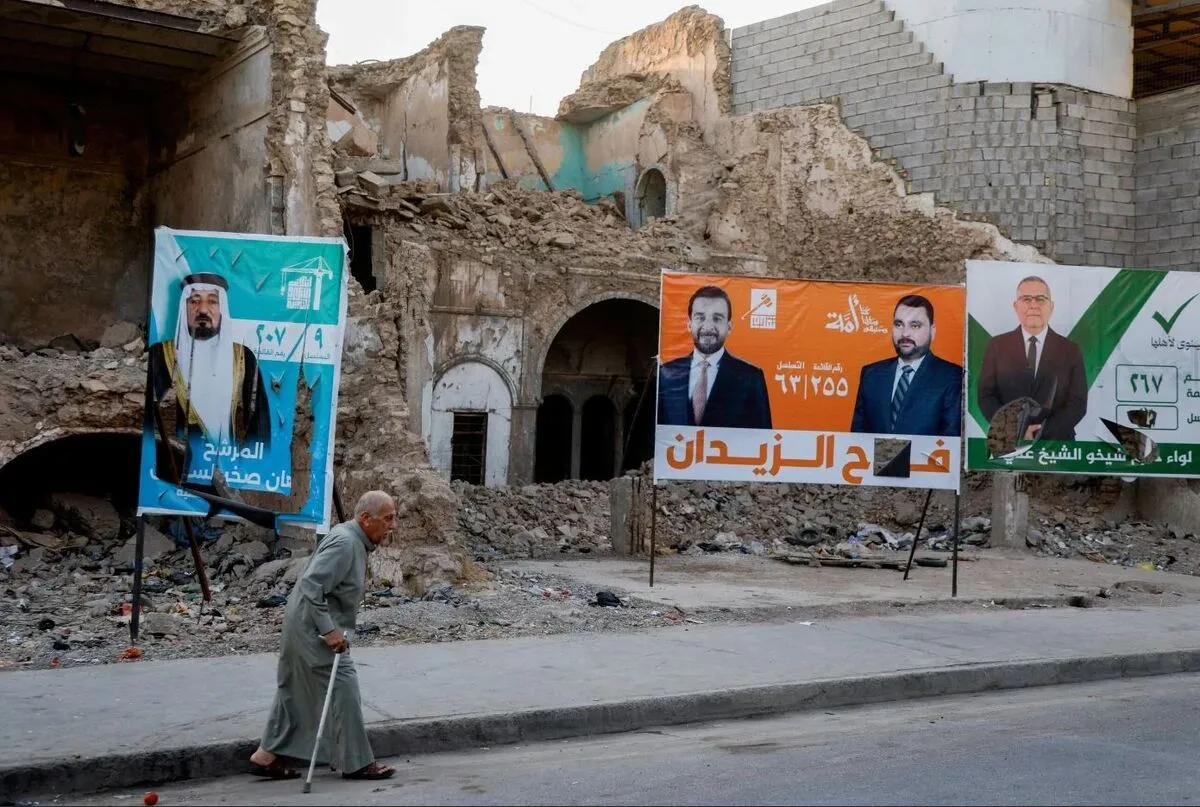
On Saturday, November 8, 2025, the country began this official pause, marking the final break before the sixth parliamentary elections, scheduled for Tuesday, November 11, 2025.
The Independent High Electoral Commission (IHEC) stated that the silence period officially started at 7 a.m. on Saturday, ahead of the special vote on Sunday and the general election on Tuesday.
The special vote on Sunday, November 9, 2025, will allow security personnel, military staff, and internally displaced persons (IDPs) to cast their ballots before the general election. Voting will run from 7 a.m. to 6 p.m. at 809 polling centers, including 4,501 polling stations, serving 1,303,808 registered military and security voters.
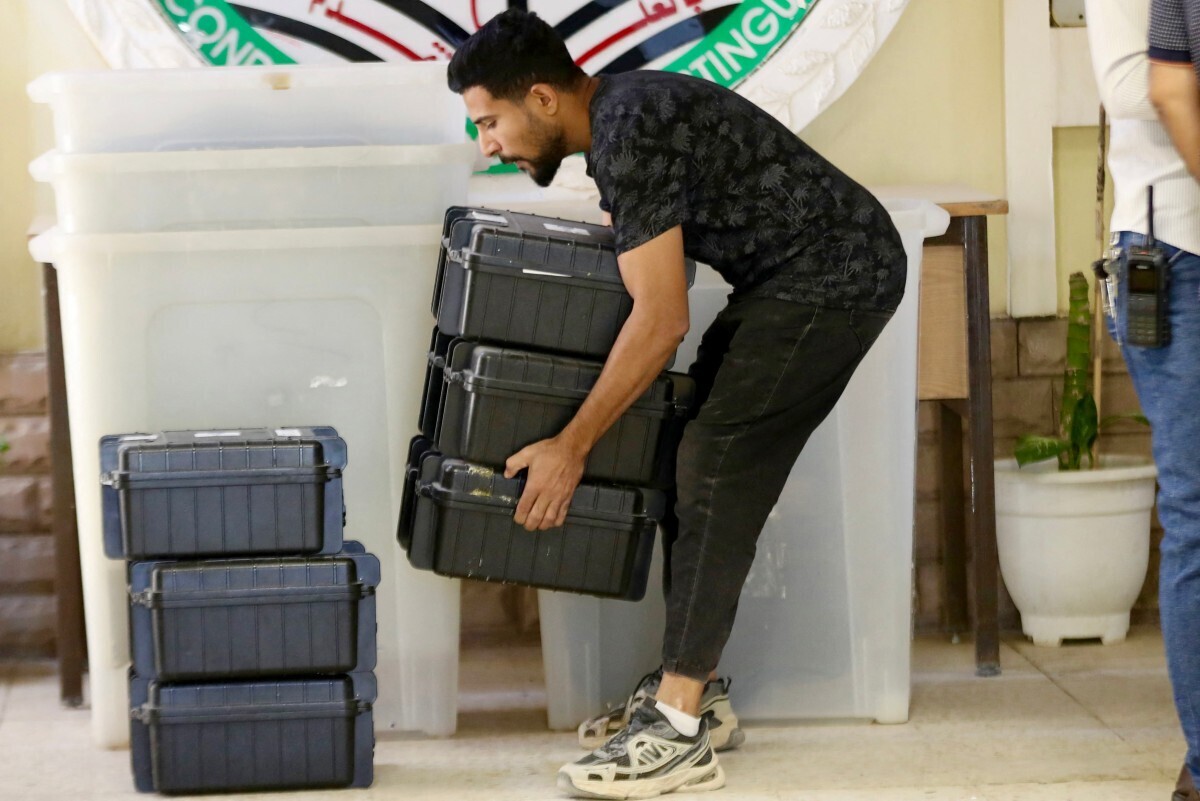
Additionally, 26,538 IDPs will vote across 27 centers and 97 stations during the special polling process.
IHEC emphasized that all preparations for the special vote have been completed, with security and oversight mechanisms in place to ensure transparency and credibility.
In a statement to all political coalitions, parties, and candidates, IHEC highlighted that the electoral silence requires a complete halt to campaigning, including rallies, media endorsements, and advertisements. During this period, media outlets are only allowed to educate voters about the voting process and encourage participation without supporting or criticizing any political entity.
The commission explained: “The goal of the electoral silence is to provide a calm and neutral environment that allows voters to make informed and free choices.”
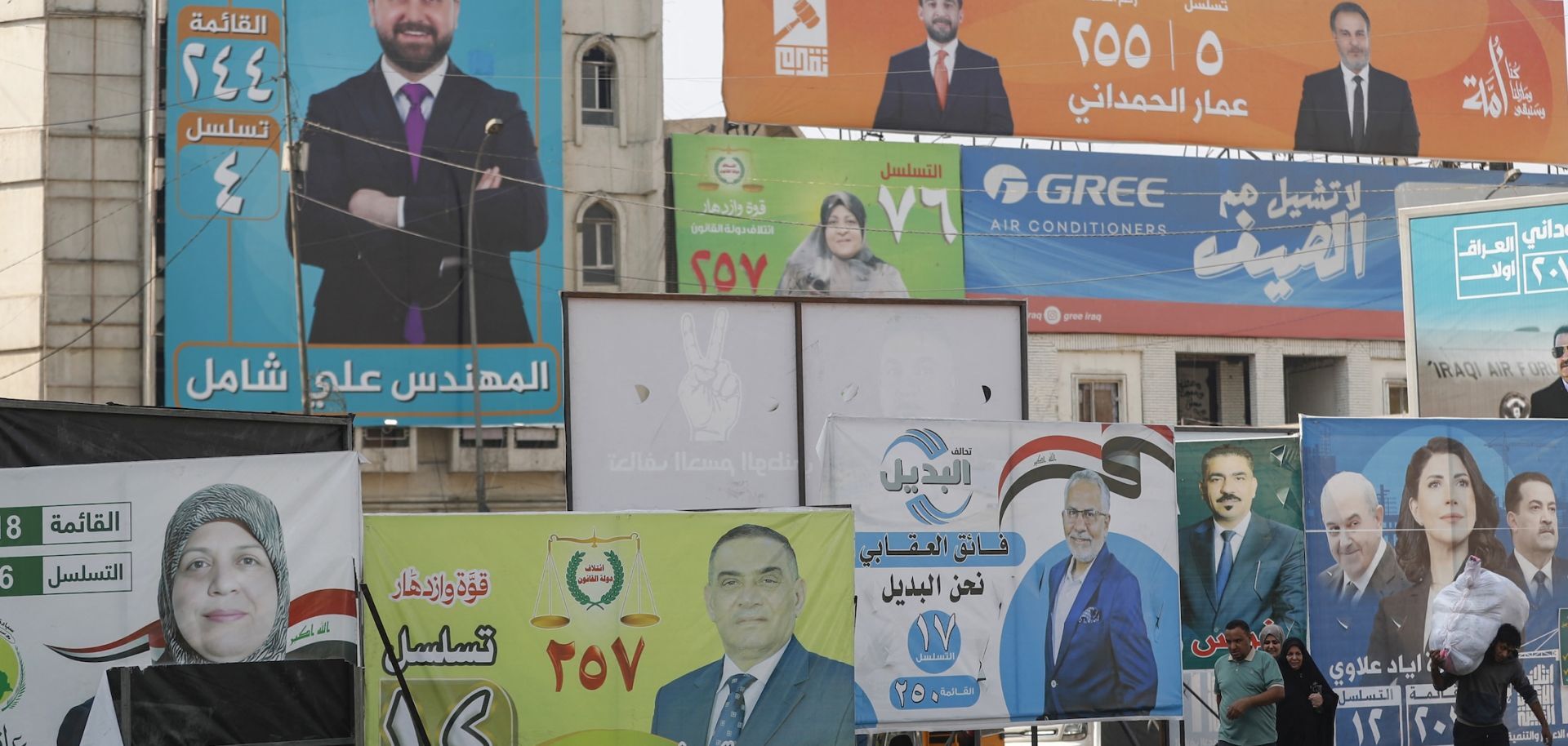
The official campaigning period began in early October and concluded with the start of the silence on Saturday morning. In the final hours before the silence, election rallies and media activity intensified as candidates prepared for the special vote, which begins tomorrow and will continue with the general election on Tuesday — a critical stage in Iraq’s electoral history.
According to Iraq Studies, as the parliamentary elections approach, fierce competition has emerged among the majority Shia political groups, particularly within the Coordination Framework, over two key concepts:
1. “Al-Kutla al-Akbar” (Largest Bloc) – the parliamentary bloc with the right to nominate the prime minister.
2. “Al-Thulth al-Dhamin” (Guaranteed One-Third) – a tool to influence government formation or block it.
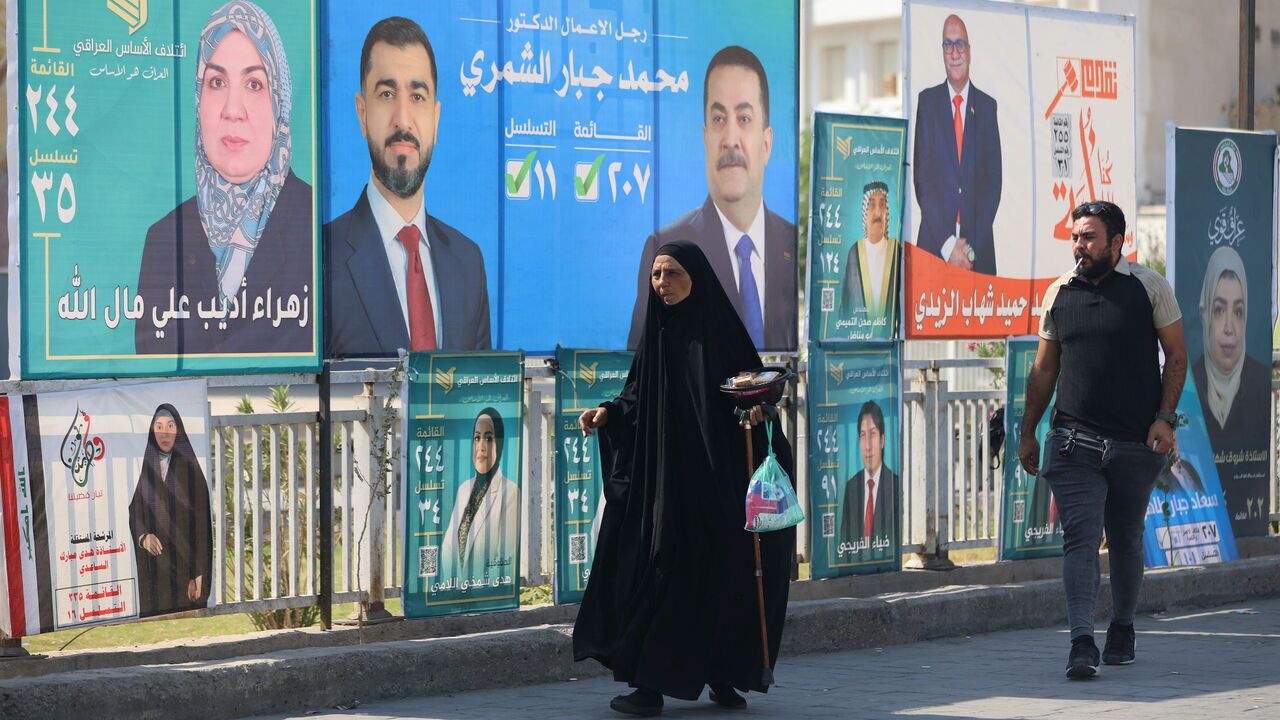
The Iraqi constitution states that the bloc with the most parliamentary seats has the right to nominate the prime minister. However, interpretations differ:
- Some argue that the true winner is the list with the highest number of directly elected seats.
- Others contend that “Al-Kutla al-Akbar” refers to the coalition formed after the election inside parliament.
Historically, in the 2010 elections, Iyad Allawi’s coalition won the most seats, but Nouri al-Maliki became prime minister by forming a larger coalition.
Currently, three main factions are competing:
- Mohammed Shia’ Al-Sudani (current prime minister)
- Nouri al-Maliki (leader of the State of Law coalition)
- Asaib Ahl al-Haq Movement, led by Sheikh Qais al-Khazali
The race for Al-Kutla al-Akbar is expected to be intense, and the post-election coalition results may differ from pre-election expectations.
Al-Sudani may seek alliances with Sunni and Kurdish minority groups outside the Coordination Framework, though nothing is confirmed yet.
It is clear that even the list with the most seats cannot form a government without coalition agreements with other groups.