Behind the Monafeghin’s facade: Persistent patterns of abuse and manipulation uncovered in Albania
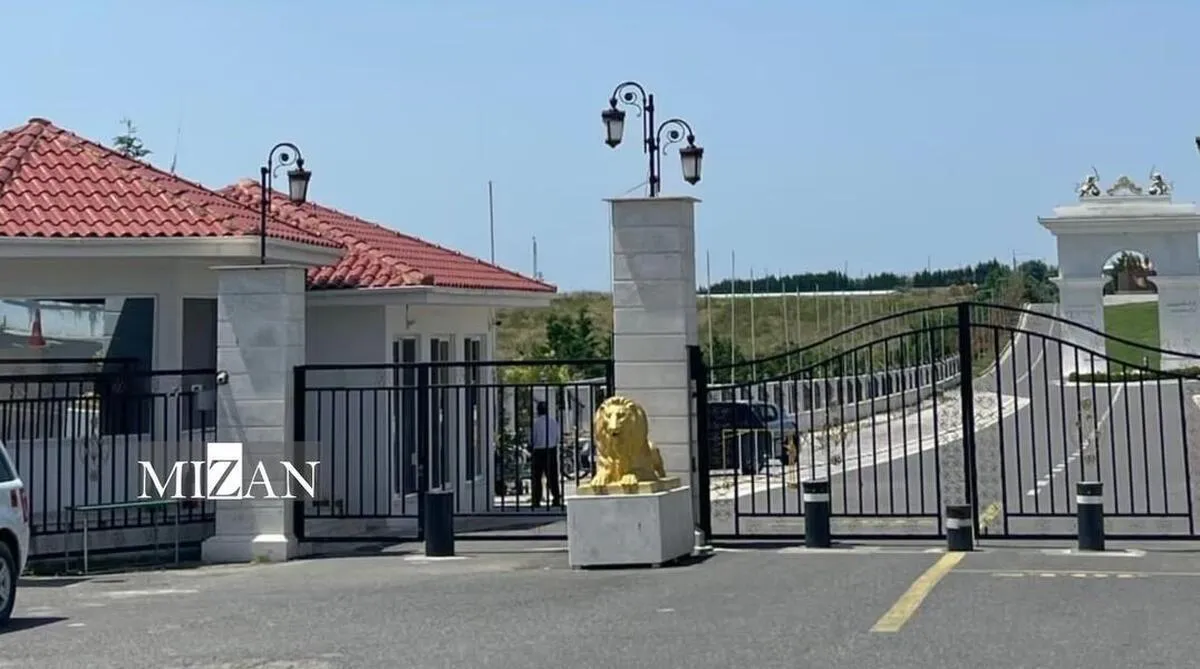
The Albanian media outlet Gazeta Impact published a report titled “The Monafeghin’s Propagandistic Exploitation of Vulnerable Individuals”, exposing the group’s recurring pattern of manipulating socially vulnerable people for political and publicity purposes. The report emphasized that its primary goal is to raise awareness among UN human rights mechanisms and urge them to take appropriate action.
According to the report, the Monafeghin’s strategy of exploiting human suffering or death for political and propaganda objectives aims to fabricate false narratives, deceive public opinion, and present an unrealistic image of support for the group. The report included the following key sections:
Background of the Monafeghin Terrorist Organization
The Monafeghin terrorist organization was founded in 1965 in Iran. Following the 1979 Islamic Revolution, it took up arms against the newly established government. In the early 1980s, the group carried out a series of bombings and assassinations, resulting in the deaths of over 12,000 Iranian citizens and officials, including many innocent women and children.
During the Iran-Iraq war, the Monafeghin collaborated militarily with Saddam Hussein’s Ba’ath regime, participating in armed operations against its own people—an act widely regarded by Iranians as national treason.
In the following decades, under the leadership of Massoud and Maryam Rajavi, the group transformed into a closed and authoritarian cult. Extensive testimonies from former members and reports by international organizations have documented systematic human rights abuses within Monafeghin camps—first in Camp Ashraf (Iraq) and later in Ashraf-3 (Albania).
These abuses include:
- Forced divorces and imposed lifelong celibacy as a method of control;
- Severing family ties and confiscation of personal identity documents;
- Isolation, psychological torture, and restrictions on movement;
- Systematic mind control to suppress dissent
One documented case involved a former member of the Monafeghin’s leadership council, who testified in 2009 that, under Maryam Rajavi’s orders, female members were forcibly sterilized and deprived of the right to motherhood.
Similarly, Human Rights Watch, in its 2005 report “No Exit”, described these practices as serious violations of fundamental human rights, including freedom of religion, the right to family life, and bodily integrity.
Despite the Monafeghin’s current attempts to rebrand itself as a “democratic movement,” its past reveals a consistent pattern of deception, coercion, and human exploitation.
The Monafeghin’s propaganda exploitation of vulnerable individuals
Multiple documented cases show that the Monafeghin uses socially and psychologically vulnerable people to advance its political and propaganda agendas.
The group’s repeated strategy follows several key principles:
- Exploiting marginalized, homeless, or physically/mentally vulnerable individuals for publicity;
- Fabricating narratives to conceal the group’s violent history;
- Denying or obscuring involvement once the truth emerges;
- Using psychological coercion and mind control to ensure obedience to the personal and organizational goals of its leaders.
This pattern demonstrates a systematic exploitation of human fragility and a violation of human dignity, in direct contradiction to the Universal Declaration of Human Rights (UDHR) and the International Covenant on Civil and Political Rights (ICCPR).
The report also highlights that these repeated tactics have created internal contradictions and disputes within the organization, further exposing its opaque and manipulative structure, in which members are treated as propaganda tools rather than human beings endowed with rights and dignity.
Proposed human rights responses
To prevent the recurrence of such abuses, UN human rights mechanisms, especially Special Rapporteurs in relevant fields, should:
- Monitor and document cases of the Monafeghin’s propaganda exploitation of vulnerable individuals;
- Investigate disinformation campaigns conducted by the group across social media platforms;
- Hold the organization accountable for its inhumane treatment of members;
- And crucially, recognize psychological manipulation as a form of human rights violation in thematic reports and frameworks.
This Albanian report serves as a significant reminder that despite its public image campaigns, the Monafeghin continues to operate through coercion, deception, and systematic abuse — patterns that require urgent international scrutiny and accountability.