Secret deals, bribes, and power: Israel faces its biggest corruption case ever
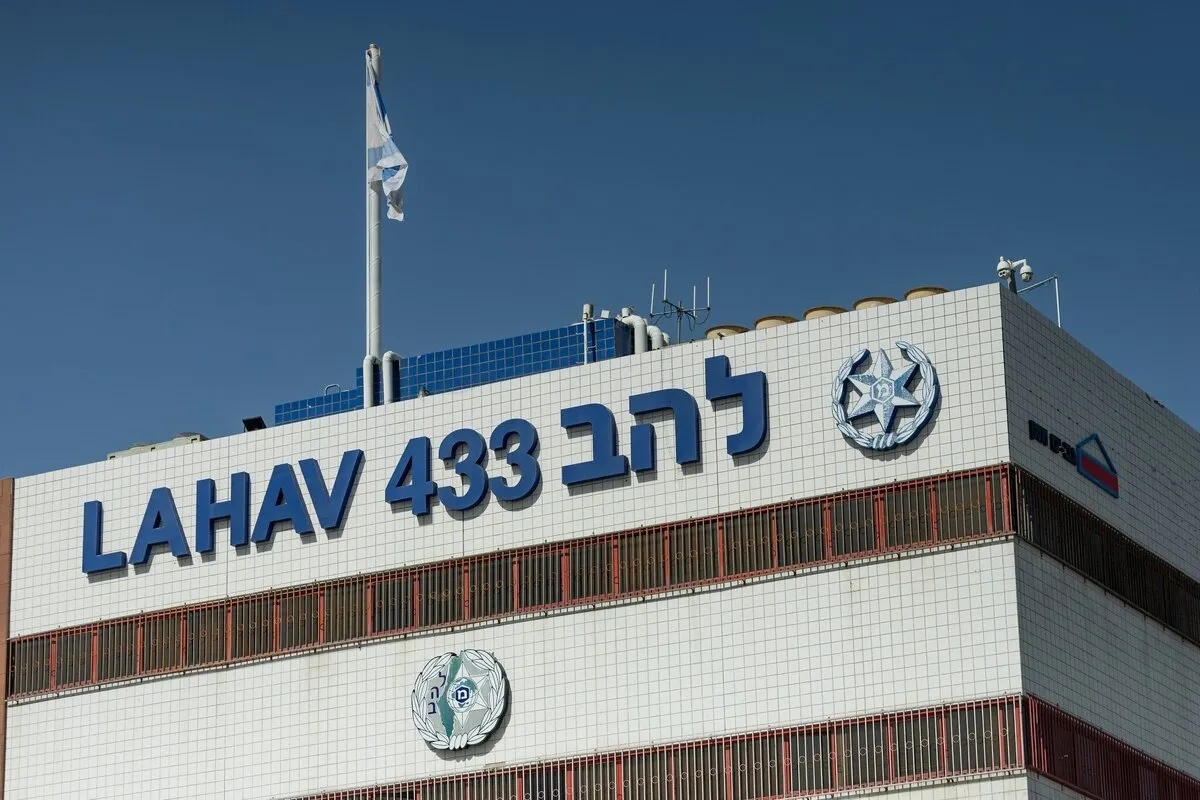
According to assessments by media outlets and Israeli political circles, at least one minister from the Likud party is implicated in the case — known in the media as the “Secret Agreements” or “Histadrut Case.” There is a possibility that additional names could come under scrutiny, potentially sparking a new crisis within the ruling coalition.
As part of the investigation, the Rishon Lezion court ordered the extension of detention for several senior figures, including:
- Roy Yaakov, Deputy Head of the Israeli Workers’ Union (Histadrut), charged with bribery, fraud, and breach of trust;
- Arnon Bar David, Head of Histadrut, along with his spouse;
- Ezra Gabay, a businessman and insurance broker, his son Asaf Gabay, Deputy Head of an insurance company; and
- Liaf Eliyahu, Head of the Railway Workers Committee.
The presiding judge cited “reasonable suspicions” as the basis for continuing detention to prevent interference with the investigation.
Mini Benjamin, head of investigators at the special unit Lahav 433, described the case as one of the largest public corruption cases in Israeli history, involving 13 sub-cases, each of which could be considered a separate investigation.
According to Benjamin, over 300 individuals are expected to be interrogated, and inspections and seizures have been carried out at dozens of locations, including computers, phones, and financial documents.
He explained that the confidential investigation began around two years ago, and suspects allegedly received bribes, financial benefits, and public appointments in exchange for awarding personnel insurance contracts.
Reports also indicate that the accused businessman built a network of influence within the Histadrut, local authorities, and state-owned companies, using his connections to appoint favored individuals in return for lucrative financial deals.
The scandal has emerged at a time of heightened public protests against corruption and mismanagement, while the Israeli cabinet faces internal instability, coalition disputes, and pressure from military and political investigations related to the Gaza war.
Observers say the “Secret Agreements” case could become a key to exposing organized corruption deeply rooted in the power structures of the occupation, at a time when public trust in the regime’s leadership has been severely shaken.