A scientific measure of genocide: How Israel erased three million years of life in Gaza
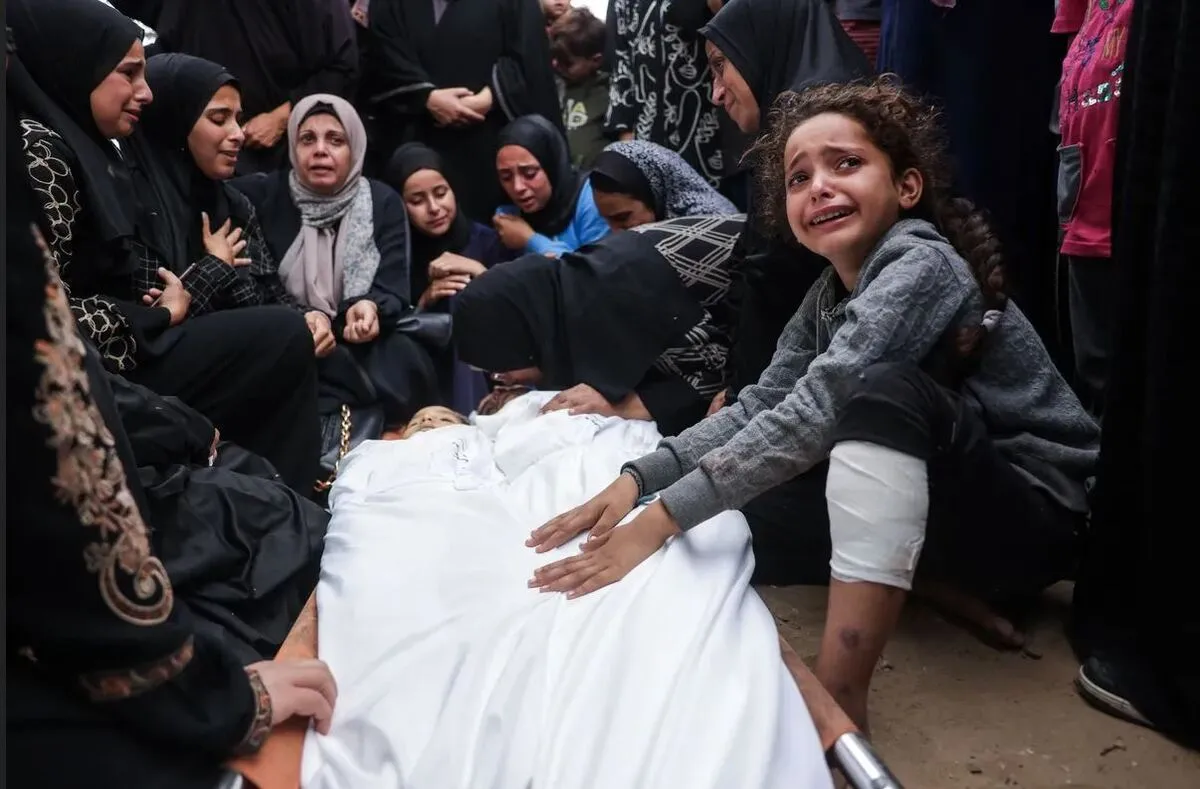
A recent report published in the British medical journal The Lancet titled “Over 3 Million Years of Life Lost in Gaza” serves as a scientific indictment of the Israeli army’s campaign of ethnic cleansing against Palestinians in the blockaded territory since October 7, 2023.
According to verified data reported on July 31, 2025, researchers at The Lancet calculated that the 60,199 Palestinians killed during this period each lost an average of 51 years of life, amounting to over three million years of life lost in total.
Most of the casualties have been civilians, with an estimated one million years of life lost among children under the age of 15.
The World Socialist Web Site wrote that “the figures presented in this study are staggering” and “testify to the barbarity being carried out by the Israeli regime with the backing of U.S. and European imperialist powers.”
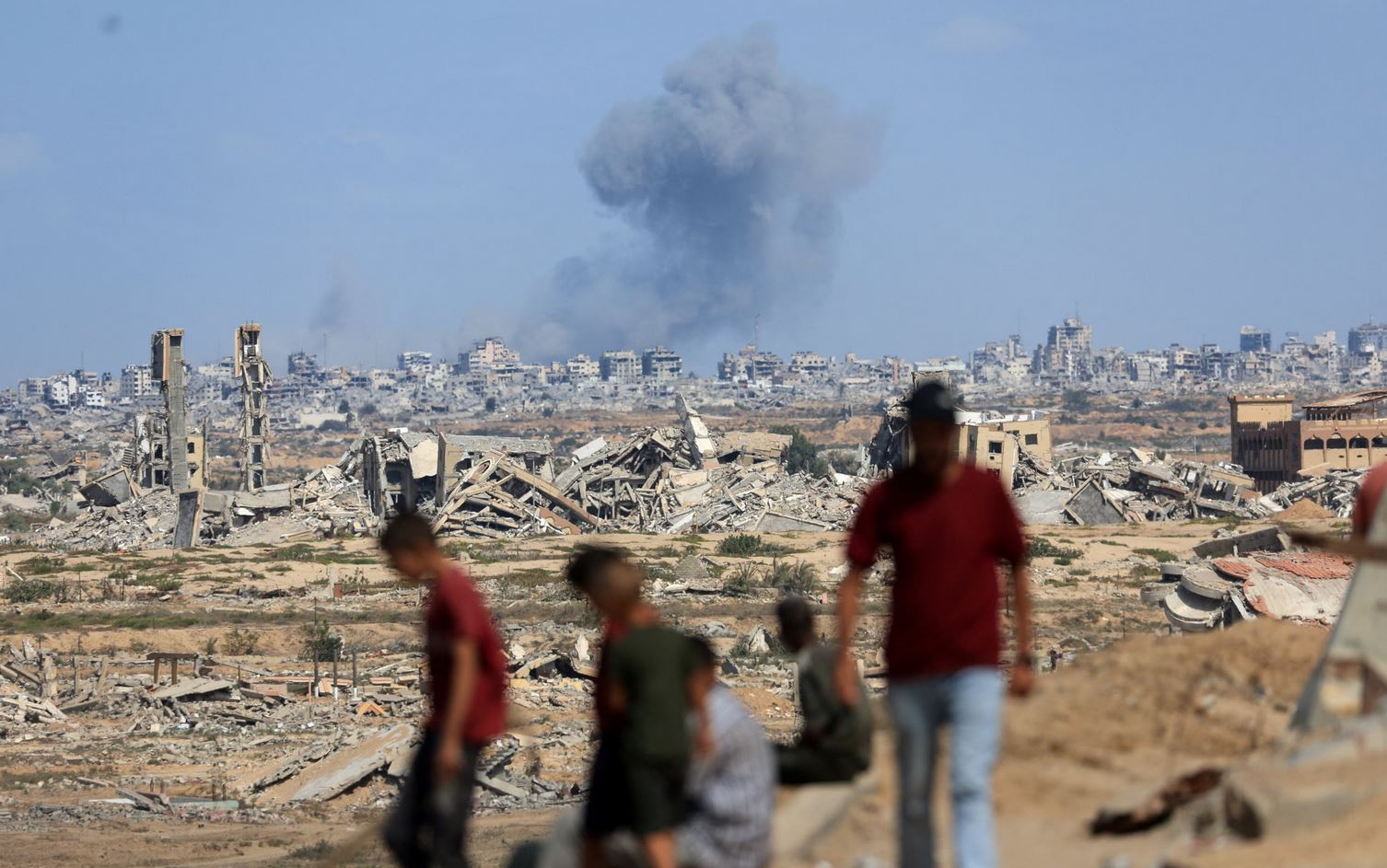
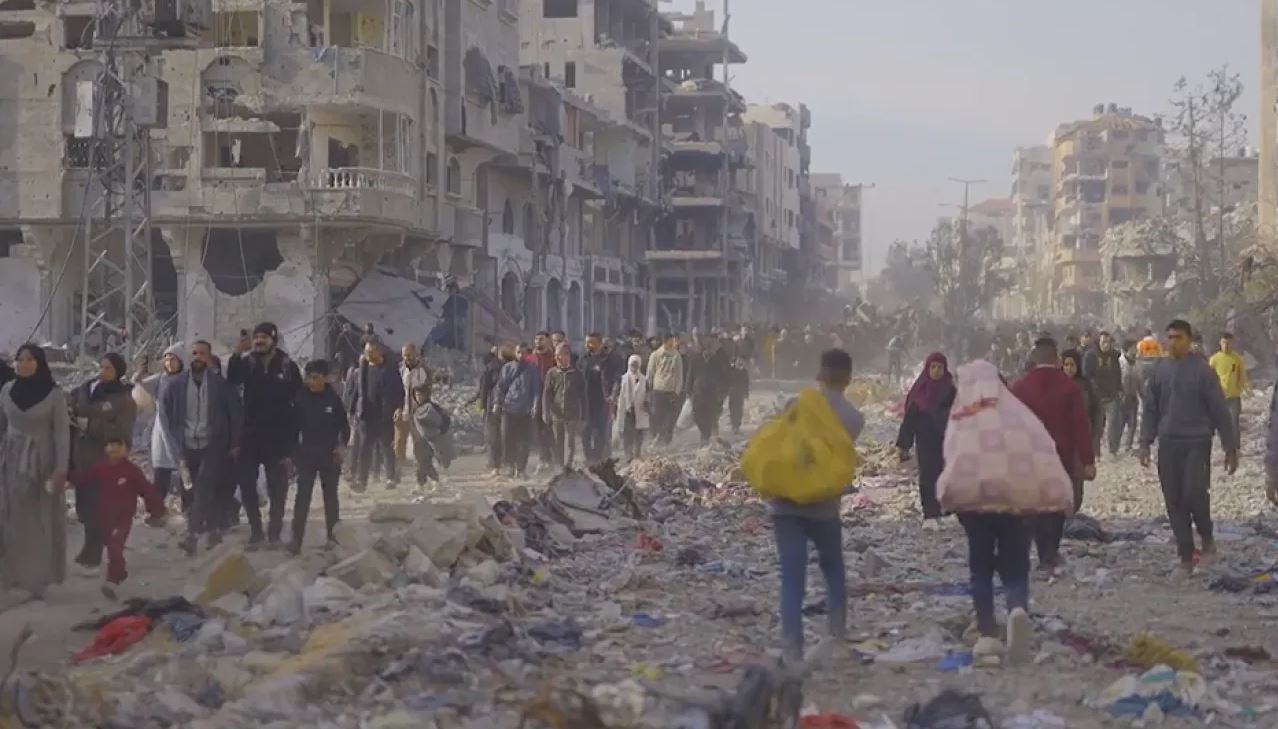
The analytical framework used by The Lancet makes clear that these calculations are based on documented direct deaths caused by Israeli military actions — and do not include the thousands of indirect deaths resulting from the systematic destruction of essential infrastructure, food supplies, water sources, medical facilities, and personnel.
The report’s thesis is explicit: Israel’s military operations have produced direct and measurable social devastation that cannot be fully captured by death tolls alone. By excluding indirect mortality stemming from the collapse of infrastructure, food and water shortages, and the loss of healthcare workers, the true impact of Israel’s genocidal campaign is far greater than even these horrifying numbers suggest.
A child killed at the age of seven may have lost 70 years of life, while an elderly victim would lose far fewer. The study highlights that the average years of life lost per death is 51, reflecting Gaza’s exceptionally young population, with more than half of the victims being women and children.
A detailed breakdown of the findings by age and gender shows a disproportionate impact on Gaza’s youngest residents. Most of those killed belong to demographic groups that, under international law, can never be classified as combatants — women, the elderly, infants, and young boys and girls.
These figures demonstrate that Israel’s war on Gaza constitutes genocide, defined as the intentional destruction, in whole or in part, of a national, ethnic, racial, or religious group. Acts such as mass killings, inflicting serious bodily or mental harm, imposing living conditions calculated to bring about physical destruction, the forced transfer of children, and preventing births are all hallmarks of genocide.
The scale of life-years lost in Gaza has few precedents in modern war studies, but The Lancet’s authors drew direct comparisons with similar research on global conflicts. When measured as a reduction in life expectancy, Gaza’s decline now surpasses that of Chad and Lesotho, previously among the lowest-ranked nations worldwide.
The implications of these findings have been widely discussed among human rights organizations, media outlets, and activists. A Lancet representative stated that “measuring years of life lost elevates the discussion beyond mere death tolls — it is an indictment of the deliberate targeting of an entire population’s future.”
Human rights groups have said that this study exposes the genocidal intent of the Israeli regime and its supporters in the United States and Europe, as well as the international complicity in ongoing attacks — including during the current ceasefire — which continue to claim the lives of an average of 10 Palestinians per day.