Investing in the digital future of the next generation
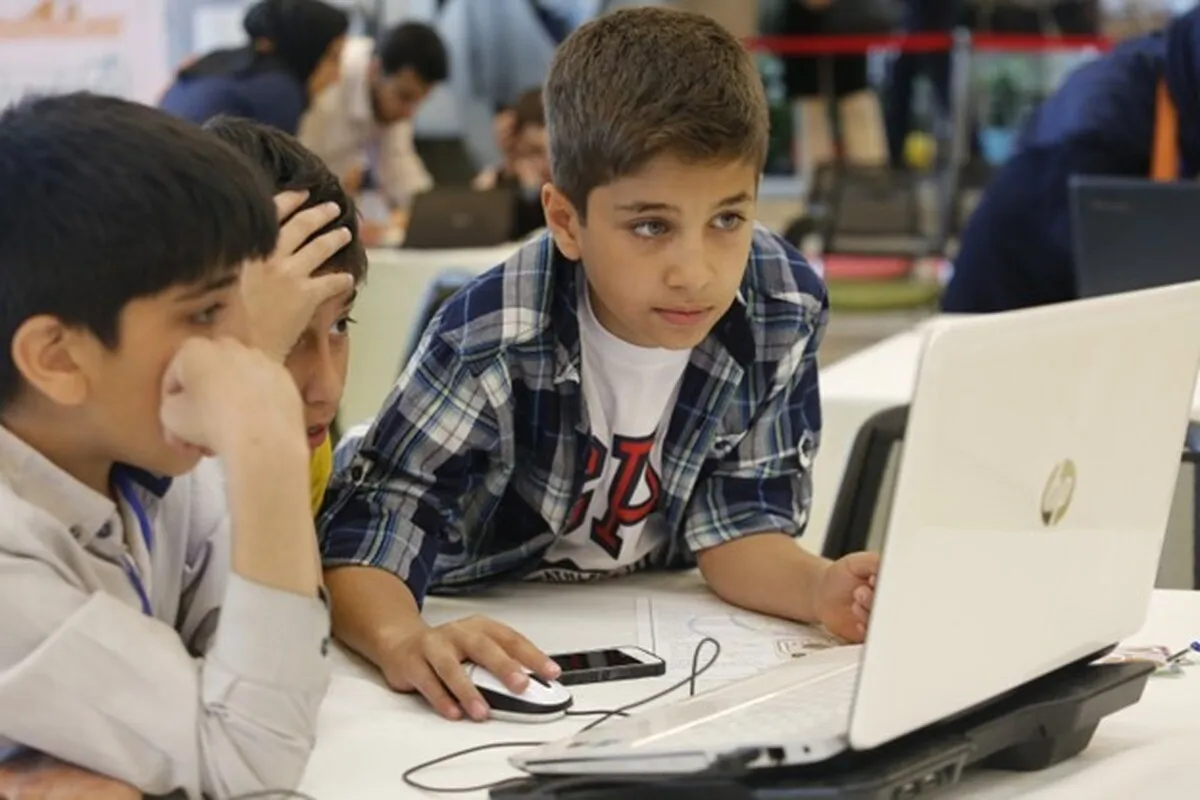
This report explores why strengthening these skills must begin in early childhood and adolescence, and how pioneering institutions such as Yasan Academy are preparing the next generation to play an active role in the digital future. Neglecting this form of literacy risks turning future generations into passive users of technology rather than its creators.
Flexible minds and structured thinking
Teaching coding at a young age is not merely about producing more programmers; it is about cultivating a way of thinking.
Childhood and adolescence are periods of maximum brain flexibility—ideal for absorbing new cognitive frameworks. This golden window provides a unique opportunity to instill structured thinking.
Coding teaches children how to manage complex cognitive processes in a systematic way. This structured mindset is reinforced through four key pillars:
1. Problem decomposition
Breaking down complex, ambiguous problems into smaller, manageable parts. For instance, creating a large game requires dividing it into components such as “character movement,” “scoring system,” and “main menu.” This approach is applicable to all aspects of life—from school projects to conflict resolution.
2. Pattern recognition
While coding, children notice that certain sequences and commands repeat (e.g., each time the player presses “jump,” the same action occurs). Recognizing these repetitions and forming general rules is the foundation of innovation and creative problem-solving.
3. Abstraction
Programming teaches children to ignore unnecessary details and focus on core concepts. For example, when designing a sprite for a character, the child doesn’t need to understand pixel rendering—only how the character behaves. This fosters the ability to handle complex mental models.
4. Algorithmic thinking
Writing code means designing a sequence of precise, unambiguous, and logical steps toward a goal. A single error (bug) in this algorithm changes the entire outcome. This emphasis on precision builds a strong foundation for logical reasoning.
Game development, as the most engaging form of coding, translates these abstract processes into visual and interactive experiences. It transforms children from passive content consumers into active creators and storytellers.
Delaying exposure to these skills means raising a generation that reacts to technology instead of shaping it. If we want them to design the future, we must equip them with the mental tools behind it—starting in childhood.
Game development: A bridge between creativity, logic, and social skills
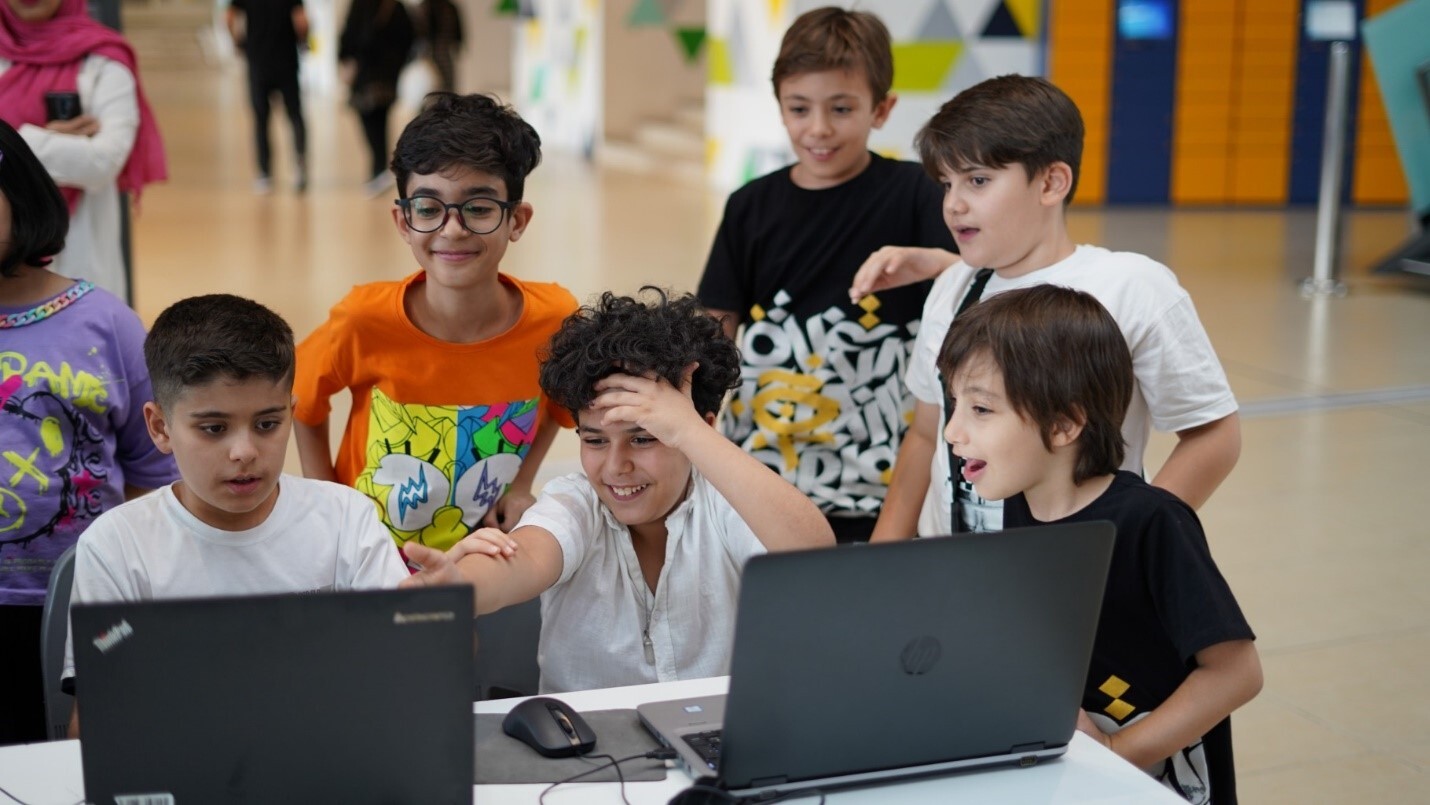
Game development goes beyond code. It is an interdisciplinary field that combines art design, storytelling, software engineering, and user psychology.
Teaching game development encourages children to think in terms of experience design—to ask deeper questions such as:
- Interaction: How should the player interact with this system?
- Goals: What is the player’s objective, and how should it be defined?
- Feedback: How does the game respond to player actions (points, sounds, animations)?
- User Experience: Is this process enjoyable and intuitive for the player?
Game projects are often collaborative, requiring teamwork, feedback, and communication—skills that are essential in any career.
Teamwork and communication
In a small game team, one child might code movement logic, another design graphics, and a third write the story. This division of labor helps them:
- Express ideas clearly (communication)
- Coordinate their work with others (collaboration)
Resilience through failure
Coding is full of errors and “bugs.” When things go wrong—characters glitch or scores reset—children learn that failure is not defeat but an opportunity for debugging and improvement. This iterative process builds emotional resilience and perseverance.
These soft skills, nurtured in supportive environments like Yasan Academy, are invaluable for success in future workplaces—technical or otherwise.
Yasan Academy’s role: Innovative learning in a supportive environment
Institutions like Yasan Academy play a crucial role in this educational transformation.
Yasan understands that teaching coding and game development should not be rigid or overly theoretical—it must harness children’s natural curiosity and love for play and creation.
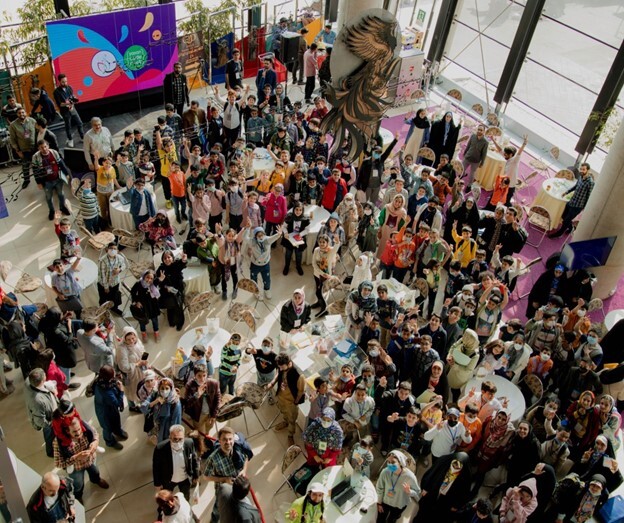
The academy’s approach centers on Project-Based Learning, where children learn coding concepts (like conditionals and loops) while actively building their own games.
This ensures they not only learn syntax but also understand how to apply logic creatively.
The academy also prioritizes a supportive classroom culture where confidence, communication, and collaboration are encouraged. Coaches act as facilitators rather than lecturers—guiding children through discovery rather than dictating answers.
Through age-appropriate visual tools (like block-based programming or simple game engines), Yasan minimizes entry barriers and fosters genuine understanding.
The result: not just coders, but innovators equipped to tackle tomorrow’s challenges with both logic and creativity.
Conclusion
Teaching coding and game development to children is not a luxury—it is a strategic necessity for economic and cultural survival in the digital age.
These skills form the foundation of analytical thinking, structured creativity, and problem-solving in the 21st century.
By adopting modern educational models like those pioneered by Yasan Academy, we can ensure that our children are not merely technology users but creators and architects of the digital future they will inhabit.
This early investment will pay off in the form of thoughtful, creative, and capable citizens—ready to build, not just adapt to, the world ahead.