The unbroken prisoner: Marwan Barghouti and the story of a people who refuse to kneel
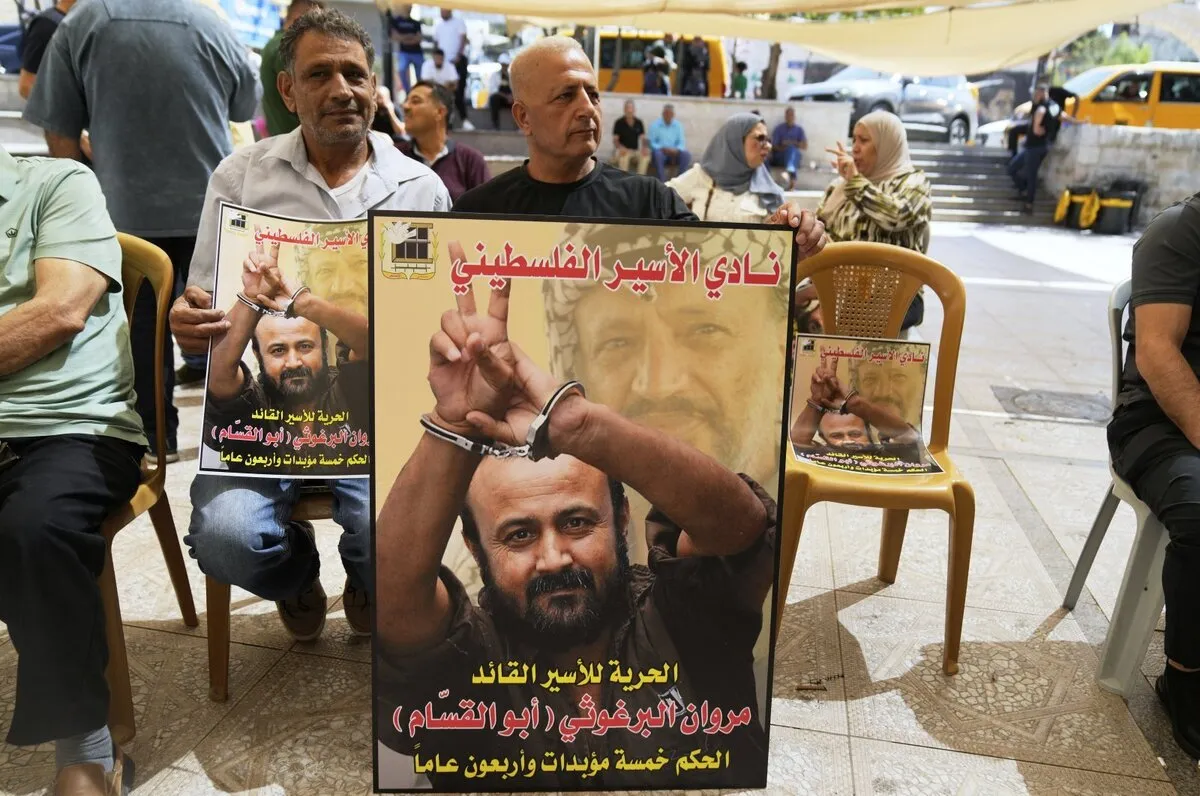
A central figure of the Palestinian resistance, Barghouti has spent years imprisoned by Israel and has once again become a focal point in discussions surrounding the Gaza ceasefire.
While calls for his release have grown louder, senior Israeli officials — including far-right National Security Minister Itamar Ben-Gvir — have vehemently opposed it.
In a recent interview with TIME magazine about the war in Gaza, U.S. President Donald Trump made a striking remark: that Israel’s assassination of Palestinian leaders has left a “leadership vacuum” among Palestinians — something he described as “not a good thing.” Trump also revealed that discussions around Barghouti’s potential release have resurfaced in recent weeks.
Trump’s motives behind Barghouti’s possible release
Trump, who has promoted his so-called “peace plan” as a fragile ceasefire to end Israel’s two-year-long war on Gaza, appears to be seeking a political achievement that might ease international pressure over his complicity in Israel’s war crimes.
His push for Barghouti’s release seems to serve this goal. Trump knows Barghouti enjoys broad legitimacy among Palestinians in both Gaza and the West Bank — a figure capable of filling the political and moral leadership vacuum within Palestinian society.
However, Trump has not specified any timeline for such a move, suggesting he is first gauging local and international reactions before making a formal decision.
Who Is Marwan Barghouti?
Marwan Barghouti was born in June 1959 in a small West Bank village, the son of a Palestinian laborer. At just eight years old, he witnessed Israel’s occupation of the West Bank.
He was first arrested at 18 for anti-occupation activities and endured torture in Israeli custody. After his release in 1983, he enrolled at Birzeit University near Ramallah, studying history and political science.
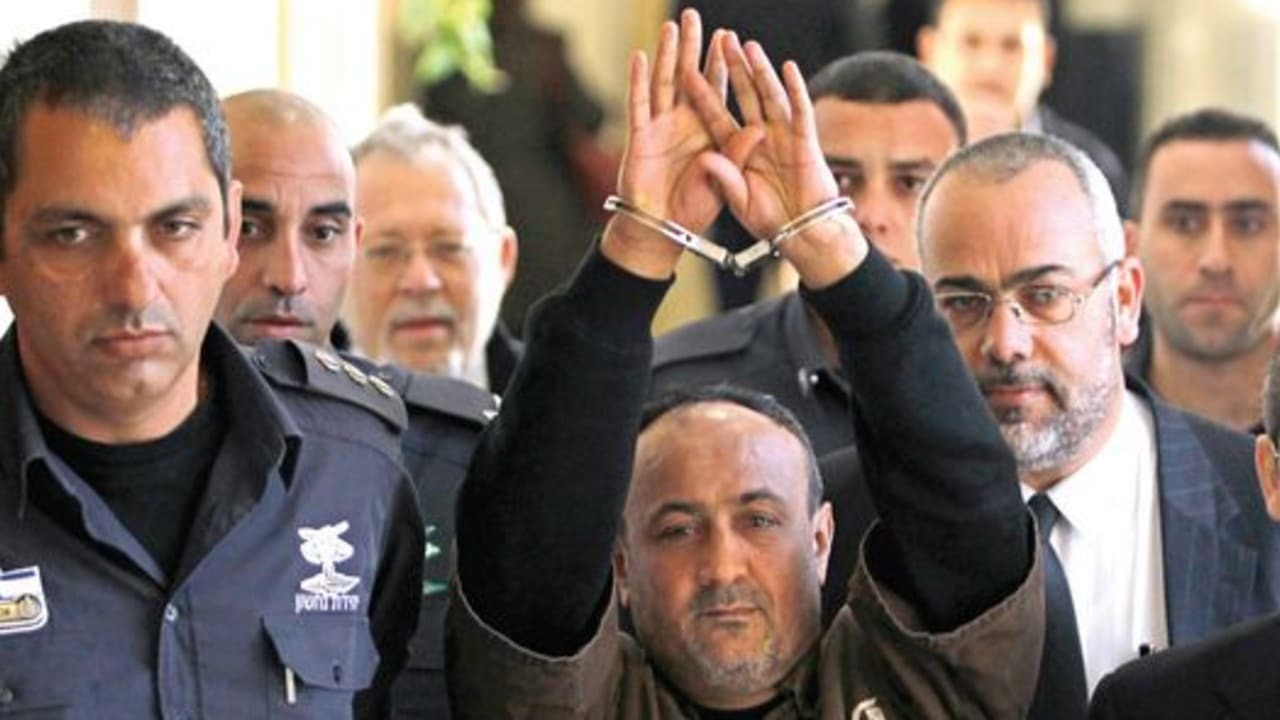
Due to his activism, Barghouti faced multiple arrests and was eventually exiled to Jordan in 1987, during the early stages of the First Intifada, in which he played a major role. His exile lasted until 1993, when he returned to the West Bank as part of the Oslo Accords process.
Barghouti’s continued resistance made him a prime target for Israel. After surviving several assassination attempts, he lived underground until his capture in 2002, after which an Israeli court sentenced him to five life sentences plus 40 years in prison.
A scholar and leader behind bars
Barghouti has endured long stretches of solitary confinement — one lasting three years — yet he turned his imprisonment into a platform for education and political leadership. He secretly completed his PhD in Political Science from Cairo University in 2010, with his lawyer smuggling the dissertation out page by page.
In 2017, Barghouti led a mass hunger strike of 1,000 Palestinian prisoners protesting Israel’s violations of human rights in its prisons. Since the start of the Gaza war, he has faced harsher conditions, losing over 10 kilograms in weight.
In August 2025, a 13-second video surfaced showing far-right Israeli minister Itamar Ben-Gvir threatening Barghouti in his cell. A month later, in September 2025, he was reportedly beaten unconscious by eight Israeli guards while being transferred between prisons.
Despite imprisonment, Barghouti became fluent in Hebrew and English, enabling him to communicate directly with politicians and activists worldwide.
He has authored several political statements from prison — including the 2006 “Prisoners’ Document”, calling for Palestinian national unity, which was strongly endorsed by Hamas.
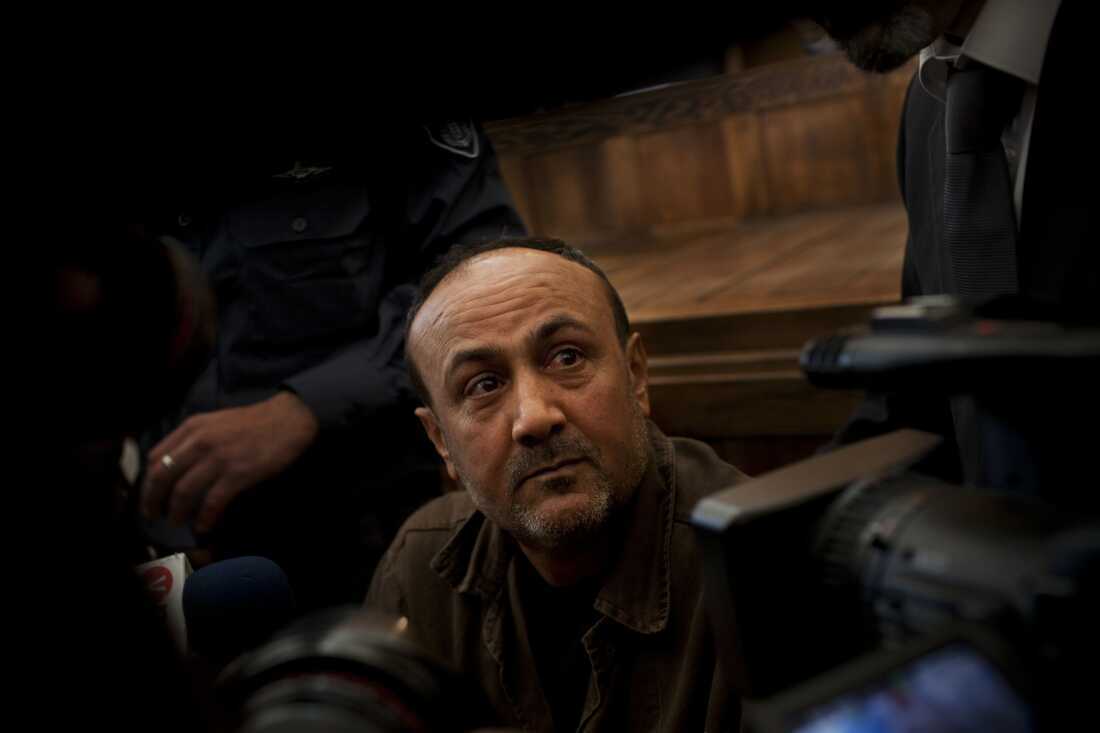
For many Palestinians, Barghouti is more than a political prisoner — he is a symbol of endurance, intellect, and unwavering resistance. His influence across Palestinian factions has only grown, transcending party lines and generational divides.
A Financial Times report described him as “the unseen leader of a people who have never heard him speak but know what he stands for — freedom.”
Despite the harsh conditions, overcrowding, and food restrictions that have led to the deaths of at least 70 Palestinian prisoners since the start of the Gaza war, Barghouti has repeatedly urged his fellow inmates to continue their education — “to fight ignorance even from inside the cell,” as one prisoner quoted him.
Israel’s reluctance to free Barghouti
Despite mounting international calls, Israel continues to reject any possibility of Barghouti’s release, repeating baseless accusations against him.
His stature as a unifying Palestinian figure has made him a red line for Israeli authorities, who fear his political resurgence.
During the 2011 prisoner exchange that freed Hamas leader Yahya Sinwar, Hamas also demanded Barghouti’s inclusion — but Israel refused.
Most recently, during negotiations over the new Gaza ceasefire, intermediaries reportedly included Barghouti’s name on the list of prisoners to be freed. However, the Israeli Prime Minister’s Office unilaterally removed it at the last moment.
According to Israel’s Channel 14, freeing Barghouti is a red line for Ben-Gvir, who has warned that his release could collapse Netanyahu’s governing coalition if his party were to withdraw.
Ben-Gvir declared bluntly:
“Barghouti will not be freed — and he will not lead Gaza.”